Ceramic Coating Installation in Hot Weather: Heat, Humidity, and Curing
Southwest Florida weather creates challenges for ceramic coating that have less to do with the coating itself and more to do with installation conditions. High temperatures can shorten working time, while heavy humidity can affect flashing, moisture control, and curing. For drivers in Naples, Marco Island, Fort Myers, and nearby communities, understanding these factors helps explain why professional installation conditions matter.
Ceramic coating installation in hot weather can be successful when installers control panel temperature, keep the vehicle out of direct sunlight, prepare the surface correctly, and follow the manufacturer’s application guidance. The goal is to create predictable conditions so the coating can level, bond, and cure evenly.
How Heat Affects Ceramic Coating During Application
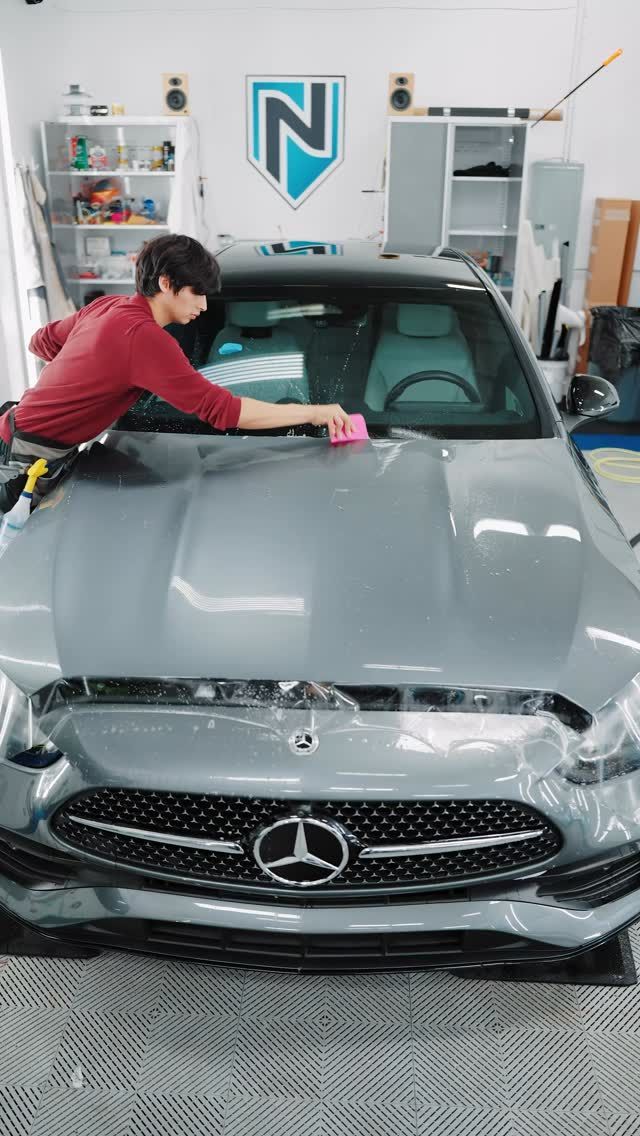
Ceramic coatings are applied as liquids. After the product is spread across a panel, carrier solvents begin to evaporate and the coating starts to “flash.” Flashing is the stage when the installer needs to level and remove excess product before it hardens.
Understanding how heat affects ceramic coating is important because hotter panels accelerate this process. When a surface is too warm, the coating may flash before the installer has enough time to spread and level it properly.
That can lead to:
- Visible streaking or uneven patches
- High spots where excess coating cures on the paint
- Inconsistent coverage across the panel
- More difficult leveling and removal
This is why ceramic coating in hot weather requires careful control rather than simply working faster.
Professional installers often work in smaller sections and adjust their process to actual conditions.
Why Ceramic Coating Application Temperature Matters
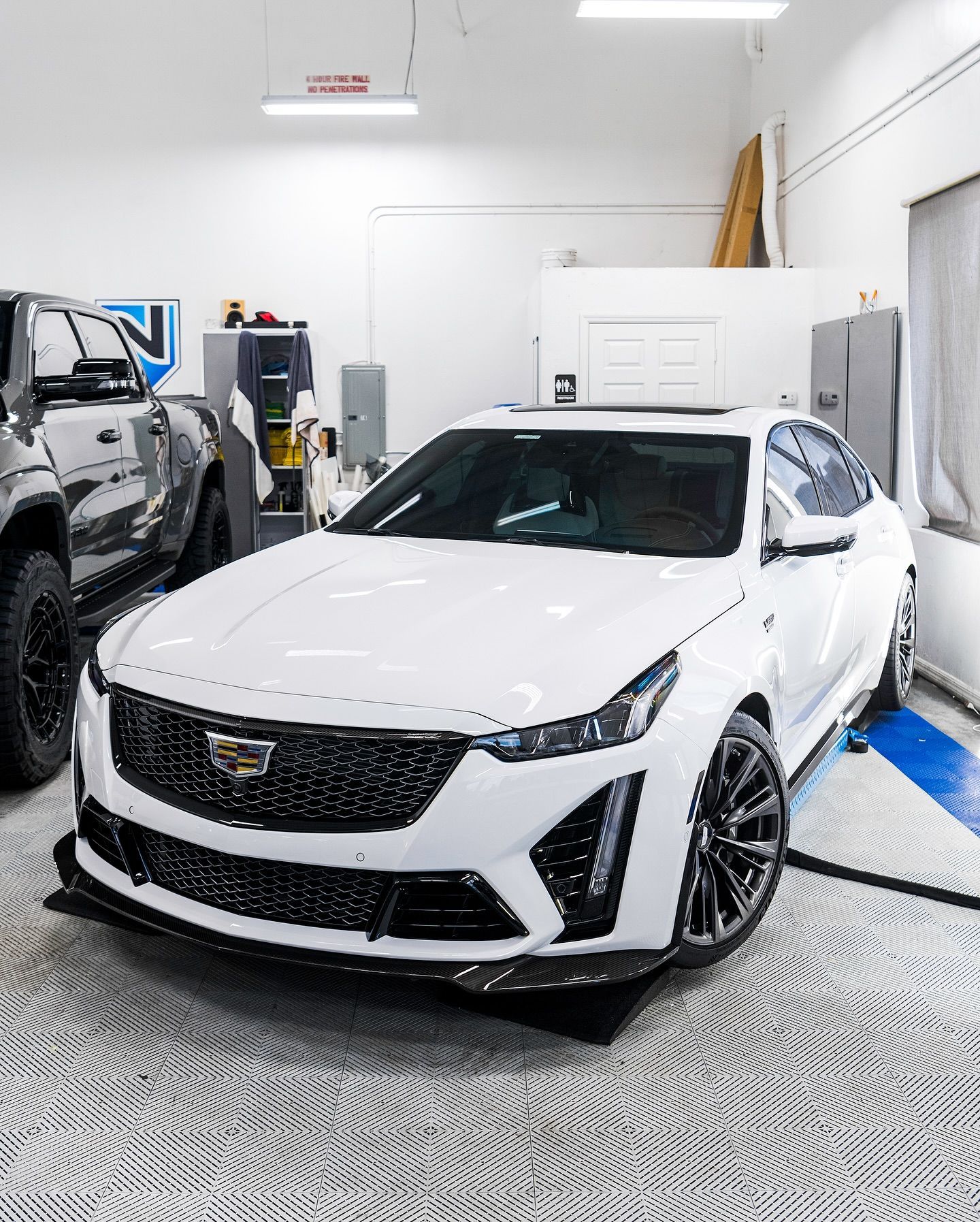
The outside air temperature does not tell the whole story. The actual temperature of the paint can be much higher, especially after the vehicle has been parked in direct Florida sun.
Ceramic coating application temperature matters because the coating reacts to the panel itself. A dark-colored hood or roof can become significantly hotter than the surrounding air and shorten the working window.
Professional installers keep vehicles out of direct sunlight and allow hot panels to cool before application. They also avoid moving a very cold vehicle directly into warm, humid air when condensation could form on the paint.
The safest approach is to follow the specific manufacturer’s temperature and humidity guidance for the coating being installed instead of relying on one universal number.
How Humidity Affects Ceramic Coating
Heat and humidity create different challenges. While heat usually speeds flashing, humidity can change how predictably the coating flashes and cures.
Knowing how humidity affects ceramic coating is especially important in Southwest Florida. Many coatings react with moisture during the curing process, so changes in humidity can influence how quickly the coating begins to set.
The larger concern is moisture on the paint itself. A thin layer of condensation may not always be obvious, but applying coating over damp paint can contribute to haze, uneven appearance, or poor bonding.
This is why ceramic coating in humid weather requires careful drying and inspection. Seams, trim edges, emblems, and panel gaps can hold moisture even when the main painted surface appears dry.
Ceramic Coating Surface Preparation Comes First
Environmental control cannot make up for poor preparation. Ceramic coating surface preparation is one of the most important parts of installation because the coating needs a clean, stable surface to bond properly.
Naples Auto Armour’s process includes detailed cleaning, multi-stage decontamination, clay treatment where needed, paint correction, coating application, and final inspection. These steps help remove dirt, bonded contamination, and surface defects before the coating is applied.
A coating does not hide paint defects. If visible imperfections are present, correcting them before application helps create a cleaner finish before protection is installed. Careful preparation also gives the installer an opportunity to confirm that the paint is completely dry.
How Professionals Manage Heat and Humidity
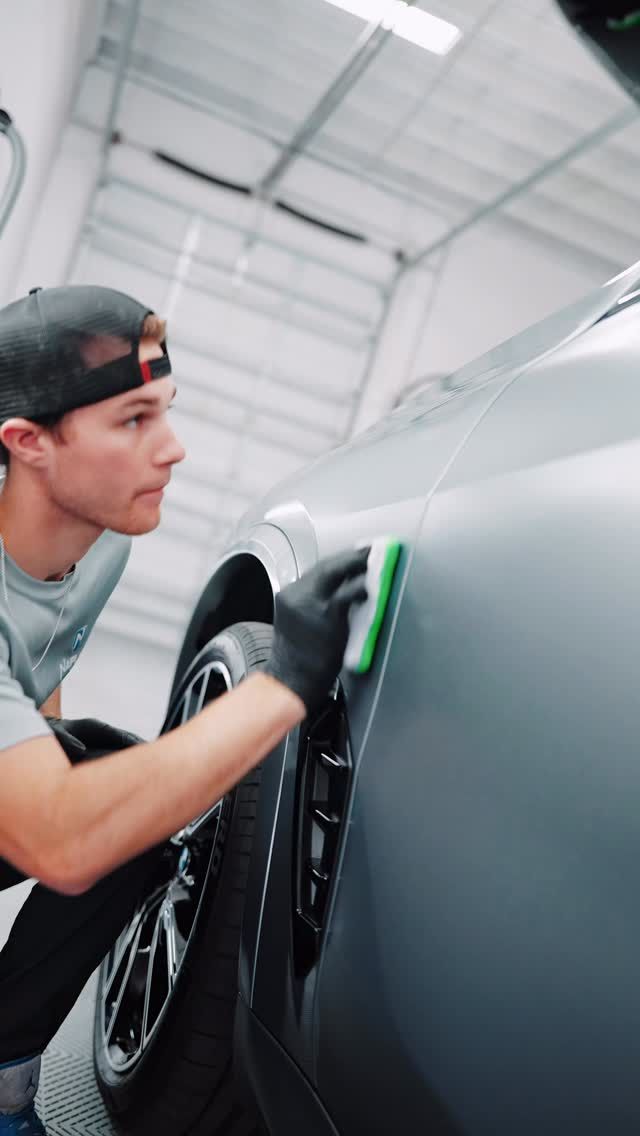
Professional ceramic coating installation is built around controlling variables that can affect the final result. In Southwest Florida, that usually includes:
- Keeping the vehicle out of direct sun
- Allowing hot panels to cool before application
- Making sure paint, seams, and edges are completely dry
- Working in smaller sections when flash times are faster
- Using strong inspection lighting to identify high spots
- Following product-specific installation instructions
These practices help reduce the risk of haze, streaks, or cured high spots.
Naples Auto Armour also uses infrared curing for its wheel and caliper coating process. This is a specialized step for those components and should not be confused with the normal curing process for every coated exterior panel.
Why DIY Ceramic Coating Is More Difficult in Florida
DIY ceramic coating products can look straightforward, but Florida conditions make application less forgiving.
A driveway can heat one side of the vehicle much faster than the other. A garage without climate control may still have high humidity, and ordinary lighting can make high spots difficult to see. If coating cures unevenly, correcting the finish may require polishing before the affected section can be reapplied.
Surface preparation is another challenge. Skipping proper decontamination or correction can leave contamination and visible defects beneath the coating.
Professional application provides controlled preparation, product-specific installation methods, detailed inspection, and guidance for the curing period.
Ceramic Coating Curing After Installation
Ceramic coating curing continues after application. During this period, the coating needs time to harden and develop its intended performance.
Follow the installer’s cure-time instructions for the coating used on your vehicle. Avoid unnecessary exposure to rain, sprinklers, washing, or other moisture during the period your installer recommends.
After the initial cure period:
- Wash with a pH-neutral automotive shampoo
- Use clean microfiber wash media
- Remove bird droppings, bugs, and tree sap promptly
- Avoid automatic car washes with brushes
- Watch for changes in gloss or water behavior
Reduced water beading does not automatically mean the coating has failed. Contamination on top of the coating can affect its behavior, and proper decontamination may restore performance.
Ceramic Coating Care in Southwest Florida
Strong sun, heat, humidity, rain, insects, and environmental contamination continue to affect a vehicle after installation. Regular washing helps prevent contaminants from sitting on the surface long enough to become difficult to remove.
Parking in a garage or shaded area when practical can also limit prolonged exposure. For Naples, Marco Island, and Fort Myers drivers, the key takeaway is that coating performance begins before application. Preparation, panel temperature, humidity management, application technique, and curing all work together.
Get Better Results From Ceramic Coating Installation in Hot Weather
Ceramic coating installation in hot weather is not about avoiding Florida’s climate. It is about managing the conditions that affect application and curing.
Naples Auto Armour prepares and installs ceramic coatings with attention to surface condition, panel temperature, humidity, flash time, and final inspection. The team uses XPEL FUSION coating options, while detailed package information is best kept on the dedicated ceramic coating service page instead of duplicating service-page content here.
If you are considering ceramic coating for a vehicle in Naples, Marco Island, Fort Myers, or the surrounding Southwest Florida area,
talk with Naples Auto Armour about your vehicle and protection goals. Review the ceramic coating service page for current package details, coverage, warranty information, and pricing, then request an appointment when you are ready.
Naples Auto Armor Blog