How Window Tint Heat Rejection Works Without Being Extremely Dark
Many drivers assume darker window tint automatically keeps a vehicle cooler. In Southwest Florida, where vehicles spend long hours in strong sun, that assumption is understandable. However, tint darkness and heat control are not the same thing. Modern window films can reduce solar heat while still allowing plenty of visible light through the glass.
The key is film technology. High-performance ceramic tint is designed to manage infrared energy and other parts of the solar spectrum more effectively than basic dyed film. This means drivers can often choose a lighter appearance without giving up the heat-control benefits they want.
For drivers in Naples, Marco Island, and Fort Myers, understanding how window tint heat rejection works makes it easier to choose a film based on performance, visibility, and comfort rather than darkness alone.
Why Darker Window Tint Does Not Always Mean Better Heat Rejection
Window tint darkness is mainly described by Visible Light Transmission, or VLT. VLT measures how much visible light passes through the combined glass and film. A higher VLT generally looks lighter, while a lower VLT looks darker.
Solar energy includes visible light, ultraviolet radiation, and infrared energy. Infrared energy contributes significantly to the heat you feel through automotive glass, but overall solar heat control depends on how the film manages the full solar spectrum.
This is why a dark, basic film may reduce glare without delivering the same heat performance as an advanced ceramic film. A light window tint with heat rejection can sometimes provide stronger comfort benefits than a darker, lower-performance film.
Factory privacy glass is a good example. Many SUVs and trucks have dark rear glass, but the darker appearance alone does not guarantee strong infrared heat rejection.
How Different Window Film Technologies Handle Heat
Not all window films are built the same way. The materials used in the film influence heat control, appearance, durability, and compatibility with electronic signals.
Dyed tint mainly reduces visible light and glare. It can create a darker appearance at a lower cost, but it generally does not provide the same infrared performance as premium ceramic options.
Metallized tint uses small metallic particles to reflect solar energy. It can provide useful heat control, but metal content may interfere with some radio, cellular, GPS, or other electronic signals.
Carbon film can provide improved heat control compared with basic dyed film without the signal concerns associated with metallized tint. Performance still varies by product.
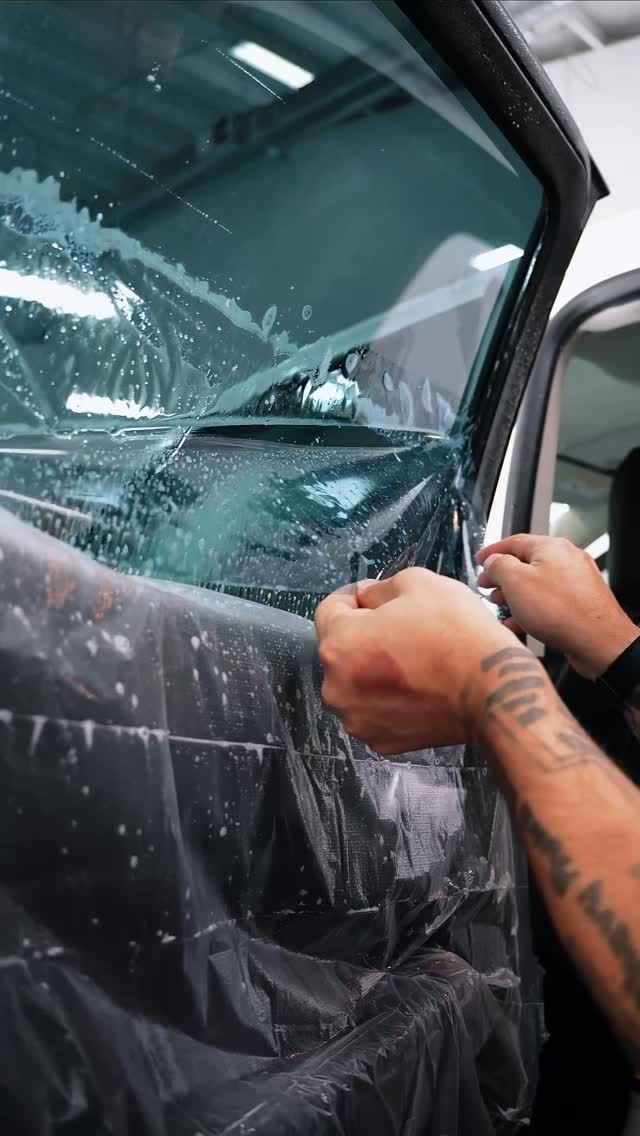
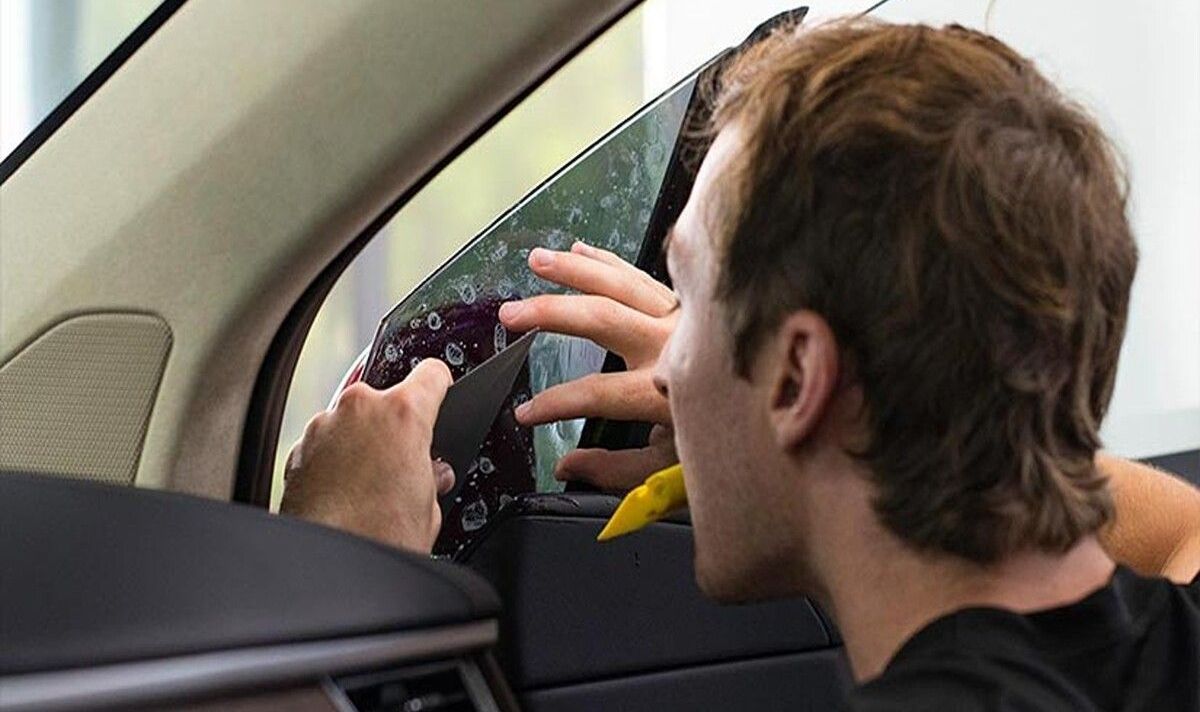
Ceramic film uses non-metallic ceramic technology to reduce solar heat without relying on an extremely dark shade. This is why ceramic tint for heat is popular with drivers who want both comfort and visibility.
For Naples Auto Armour customers focused on strong heat rejection, XPEL PRIME XR and XPEL PRIME XR PLUS are the main ceramic options to compare.
Understanding Window Tint VLT, Infrared Rejection, and TSER
Choosing window tint based only on shade can lead to the wrong decision. Three specifications provide a more useful picture of performance.
Window tint VLT tells you how much visible light passes through the glass and film. Higher VLT means more visible light reaches the cabin, while lower VLT produces a darker appearance.
Infrared rejection describes how effectively a film rejects infrared energy within the range measured by the manufacturer. It is useful when comparing infrared heat rejection window tint, but it should not be the only number considered.
TSER window tint performance refers to Total Solar Energy Rejected. TSER measures how much total solar energy the glass and film system rejects, giving a broader view of overall heat control.
Looking at VLT, infrared performance, and TSER together gives drivers a clearer comparison than shade alone. It also explains how ceramic window tint heat rejection can remain strong even when a lighter shade is selected.
Can Ceramic Tint Reject Heat Without Looking Very Dark?
Yes. That is one of the main advantages of modern ceramic film.
XPEL states that PRIME XR PLUS can reject up to 98% of infrared heat, while PRIME XR can reject up to 88%. Performance varies by film shade and the specific measurement used, so the specification for the exact film should be reviewed before making a decision.
The key point is that window tint heat rejection without dark tint is possible because performance is not determined by VLT alone. A lighter ceramic film can still provide meaningful solar control while maintaining better outward visibility than a very dark film.
This can be especially useful for drivers who frequently travel at night or simply prefer a lighter factory-style appearance.
Choosing a Shade That Fits Your Vehicle and Driving Habits
Once you understand the difference between darkness and heat performance, selecting a shade becomes easier. Night visibility, existing factory glass, privacy preferences, and driving habits should all be considered.
Many SUVs and trucks already have darker factory privacy glass in the rear. Front window film can be chosen to complement that appearance without assuming the same level of darkness is necessary for heat control.
Florida also regulates window tint based on window position, visible light transmission, reflectance, and vehicle type. Because legal compliance depends on the glass and film together, it is better to choose a shade with professional guidance rather than relying only on the number printed on a film sample.
Naples Auto Armour can help drivers compare suitable options based on the vehicle, existing glass, desired appearance, and intended use.
Benefits of Ceramic Window Tint Beyond Heat Control
Heat reduction is a major reason drivers choose ceramic film, but it is not the only benefit. Quality window film can reduce UV exposure, help slow fading and deterioration of interior materials, reduce harsh daytime glare, and improve overall cabin comfort.
Ceramic technology is non-metallic, which helps avoid the signal-interference concerns associated with some metallized films. A cooler cabin may also help the air-conditioning system bring the interior to a comfortable temperature more quickly after the vehicle has been parked in the sun.
Actual results vary based on the vehicle, glass area, interior materials, film selection, and outside conditions. That is another reason to compare film specifications instead of assuming every tint at the same darkness level will perform the same way.
Choose Window Film Based on Performance, Not Darkness Alone
The best tint is not necessarily the darkest tint. A better approach is to compare film technology, VLT, infrared rejection, TSER, legal requirements, and the way you use your vehicle.
For drivers in Naples, Marco Island, and Fort Myers who want a cooler cabin without an overly dark appearance, ceramic window tint can provide a practical balance of visibility and solar control. Naples Auto Armour offers XPEL window film options and can help you compare films and shades based on your vehicle and comfort goals.
Pricing varies by film series, vehicle type, and coverage area, so review the window tinting service page for current package information and starting prices.
Ready to compare your options?
Talk with Naples Auto Armour about ceramic window tint for heat rejection and choose a film that fits your vehicle, driving habits, and preferred level of visibility.
Naples Auto Armor Blog