Ceramic Coating Over PPF: The Correct Installation Order for Long Lasting Protection in Naples, FL
When it comes to protecting your vehicle’s paint in Southwest Florida, choosing premium products is only part of the equation. The order in which Paint Protection Film (PPF) and ceramic coating are installed plays a critical role in performance, durability, and appearance. Applying these products incorrectly can lead to bubbling, peeling, premature failure, and even voided warranties.
At Naples Auto Armour, we regularly educate vehicle owners in Naples, Marco Island, and Fort Myers on the correct way to layer PPF and ceramic coating. The rule is simple: PPF must be installed first on properly prepared paint, and ceramic coating is applied only after the film has cured.
Understanding why this sequence matters protects your investment and ensures your vehicle maintains its gloss, clarity, and protection for years.
Why Installation Order Matters
Paint Protection Film is engineered to bond directly to clean, bare paint or factory clear coat. The adhesive backing is designed to create a strong mechanical bond with the surface beneath it. If that bond is compromised, the film becomes vulnerable to lifting, bubbling, and edge failure.
Ceramic coating creates a slick, low surface energy barrier that repels water and contaminants. That hydrophobic property is excellent for maintenance, but it reduces the adhesive strength of PPF if applied beforehand. When PPF is installed over ceramic coating, the film cannot properly anchor to the paint. This significantly increases the risk of delamination and shortens the lifespan of the installation.
When installed correctly, the two products work together:
- PPF provides impact resistance against rock chips, scratches, and road debris.
- Ceramic coating enhances gloss, adds UV resistance, and improves water repellency.
- Proper layering extends the durability of both systems.
In Naples and surrounding coastal areas, strong UV exposure, salt air, and high humidity place additional stress on automotive finishes. Correct layering becomes even more important in these conditions.
The Ideal Installation Process
Professional installation is not simply about applying products. It is a structured process that ensures maximum performance.
Step 1: Thorough Surface Preparation
The foundation of a successful installation is meticulous surface preparation. The vehicle must be washed, decontaminated, and stripped of any waxes, sealants, or old coatings. Any contamination trapped beneath PPF creates a failure point.
At Naples Auto Armour, surface preparation includes chemical decontamination and an isopropyl alcohol wipe-down to ensure a completely clean substrate before film application.
Step 2: Paint Correction
PPF is optically clear. Any swirl marks, scratches, or oxidation left in the paint will remain visible beneath the film. Paint correction removes these imperfections and creates a flawless surface.
Skipping this step permanently seals defects beneath the film. That is why professional installers perform paint correction before PPF installation, especially on high-end vehicles.
Step 3: PPF Installation
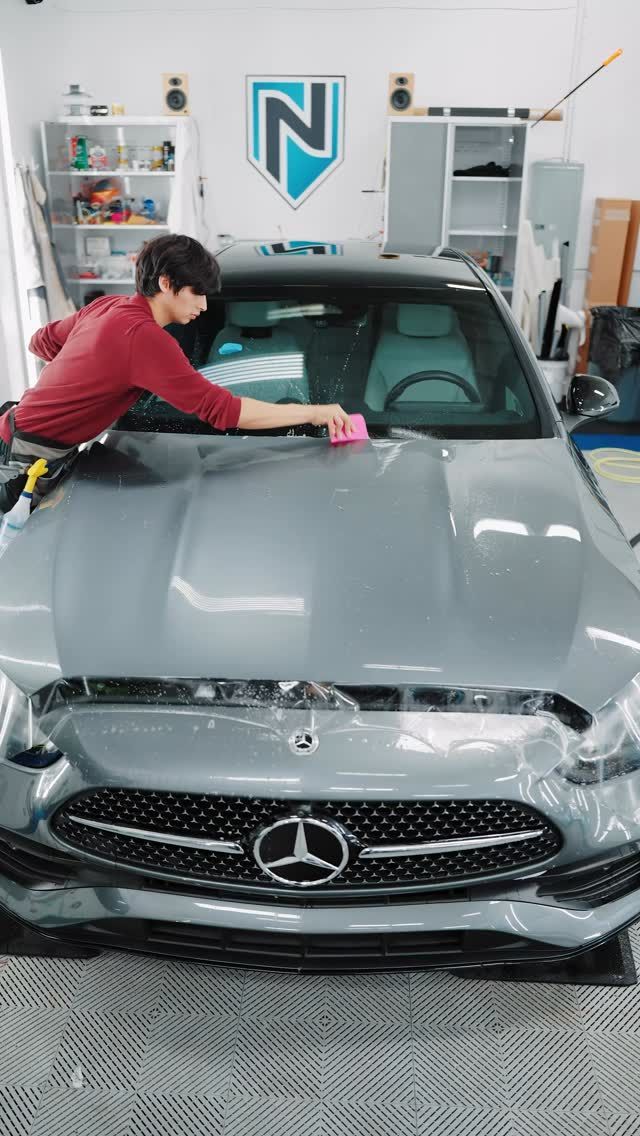
Once the paint is corrected and cleaned, PPF is carefully installed directly onto the surface. Precision is critical. The film must be laid without stretching, trapping air, or leaving moisture pockets.
After installation, the film must cure. Most manufacturers recommend allowing at least 48 hours for proper adhesion before applying any additional protective layer. During this curing window, the vehicle should not be washed or disturbed.
Step 4: Ceramic Coating Application
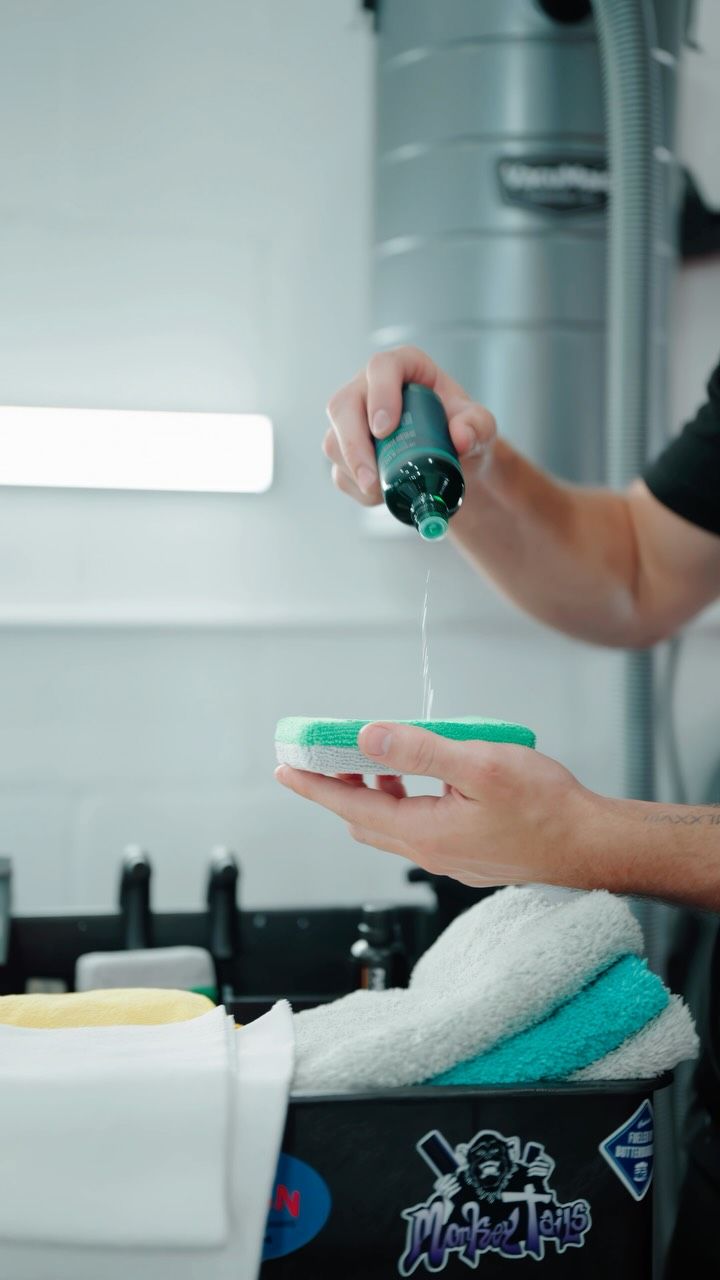
Only after the PPF has cured should ceramic coating be applied. The coating bonds to the top layer of the film, enhancing hydrophobic properties and adding UV protection.
Applied at the proper time, ceramic coating increases gloss depth, reduces maintenance effort, and helps preserve the clarity of the film over time. In Florida’s intense sun, this added UV resistance significantly slows oxidation and fading.
What Happens When the Order Is Reversed?
Installing ceramic coating before PPF creates several problems:
- Reduced adhesive strength
- Increased risk of bubbling or edge lifting
- Premature delamination
- Voided manufacturer warranties
- Shortened lifespan of both products
If a vehicle already has ceramic coating and the owner decides to add PPF, the coating must be professionally removed through machine polishing before film installation. Skipping this step almost guarantees adhesion issues.
Common Mistakes to Avoid
Even quality products can fail if installation shortcuts are taken. Here are the most common mistakes vehicle owners should be aware of:
Applying PPF Over Existing Ceramic Coating
Ceramic coating prevents proper adhesive bonding. Removal is required before film installation.
Skipping Paint Correction
Imperfections will be permanently sealed beneath the film and remain visible.
Rushing Cure Time
Applying ceramic coating too soon can trap moisture or solvents between layers. A minimum 48-hour cure time is typically recommended.
Using Incompatible Products
Not all detailing chemicals are safe for PPF or ceramic coatings. Harsh solvents can weaken adhesives and degrade coatings.
Improper Edge Sealing
Unsealed edges allow dirt and debris to migrate under the film, leading to lifting and failure.
Choosing an experienced installer in Naples or Fort Myers reduces the risk of these costly mistakes.
The Benefits of Proper Layering
When installed correctly, PPF and ceramic coating deliver superior protection compared to either product alone.
Impact Protection
PPF absorbs physical damage from road debris and minor abrasions.
Hydrophobic Performance
Ceramic coating dramatically improves water beading and makes washing easier.
UV Defense
The combination slows oxidation and fading caused by Florida sun exposure.
Long-Term Value
Correct layering extends product lifespan and maintains resale value.
Enhanced Appearance
Gloss retention and clarity remain strong for years when both systems perform at full capacity.
For vehicle owners in coastal Southwest Florida, this layered approach provides both functional and aesthetic benefits.
Frequently Asked Questions
Can ceramic coating be applied over PPF?
Yes. Ceramic coating should be applied over PPF after the film has cured. This enhances gloss, UV resistance, and hydrophobic performance.
How long should PPF cure before ceramic coating?
Most professional installers recommend at least 48 hours. Cure time may vary depending on manufacturer guidelines and environmental conditions.
Does ceramic coating make PPF last longer?
Yes. A ceramic top layer reduces environmental wear and helps maintain clarity, which can extend the visual lifespan of the film.
Is ceramic infused PPF enough on its own?
Some films include ceramic-infused top layers, but these typically degrade faster than a dedicated ceramic coating. Adding a professional coating improves long-term durability.
Professional Installation Matters
Even the most advanced materials cannot compensate for poor installation technique. Precision, patience, and environmental control all influence the final outcome.
At Naples Auto Armour, our process is deliberate and consistent. We prepare the surface thoroughly, correct paint defects, install PPF with precision, allow full curing, and then apply a professional-grade ceramic coating. This structured approach ensures our clients in Naples, Marco Island, and Fort Myers receive maximum protection and lasting results.
If you are considering paint protection for your vehicle, the installation order is not optional. It determines whether your investment performs as intended or fails prematurely.
To schedule a consultation for PPF and ceramic coating in Naples, FL, call Naples Auto Armour at (239) 378-2336. Our team will walk you through the right protection package for your vehicle and driving conditions.
Naples Auto Armor Blog