Can Window Tint Prevent Dashboard Cracks in Naples FL
In Naples, Marco Island, and Fort Myers, intense sunlight and year-round heat are part of daily life. While most drivers think about exterior paint protection, the interior of your vehicle faces just as much stress. One of the most vulnerable areas is the dashboard. Constant exposure to ultraviolet radiation and extreme temperatures can lead to fading, brittleness, and eventually micro-cracks that require costly repair or replacement.
Understanding how ceramic
window tint protects your dashboard helps you make a smarter investment in your vehicle’s long-term condition.
Why Dashboards Crack in Southwest Florida
Dashboard materials are typically made from vinyl, polyurethane, and other polymer-based compounds. These materials are engineered to be flexible and durable, but they are not immune to environmental stress.
The primary cause of dashboard deterioration is ultraviolet radiation. UV rays break down the polymer chains within dashboard materials, gradually reducing flexibility and strength. Over time, the surface becomes brittle and more susceptible to cracking.
Heat accelerates this process. In Southwest Florida, interior vehicle temperatures regularly exceed 140°F during warmer months. Dashboard surfaces exposed to direct sunlight can reach temperatures close to 200°F. This heat causes expansion during the day and contraction as temperatures cool at night. Repeated thermal cycling places stress on the material, which leads to the formation of micro-cracks.
The combination of UV exposure, sustained high heat, and temperature fluctuations works together to weaken the dashboard’s structure. Without protection, visible cracking and discoloration are often inevitable.
Early Signs of Dashboard Deterioration
Damage often begins subtly. You may first notice fading, uneven coloring, or a loss of gloss. As deterioration progresses, fine hairline cracks begin to appear across the surface.
If left untreated, those small cracks can deepen and spread. Sections of the dashboard may become rigid, chip under pressure, or develop uneven textures. These signs indicate that the material has lost elasticity due to prolonged UV and heat exposure.
Routine inspection is important. In areas like Naples and Fort Myers where vehicles are frequently parked outdoors, checking your dashboard monthly can help you identify early warning signs before major damage occurs.
How Ceramic Window Tint Protects Your Dashboard
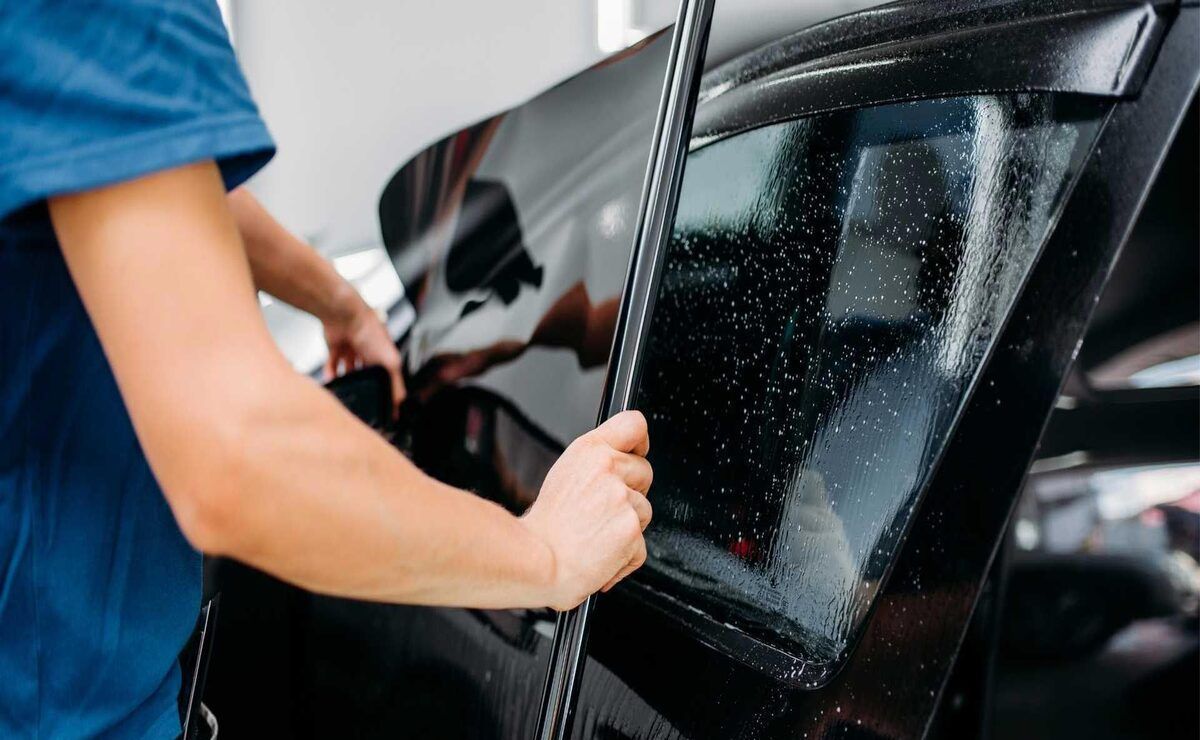
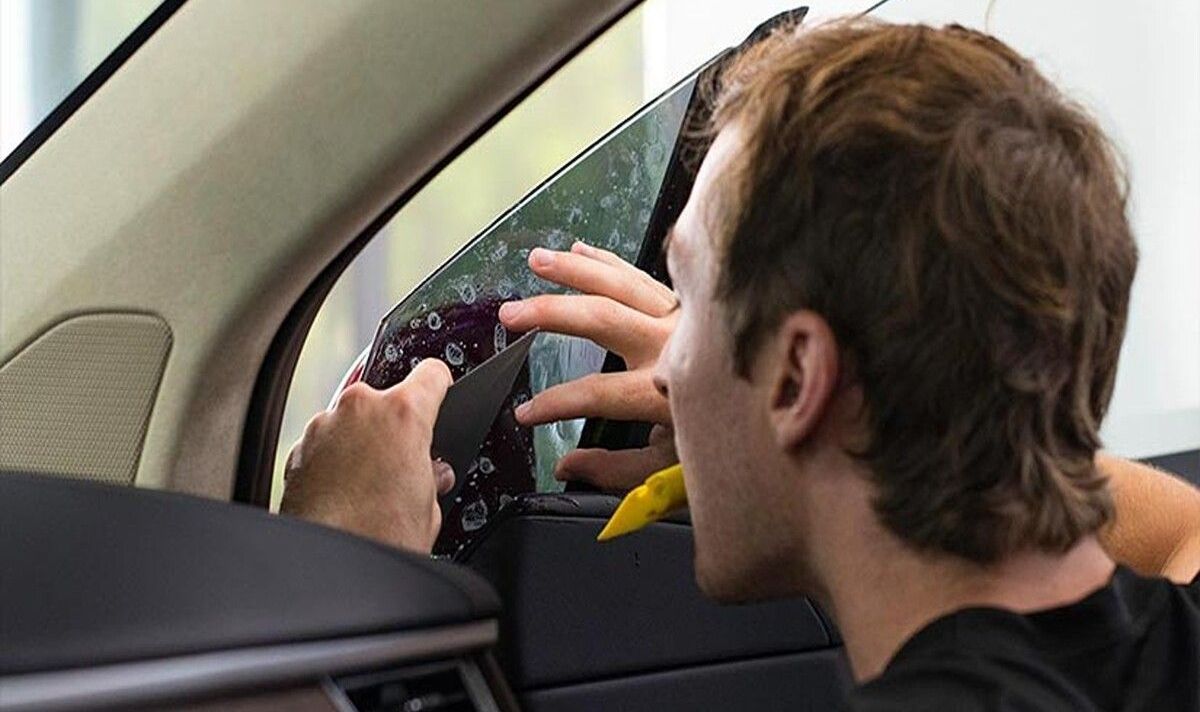
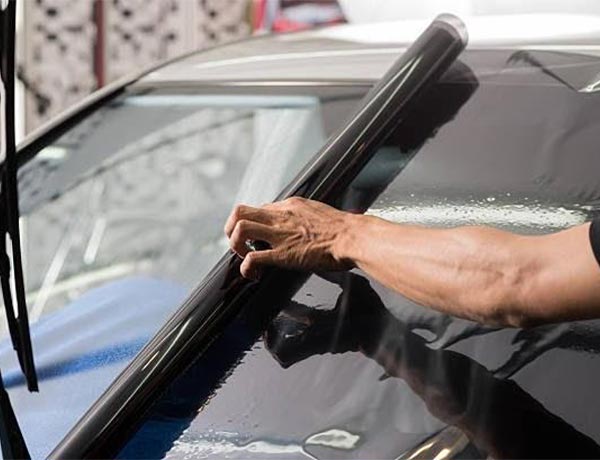
High-quality ceramic window tint functions as a protective barrier between your vehicle’s interior and the sun’s damaging rays.
Premium nano-ceramic films block up to 99 percent of harmful UV radiation. By reducing UV penetration, tint slows the breakdown of dashboard materials and helps preserve flexibility and color integrity.
Ceramic tint also reduces infrared heat. Infrared radiation is responsible for much of the heat buildup inside a vehicle. By reflecting and absorbing infrared energy, ceramic films help lower interior temperatures and reduce thermal stress on dashboard surfaces.
Vehicles equipped with ceramic tint can experience significantly lower dashboard surface temperatures compared to untinted vehicles. Lower surface temperatures mean less expansion and contraction, which helps reduce the formation of micro-cracks over time.
Unlike lower-grade dyed films, ceramic tint provides substantial heat rejection without interfering with GPS, cell signals, or keyless entry systems. This makes it a practical solution for modern vehicles equipped with advanced electronics.
For drivers in Naples, Marco Island, and Ft Myers, ceramic tint is not just about appearance. It is a preventative measure against interior aging caused by Florida’s climate.
Comparing Ceramic Tint and Laminated Coatings
When evaluating interior heat protection, some vehicle owners consider both nano-ceramic window tint and laminated glass coatings. Each offers advantages.
Nano-ceramic window tint provides:
- Very high UV protection
- Strong infrared heat rejection
- No signal interference
- A clean, clear appearance with minimal darkening
- Cost-effective long-term protection
Laminated coatings bond directly to the interior glass and also block UV radiation effectively. In addition to heat protection, they provide enhanced shatter resistance. This can add an extra layer of safety in the event of impact.
However, laminated coatings are typically more expensive and can present visible light transmission challenges depending on the product used. Florida law requires front side windows to allow at least 28 percent visible light transmission. Any heat protection solution must remain compliant with state regulations.
For most drivers seeking dashboard protection and interior cooling, nano-ceramic window tint offers the best balance of performance, longevity, legal compliance, and value.
Tint Effectiveness in Preventing Micro-Cracks
Micro-cracks develop gradually from repeated exposure to heat and ultraviolet radiation. While they may not be visible at first, they weaken the surface and eventually expand into noticeable cracks.
By blocking UV rays and reducing interior temperatures, ceramic tint addresses both primary causes of dashboard damage. This dual protection slows material degradation and helps maintain a more stable interior environment.
Reducing cabin heat also decreases strain on air conditioning systems, improves driving comfort, and protects other interior components such as leather seats and steering wheels.
For vehicle owners who take pride in maintaining their investment, installing high-performance ceramic tint is one of the most effective long-term interior protection strategies available.
Additional Methods for Dashboard Protection
While ceramic tint is one of the most effective protective measures, combining it with other practices can further extend the life of your dashboard.
Dashboard Covers
Dashboard covers create a physical barrier between sunlight and interior surfaces. Quality covers can significantly reduce UV exposure and limit heat absorption. This is especially helpful for vehicles parked outdoors for extended periods in Collier County or Lee County.
Reflective Windshield Sunshades
Windshield sunshades reflect sunlight before it enters the cabin. They can reduce interior temperatures substantially compared to leaving the windshield uncovered. When paired with ceramic tint, they provide a strong defense against both radiation and heat buildup.
Regular Cleaning and UV Protectants
Dust and debris can act as abrasives on vinyl and plastic surfaces. Cleaning your dashboard regularly with a gentle interior cleaner and microfiber cloth helps maintain surface integrity. Applying a UV-protectant interior product adds an additional layer of defense.
These steps, when combined with professional ceramic window tint installation, create a comprehensive interior protection strategy.
Choosing the Right Window Tint in Naples FL
Selecting the right tint requires balancing legal compliance, performance, and long-term value.
In Florida, front side windows must allow at least 28 percent visible light transmission. Rear windows may be darker, but compliance is essential to avoid penalties.
Ceramic window tint is typically more expensive than basic dyed film, but it delivers superior heat rejection and UV protection. Carbon films offer moderate performance at a lower price point but do not match ceramic technology in infrared rejection.
At Naples Auto Armour, we exclusively install high-performance ceramic window films designed specifically for Florida’s heat and sun exposure. Our installations are performed in a controlled environment to ensure precision fitment and long-term durability.
If your vehicle is regularly exposed to intense sunlight in Naples, Marco Island, or Fort Myers, investing in ceramic tint helps protect your dashboard, maintain interior aesthetics, and preserve resale value.
To learn more about ceramic window tint or to schedule a consultation, contact Naples Auto Armour at (239) 378-2336 or visit naplesautoarmour.com/contact.
Naples Auto Armor Blog