Signs of Poor Quality Window Tint Installation: Top Problems and Mistakes to Avoid
Window tinting can greatly enhance your car's appearance, protect your interior, and provide UV protection—but only if it's done right. Poor installation can lead to several issues, such as bubbles, wrinkles, and peeling edges. Many vehicles have these problems, and addressing them early can save you money and frustration in the long run. If you are planning to get your windows tinted, it’s important to be aware of the common mistakes and warning signs to ensure your tint lasts and looks great.
Signs of Poor-Quality Window Tint Installation
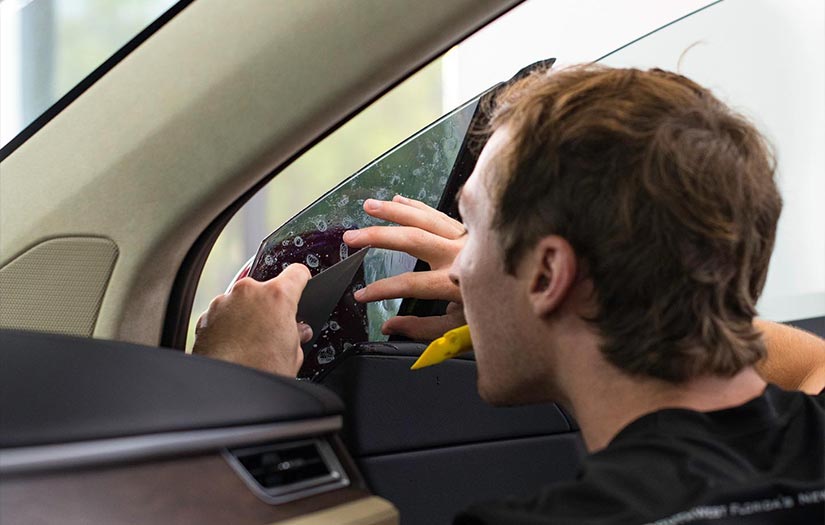
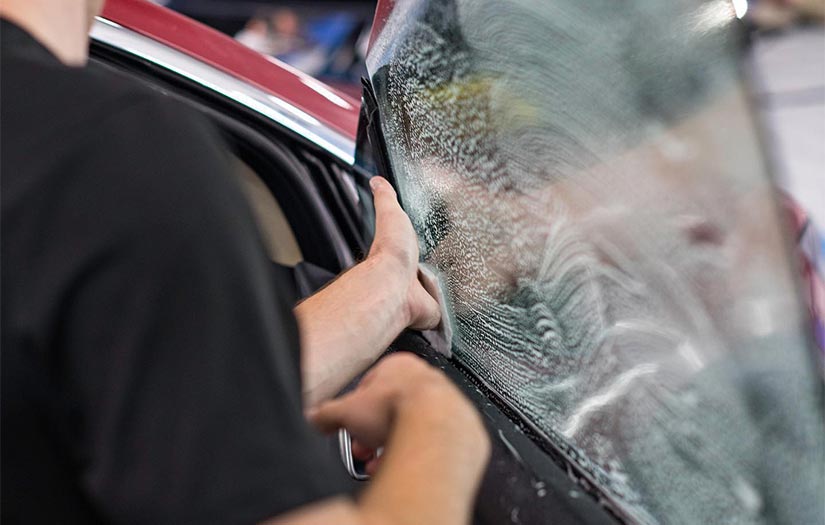
When window tint installation is done poorly, the results can be noticeable. Some signs of poor-quality tint jobs include visible dirt or debris trapped under the film, uneven or peeling edges, bubbles or wrinkles in the tint, improper fit over curved surfaces, and weak adhesion that can lead to peeling over time. To prevent these issues, ensure your installer follows proper cleaning procedures, uses precise cutting techniques, and allows enough drying time for the tint to adhere properly.
Uneven Edges and Seams
Uneven edges and seams are some of the most obvious indicators of a subpar window tint job. This issue usually arises when the tint film is cut too broadly or unevenly, without considering the unique shape of the window. While these imperfections may seem small at first, they become glaringly noticeable up close and indicate poor craftsmanship.
The difficulty in achieving seamless edges is greater with frameless windows. Unlike framed windows, which provide a natural border to hide trimming mistakes, frameless designs expose every minor imperfection. Many installers use software-driven cutting plotters to save time, but these machines have limitations when it comes to matching complex curves. This can result in edge gaps ranging from 2.5 mm to 7 mm, a common issue in the industry.
These gaps occur when the installer leaves a margin to prevent peeling. Cutting the film too close to the glass risks lifting over time, especially with repeated door movement. However, creating small visible gaps to avoid this issue is noticeable under good lighting, which many customers notice.
If tighter edges are a priority, hand-cutting the film is an option. However, hand-cutting can be labor-intensive and still may not always achieve flawless results. Even with extensive experience, perfection is difficult to achieve without significant time and expertise.
Uneven edges also impact durability. Installations with visible edge irregularities experience peeling more often within the first year compared to those with smooth borders. Peeling not only ruins the appearance of the tint but also exposes untreated glass areas, allowing UV rays to enter and reducing privacy—essential functions of the tint.
| Issue | Impact | Typical Location |
|---|---|---|
| Jagged or uneven cuts | Poor aesthetic, peeling risk | Window corners (65%) |
| Visible light gaps | Noticeable imperfections | Door frames (25%) |
| Slight micro-edge flaws | Edge lifting or film damage | Eases cleaning and prevents long-term d Near window seals (10%)amage |
To avoid these issues, customers should set realistic expectations based on their budget and window type. Professional shops like Naples Auto Armour balance precision cutting with post-installation edge filing to smooth borders and reduce visible gaps and long-term peeling risks.
Bubbles and Haze
Bubbles in a freshly tinted window are easy to spot. These small pockets of air or moisture create blisters between the glass and the film, disrupting the smooth appearance. Not only do they look unsightly, but they also decrease the effectiveness of your tint by interfering with adhesion and light control.
So, what causes these bubbles? Often, improper surface preparation and application conditions are to blame. If the installer fails to clean every speck of dust or moisture, these contaminants become the seed for bubbles. Additionally, applying tint in temperatures that are either too cold or too warm can lead to adhesive curing problems that trap gases. Installers at Naples Auto Armour stress that proper cleaning and climate control are essential to preventing bubbles.
While bubbles are easy to see, haze is more subtle but just as frustrating. Haze appears as a milky or blurry film over the glass, affecting visibility. This often occurs when residual adhesive remains on the surface due to improper cleaning or when low-quality adhesive films are used. Inferior adhesives increase the risk of haze, which diminishes visibility and driver comfort.
Haze not only impairs visibility but also reduces the performance of your window tint against UV rays and heat rejection. Since ceramic tints, like those offered at Naples Auto Armour, depend on clean adhesion for optimal performance, haze signals a weakened function and diminished aesthetics.
| Issue | Main Cause | Impact on User |
|---|---|---|
| Bubbles | Trapped air/moisture, dust | Visual defects, reduced protection |
| Haze | Residual adhesive, poor cleaning | Blurred vision, diminished clarity |
Discoloration and Fading
While even the best window tints can experience some discoloration over time, poor-quality films make this problem more apparent. Inexpensive tints often rely on dye-based technology, which lacks strong UV stabilization. In Florida’s intense sunlight, these dyes degrade quickly, causing the tint to turn shades of purple or brown within months. This discoloration isn’t just unsightly—it also signals a breakdown in the film’s protective properties.
Cheap dyes absorb solar radiation but eventually break down when exposed to the sun. As they degrade, they lose their ability to block UV rays, which undermines one of window tinting’s primary benefits: protecting your car’s interior and your skin from sun damage. Poorly cured adhesives and low-quality materials contribute to early failure, leading to bubbling and peeling.
Low-quality dyed films may lose their vibrancy within six months, with fading rates increasing per year in high-UV regions like Florida. In contrast, premium ceramic films resist fading for at least five to ten years. Ceramic films use nanoparticles to reflect infrared heat and block over 99% of UV rays without relying on dyes, offering better performance and a longer-lasting appearance.
At Naples Auto Armour, we emphasize premium ceramic tints for their superior heat rejection and long-lasting appearance. While they may cost more upfront, they offer better long-term value and save you from the hassle and expense of replacing faded or discolored tint prematurely.
Peeling and Overlapping Film
Peeling often begins at the edges or corners of tinted windows, where the adhesive faces the most stress. It may start as a small lift but can grow larger over time, ruining the smooth finish of the tint. Peeling is more than just a cosmetic issue; it compromises the tint's protection, allowing UV rays and heat to penetrate through damaged sections.
Overlapping film presents another problem. When the tint is not cut precisely, installers may overlap strips, leading to raised seams or areas where the tint appears doubled. These overlaps distort light transmission, trap dirt and grime, and disrupt the smooth look of the tint.
To prevent peeling and overlapping, ask your installer about surface preparation and whether they file and smooth edges post-installation. Skilled installers like those at Naples Auto Armour use precise measurement tools and cutting software to minimize edge gaps and prevent unnecessary overlaps, ensuring a high-quality installation that lasts.
Visible Wrinkles and Imperfections
Wrinkles in window tint are not just cosmetic issues—they signal a rushed or careless installation. When the film is not applied smoothly, air pockets form beneath the surface, creating ridges or creases. Wrinkles can reduce UV protection by up to 30% and increase glare by 10-15%, which can lead to eye strain during daylight driving.
Patience is key. Rushed installations lead to imperfections that shorten the tint’s lifespan due to premature peeling. Skilled installers apply the film slowly, ensuring it conforms smoothly over curves without creating wrinkles.
Ensuring Professional Installation
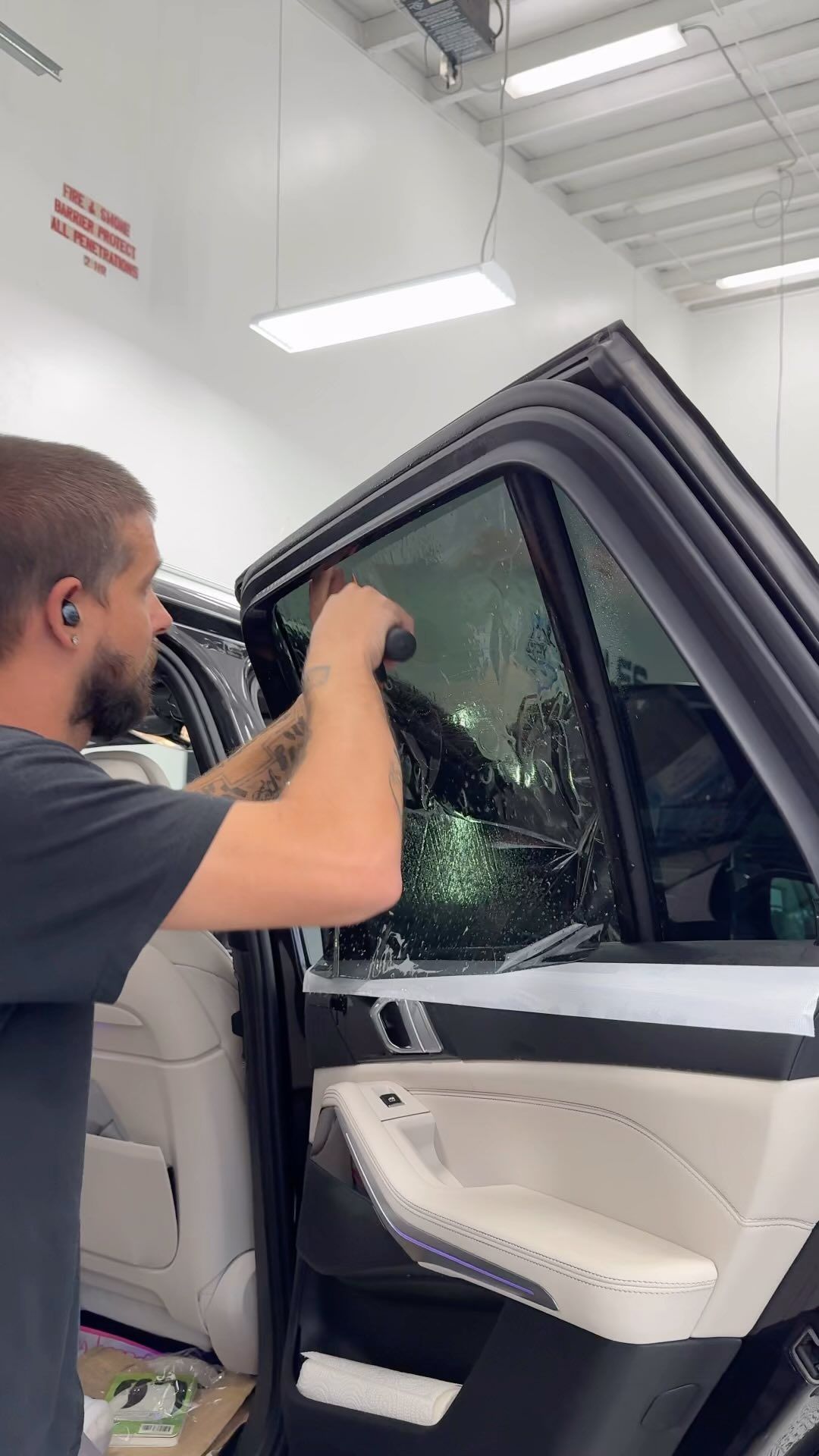
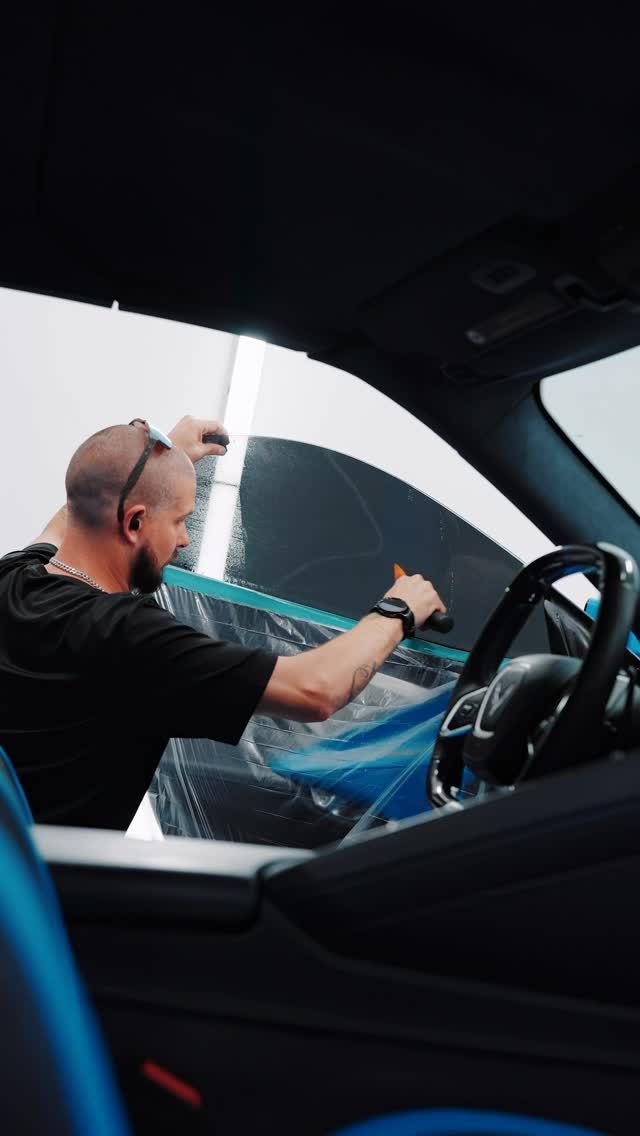
Finding a skilled installer is crucial. Don’t just go with the first option you find—take the time to check reviews, certifications, and warranties to assess their expertise. The International Window Film Association (IWFA) certification is a good indicator that an installer follows industry standards and employs the latest techniques.
At Naples Auto Armour, we guarantee every installation is backed by experience, craftsmanship, and a commitment to quality.
Ensure Long-Lasting, High-Quality Window Tinting for Your Vehicle
When it comes to protecting your car and improving its appearance, high-quality window tinting is an investment you can’t afford to overlook. At Naples Auto Armour, we prioritize precision, care, and customer satisfaction, ensuring that your window tinting looks great and lasts for years. Don’t settle for less—trust the professionals who specialize in seamless, high-quality tint installations.
Ready to give your car the perfect tint?
Contact us today at (239) 378-2336 or visit our website to schedule your consultation and experience expert craftsmanship that you can trust.
Naples Auto Armor Blog