How Ceramic Coating Performs on Different Paint Colors
Ceramic coating has become one of the most popular solutions for long-term paint protection, especially for vehicle owners who want both durability and visual enhancement. While most people think of ceramic coating as a universal gloss-boosting layer, its visual impact can vary depending on the paint color underneath. In places like Naples, Marco Island, and Fort Myers, where strong sun exposure and coastal conditions accelerate paint wear, ceramic coating offers both protective and aesthetic advantages that go beyond surface shine.
Ceramic coating interacts with different paint colors, how it enhances durability, and what vehicle owners should realistically expect after application. It also breaks down why professional preparation and application, such as the services offered by Naples Auto Armour, play a critical role in achieving long-lasting results.
What Ceramic Coating Actually Does
Ceramic coating is a liquid polymer made primarily of silicon dioxide (SiO₂) that chemically bonds with a vehicle’s clear coat. Unlike waxes or sealants that sit on the surface, ceramic coatings create a semi-permanent protective layer that is significantly more durable and resistant to environmental damage.
Once applied, the coating forms a hard, transparent shield that improves resistance against UV rays, oxidation, chemical contaminants, and light surface abrasions. It also creates a hydrophobic effect, which causes water to bead and slide off the surface, taking dirt and grime with it.
One of the most important benefits is UV protection. In Florida’s intense sunlight, unprotected paint can fade and oxidize over time. Ceramic coating slows this process, helping preserve the original color and clarity of the paint for longer periods.
However, ceramic coating is not a replacement for proper maintenance. Vehicles still require regular washing using safe techniques and pH-neutral products to maintain performance and appearance.
Professional Application and Preparation Process
The effectiveness of ceramic coating depends heavily on how well the surface is prepared before application. A proper installation process involves multiple stages to ensure maximum bonding and clarity.
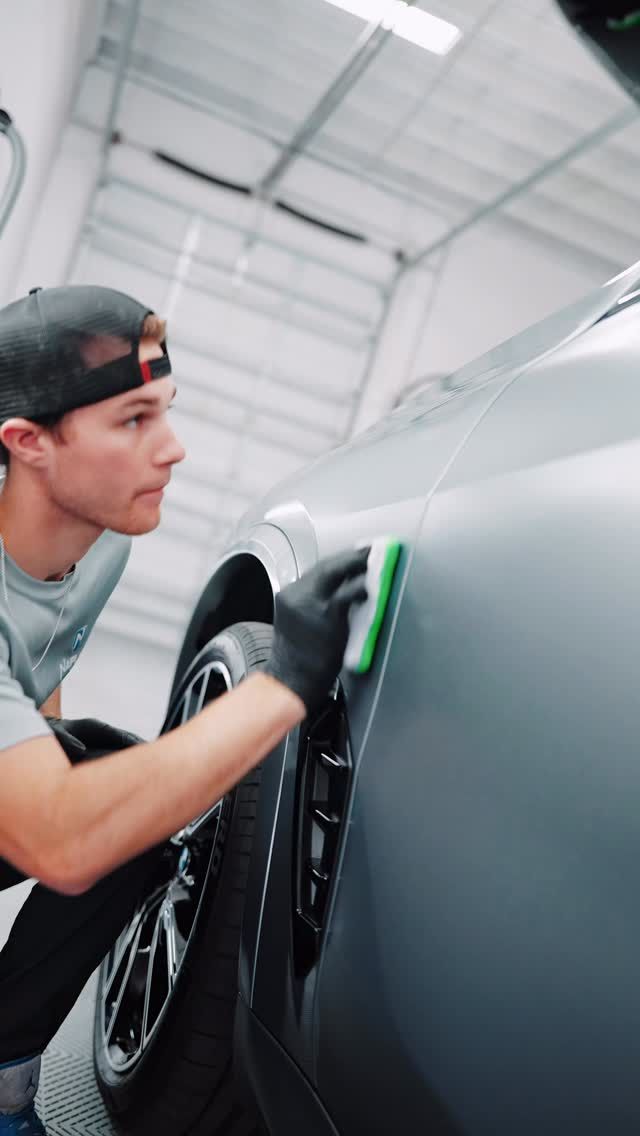
First, the vehicle undergoes a thorough wash to remove surface dirt and contaminants. After washing, a clay bar treatment is used to extract embedded particles such as industrial fallout, brake dust, and road grime that are not visible but can affect bonding.
Next comes paint correction. This step removes swirl marks, oxidation, and light scratches. It is essential because ceramic coating locks in the condition of the paint. If imperfections remain, they will still be visible after coating.
Once the surface is fully corrected, the ceramic coating is carefully applied in controlled sections. It then cures and bonds with the clear coat to form a durable protective layer.
At Naples Auto Armour, this preparation process is treated as a core part of the service because it directly impacts gloss, durability, and long-term performance across all paint colors.
How Paint Color Affects Ceramic Coating Appearance
Ceramic coating does not change the actual color of a vehicle, but it does change how light reflects off the surface. This means the final visual result can vary depending on whether the vehicle is dark, light, or metallic.
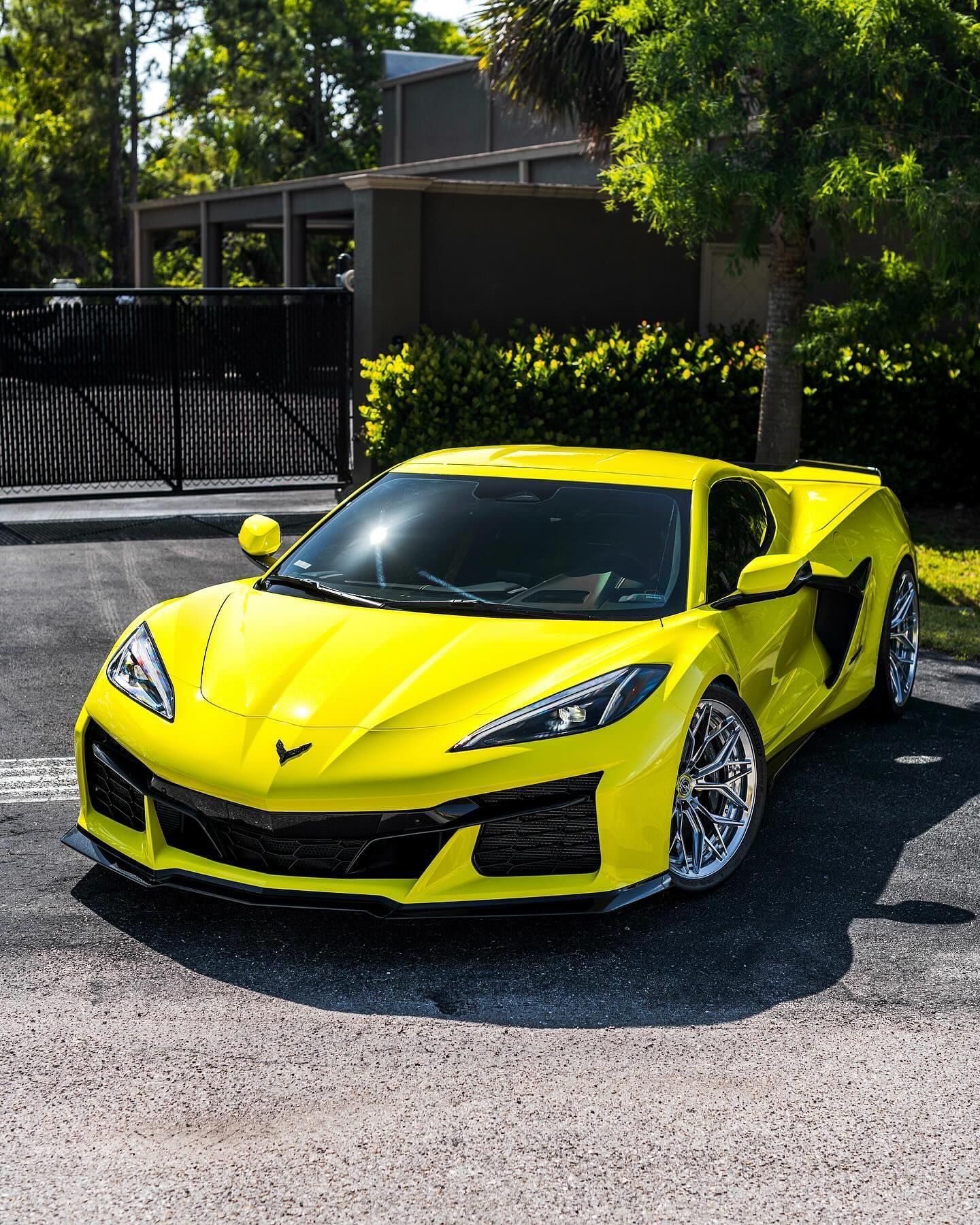
Darker colors tend to show a more dramatic improvement in gloss and depth, while lighter colors display a cleaner, brighter finish with a more subtle enhancement. In both cases, the protective benefits remain the same, including UV resistance, hydrophobic performance, and easier cleaning.
The difference is primarily visual, not functional. Understanding this distinction helps set realistic expectations before investing in ceramic coating.
Ceramic Coating on Dark Paints
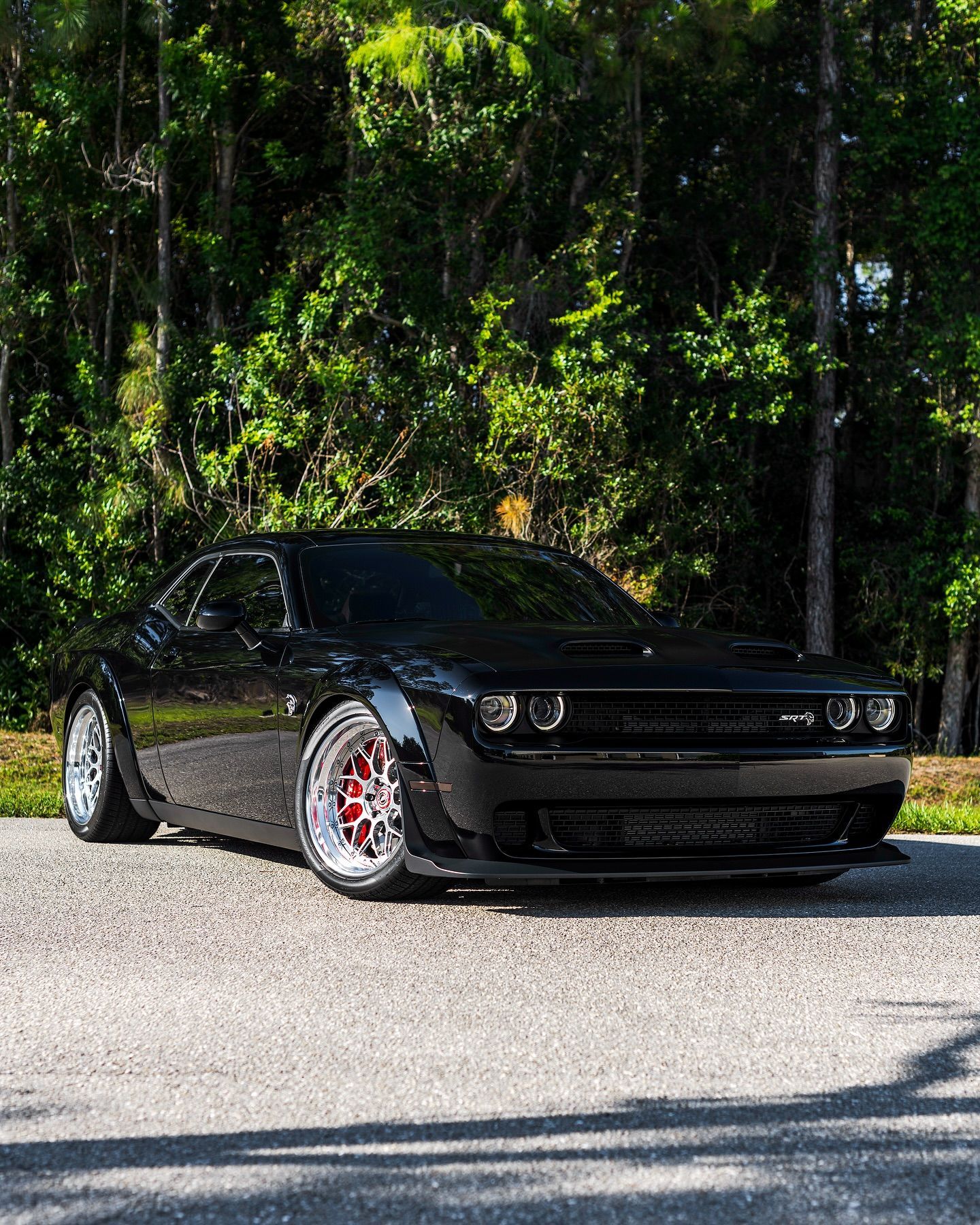
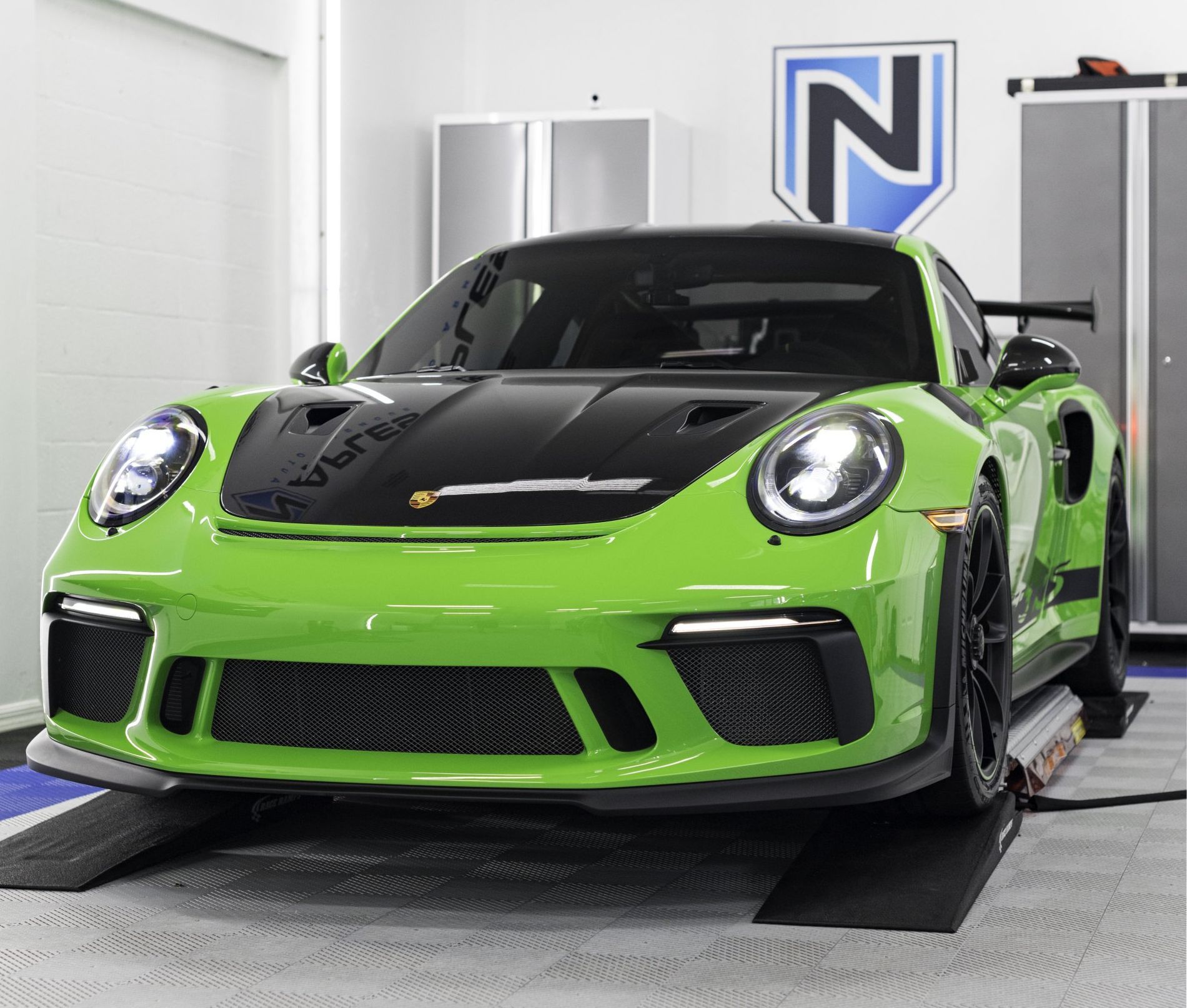
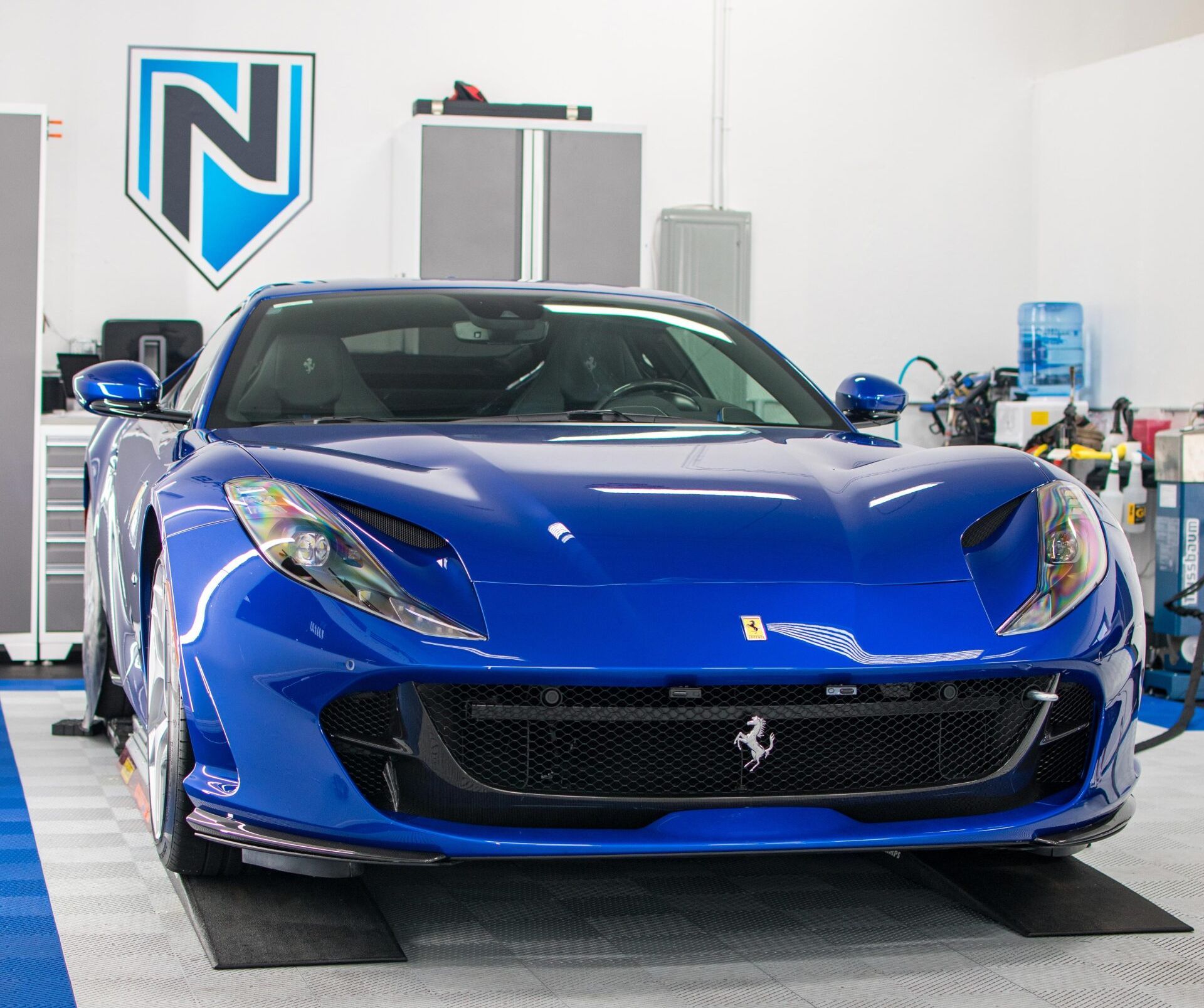
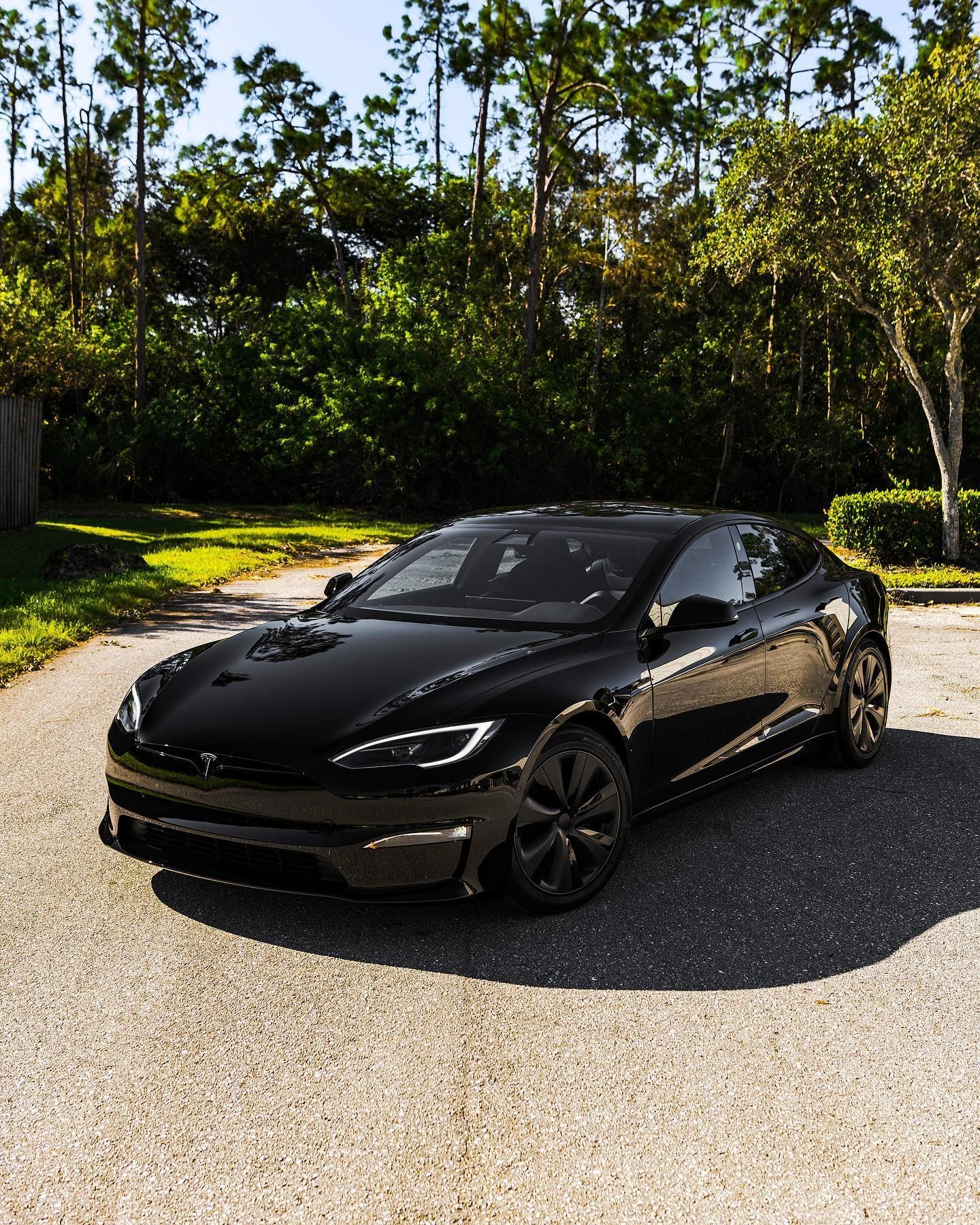
Dark-colored vehicles such as black, deep blue, and dark gray typically show the most noticeable visual transformation after ceramic coating. These colors naturally absorb more light, which makes reflections and gloss appear more intense once the coating is applied.
Ceramic coating enhances this effect by creating a smoother surface that reflects light more evenly. The result is a deep, wet-looking finish that is especially popular among automotive enthusiasts.
However, dark paint also tends to highlight imperfections more clearly. Swirl marks and oxidation are more visible on black and dark finishes. This is why paint correction is especially important before coating application.
Ceramic coating helps reduce the visibility of minor imperfections by improving surface clarity and adding a uniform reflective layer. It also provides UV protection that helps prevent fading, which can be more noticeable on darker colors over time.
Another advantage is improved maintenance. Water spots, dust, and fingerprints are less likely to bond to the surface, making cleaning easier and less frequent.
Ceramic Coating on Light Paints
Light-colored vehicles such as white, silver, and beige do not show the same dramatic gloss effect as darker paints, but they benefit significantly from ceramic coating in other ways.
One of the biggest advantages is stain resistance. Light paint tends to show contaminants more easily, especially from bird droppings, road grime, and tree sap. Ceramic coating creates a protective barrier that prevents these contaminants from bonding strongly to the surface.
UV protection is also important for lighter vehicles. While light colors naturally reflect more sunlight, they are still susceptible to oxidation and fading over time. Ceramic coating adds an extra layer of defense that helps preserve brightness and clarity.
In terms of maintenance, coated light-colored vehicles stay cleaner for longer and require less aggressive washing. Dirt and dust do not cling as easily, which reduces long-term wear on the clear coat.
While the visual change is more subtle compared to dark vehicles, the functional protection remains equally strong.
UV Protection and Surface Durability
One of the most important benefits of ceramic coating is its ability to protect against UV damage. Constant sun exposure breaks down paint over time, leading to fading, dullness, and oxidation. This is especially relevant in Southwest Florida’s climate, where vehicles are exposed to strong sunlight year-round.
Ceramic coating acts as a protective barrier that reduces the impact of UV rays on the paint surface. This helps maintain color vibrancy and slows long-term degradation.
In addition to UV protection, ceramic coatings provide resistance against light scratches and swirl marks. While they do not prevent deep scratches or physical impact damage, they do help minimize surface-level imperfections caused by washing and daily use.
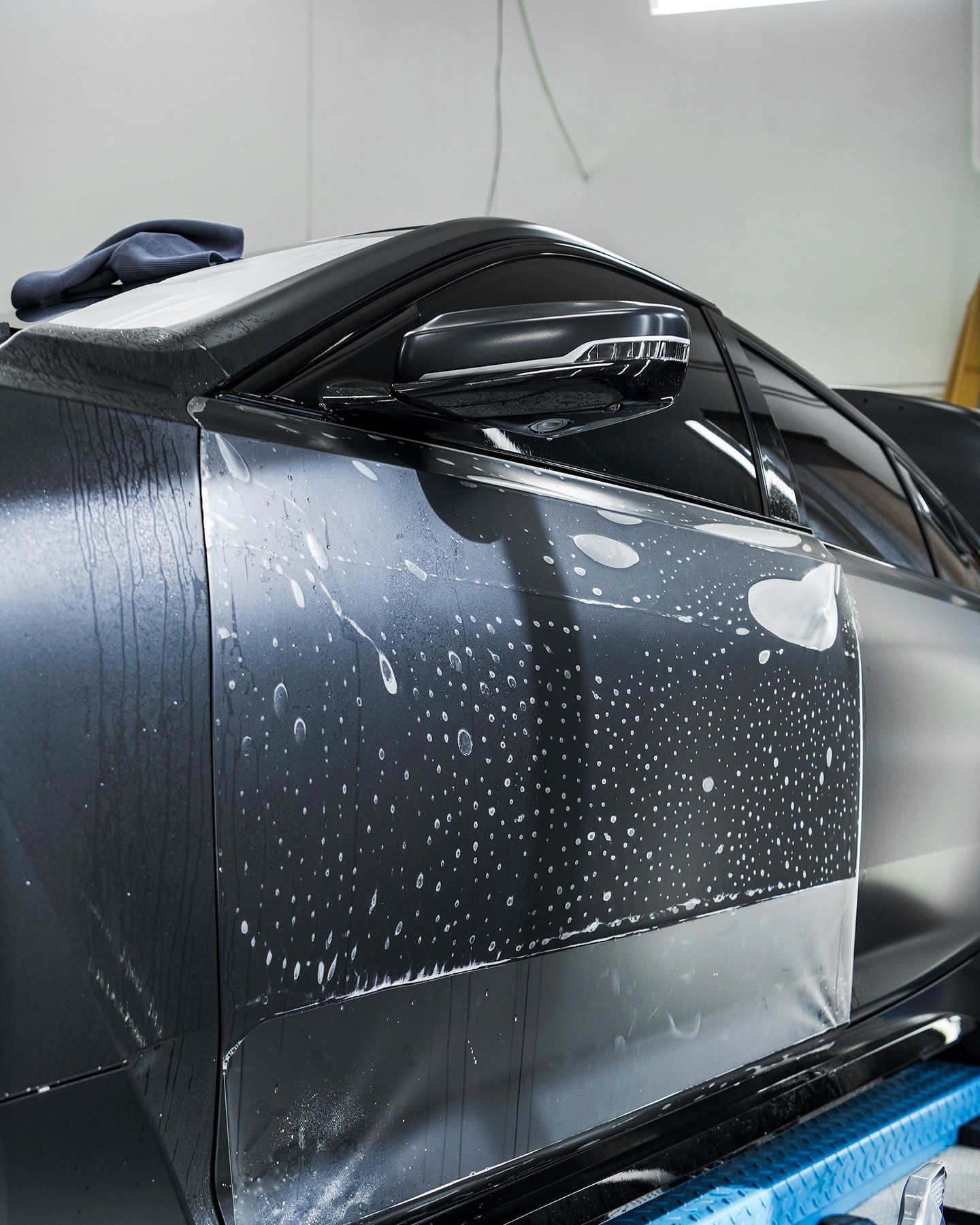
For enhanced protection, many vehicle owners choose to combine ceramic coating with paint protection film for impact resistance and long-term durability.
Maintenance for Long-Term Performance
Maintaining a ceramic-coated vehicle is essential for preserving its performance and appearance. While the coating reduces cleaning effort, it does not eliminate the need for regular care.
The safest method is washing with a pH-neutral shampoo and using the two-bucket wash technique to reduce the risk of scratching. Microfiber wash mitts and soft drying towels are recommended to protect the surface.
Automatic car washes with harsh brushes should be avoided, as they can degrade the coating over time.
Regular maintenance also includes periodic inspections to ensure the coating continues performing as expected. In some cases, maintenance sprays can be used to boost hydrophobic properties and refresh surface slickness.
With proper care, a professionally applied ceramic coating from Naples Auto Armour can maintain its protective and aesthetic benefits for years.
Long-Term Protection and Final Takeaways
Ceramic coating offers a combination of visual enhancement and long-term paint protection that varies slightly depending on vehicle color. Dark paints benefit most from increased gloss and depth, while light paints gain strong protection and easier maintenance.
Regardless of color, the core advantages remain consistent, including UV resistance, hydrophobic performance, and improved durability against environmental contaminants. The key to maximizing these benefits is proper preparation, professional application, and consistent maintenance.
For vehicle owners in Naples, Marco Island, and Fort Myers, ceramic coating is a practical investment in both appearance and long-term paint preservation.
Protect Your Vehicle with Naples Auto Armour
If you want to maintain your vehicle’s finish and maximize long-term paint protection, professional ceramic coating application is the most effective solution.
At Naples Auto Armour, we specialize in multi-stage paint correction and professional ceramic coating systems designed for Florida’s harsh sun and coastal conditions. Whether you drive a daily commuter or a luxury vehicle, our process is built to enhance gloss, protect your paint, and simplify long-term maintenance.
Book your ceramic coating consultation today and protect your vehicle the right way.
Serving Naples, Marco Island, and Fort Myers, FL
Naples Auto Armor Blog