Why Ceramic Coating Stops Beading but Still Protects Paint
Water beading is one of the most visible benefits of ceramic coating. When tight droplets begin to flatten or water no longer rolls away as quickly, many vehicle owners assume the coating has failed. In many cases, however, the coating is still present and supporting the paint. Dirt, mineral deposits, traffic film, oils, or product residue may be covering the surface and changing how water behaves.
Understanding the difference between reduced beading and coating failure can help you avoid unnecessary reapplication. In Naples, Marco Island, and Fort Myers, sun, rain, sprinkler water, coastal contamination, and seasonal storage can affect surface performance.
Key takeaway: If your ceramic coating is not beading like it once did, begin with a proper wash and inspection. Reduced beading is not automatic proof that the coating is gone.
What Beading and Sheeting Reveal About Ceramic Coating
Ceramic coating changes the surface characteristics of automotive paint. One result is hydrophobic behavior, which helps water form droplets and move across the surface more easily. A freshly installed coating often creates tight beads when the paint is clean and free of residue.
Beading shows that the surface is repelling water, but bead shape is only one performance indicator. Some coatings release water through sheeting, where larger sections move off the panel together. Effective sheeting can still reduce standing water and make drying easier.
To evaluate the coating accurately, observe how quickly water leaves the paint, how easily dirt releases during washing, and whether the vehicle remains easier to clean than untreated paint.


Why Ceramic Coating Beading Can Diminish
Surface Contamination
Road film, pollen, bug residue, bird droppings, brake dust, oils, and airborne pollutants can settle on top of the coating. This layer prevents water from interacting directly with the coated surface. The coating may still be intact, but contamination can suppress beading.
Mineral Deposits and Water Spots
Hard-water minerals can remain after sprinkler water or wash water dries on the vehicle. These deposits may interfere with beading and create visible spotting. Washing hot panels, cleaning in direct sunlight, or allowing water to air-dry can increase mineral buildup.
Treat persistent spotting with coating-safe products. Household cleaners, aggressive chemicals, and abrasive polishing can damage the coating or paint.
Residue From Wash Products
Wax-infused soaps, gloss enhancers, and some drying aids can leave a film behind. This residue may create flatter droplets, uneven beading, or streaking. A pH-balanced automotive shampoo that is compatible with ceramic coatings helps support consistent performance.
Normal Wear and Improper Washing
Ceramic coatings are durable, but not permanent. Sunlight, mileage, harsh chemicals, stiff brushes, and aggressive automatic car washes gradually affect the surface and may create swirl marks. Ceramic coating can help resist some minor wash-induced swirl marks, but it does not make paint scratch-proof.
How to Tell Whether the Coating Needs Maintenance or Reapplication
A reliable evaluation starts with a clean surface. After a careful hand wash, inspect several areas instead of judging the entire coating from one panel. Horizontal surfaces often experience more sunlight, spotting, and contamination than vertical panels.
The coating may still be active if:
- The vehicle remains easier to wash than untreated paint.
- Dirt and road film release with less agitation.
- Water still moves off the surface, even when it sheets.
- Gloss and clarity remain consistent after cleaning.
- Vertical panels perform better than heavily exposed horizontal panels.
Reduced beading alone does not confirm failure. Reapplication may be appropriate when water behavior does not improve after cleaning and targeted decontamination, when coated panels become harder to clean, or when polishing or bodywork has removed the coating. Repaired or polished panels may only need individual reapplication.
How to Restore Ceramic Coating Beading
1. Begin With a Coating-Safe Hand Wash
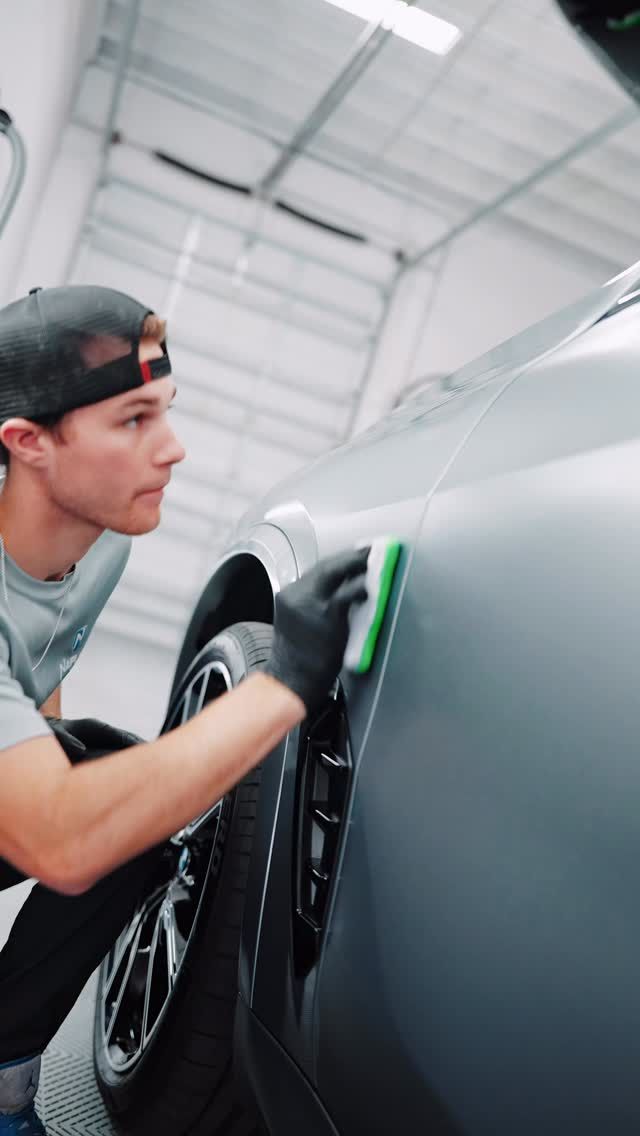
Use a clean microfiber wash mitt, pH-balanced shampoo, and separate tools for the wheels and paint. Work in the shade on cool panels, rinse thoroughly, and dry with clean microfiber towels or filtered air.
2. Address Bonded Contamination Carefully
If normal washing does not restore water behavior, the vehicle may need targeted chemical treatment for iron particles, traffic film, or mineral residue. Mechanical clay treatment can create marring when used incorrectly, so it should not be the first step.
3. Use a Compatible Maintenance Product
A coating topper or maintenance spray recommended by the installer may restore slickness, gloss, and water repellency. Avoid layering unrelated waxes, sealants, and ceramic sprays because incompatible products can create residue or unpredictable water behavior.
4. Schedule Professional Maintenance
Professional service is appropriate when the vehicle has significant spotting, heavy contamination, uneven performance, or an unclear maintenance history. Naples Auto Armour can inspect the coating and recommend the least aggressive next step.
What Ceramic Coating Can and Cannot Do
Ceramic coating supports gloss, easier cleaning, resistance to environmental contaminants, and protection from UV exposure. It does not prevent deep scratches, dents, rock chips, or physical impacts.
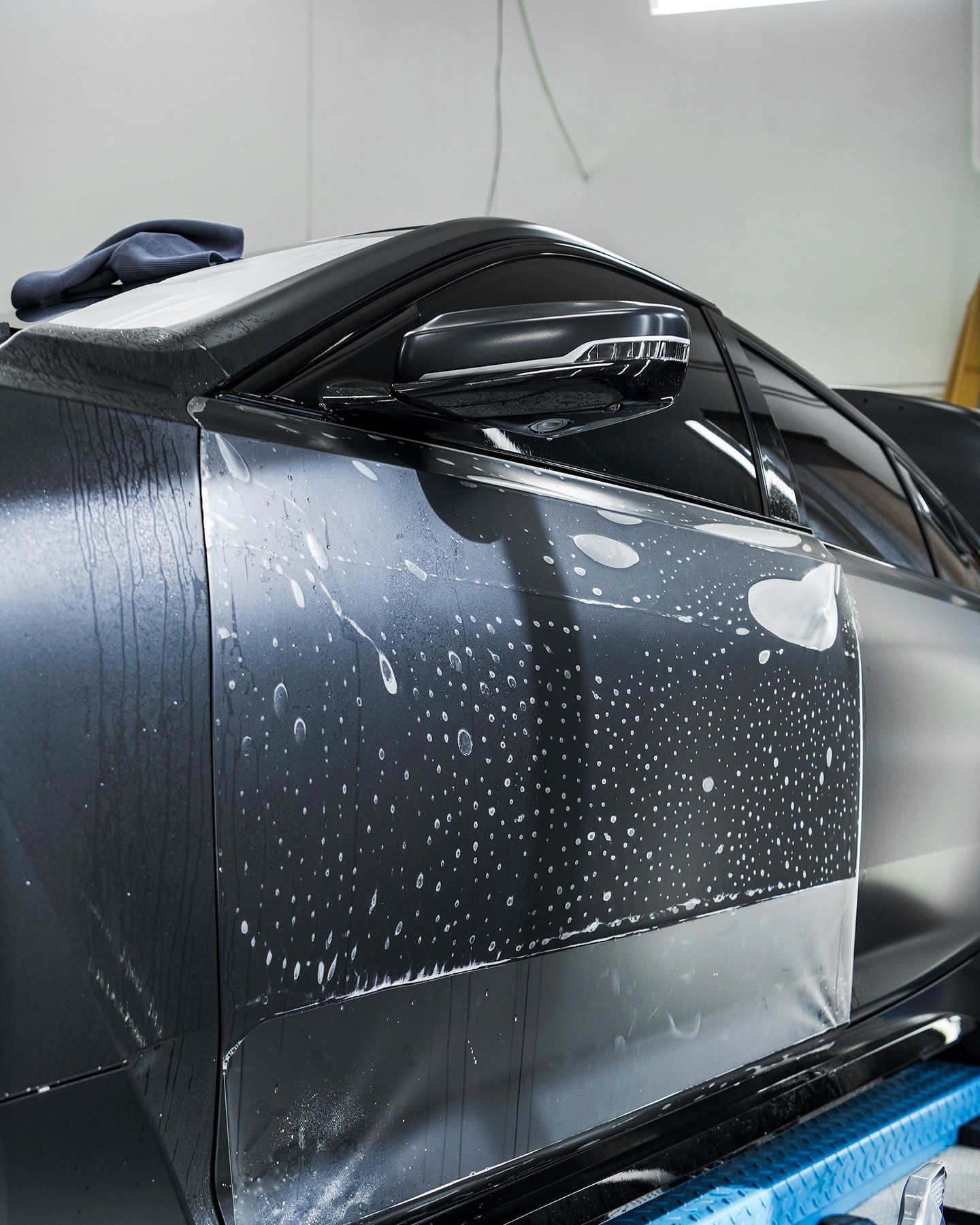
Paint protection film is the more appropriate solution for impact-prone areas. Naples Auto Armour provides tailored recommendations based on how the vehicle will be driven, stored, and enjoyed. Ceramic coating and paint protection film can also be combined for a more complete protection strategy.
Maintaining Ceramic Coating in Southwest Florida
Vehicles in Naples, Marco Island, and Fort Myers face strong sunlight, high temperatures, frequent rain, coastal residue, insect contamination, and sprinkler water. Consistent maintenance is more effective than waiting until the coating appears inactive.
For better long-term performance:
- Wash regularly with coating-safe products and clean tools.
- Remove bird droppings, bug residue, and tree sap promptly.
- Avoid washing hot panels or allowing hard water to dry on the paint.
- Use maintenance products approved for the installed coating.
- Schedule inspections based on mileage, storage, and driving conditions.
Snowbirds and seasonal residents may benefit from arranging maintenance before storage or after returning to Southwest Florida. A pre-season inspection can remove accumulated contamination and prepare the finish for regular use.
Professional Ceramic Coating Care From Naples Auto Armour
Naples Auto Armour helps vehicle owners protect their automotive investments through careful preparation, precise installation, and maintenance guidance. Our team considers the vehicle's condition and use before recommending a protection plan.
When ceramic coating stops beading, the correct response is not always full reapplication. The surface may only need a proper wash, targeted decontamination, a compatible maintenance product, or professional inspection.
Beading still weak after a proper wash? Call Naples Auto Armour at (239) 378-2336 or request an appointment online to schedule a ceramic coating inspection or consultation in Naples, Florida.
Frequently Asked Questions
Does No Water Beading Mean My Ceramic Coating Has Failed?
No. Dirt, oils, mineral deposits, soap residue, or normal aging may reduce beading. Clean and inspect the surface before deciding that the coating needs replacement.
Can a Maintenance Spray Restore Beading?
A compatible product can often improve water repellency and gloss. Use the product recommended for the installed coating system.
Should I Use a Clay Bar on a Ceramic-Coated Vehicle?
Clay can remove bonded contamination, but it can also mar the finish. Chemical decontamination or professional maintenance is often safer.
Can Ceramic Coating Prevent Scratches and Rock Chips?
No. Ceramic coating does not make paint scratch-proof or prevent rock chips. Paint protection film is designed for impact-prone areas.
Naples Auto Armor Blog