PPF Repair or Replacement: When Should Damaged PPF Be Fixed?
Paint Protection Film protects your vehicle's paint from road debris, environmental contaminants, and everyday wear, but the film itself can eventually become damaged. When that happens, vehicle owners often have the same question: does the PPF need a simple repair, a single-panel replacement, or a complete replacement?
The answer depends on the type, severity, and location of the damage, along with the age and overall condition of the film. Minor surface marks or a clean lifted edge caught early may be repairable. Cuts through the film, contaminated lifting edges, recurring bubbling, yellowing, cracking, or widespread deterioration are stronger signs PPF needs replacement.
Understanding the difference between PPF repair or replacement can help you address problems before they spread while avoiding unnecessary replacement of film that is still performing properly.
How to Assess Damaged PPF
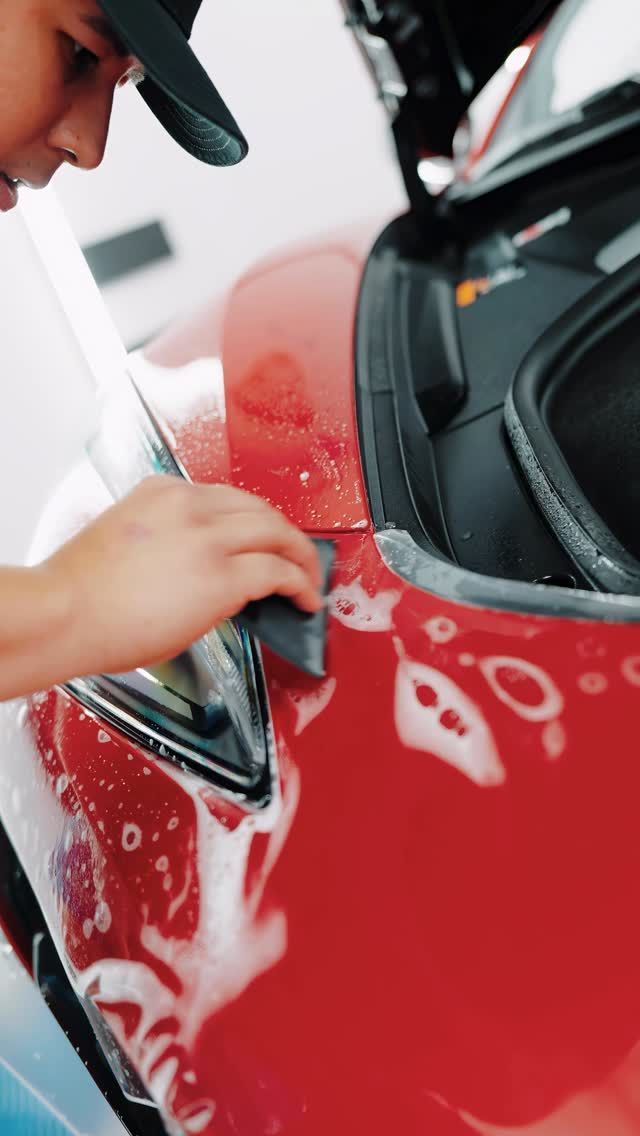
Before deciding whether damaged PPF repair is possible, start with a clean vehicle. Dirt, road film, and other contamination can make it difficult to distinguish actual film damage from something sitting on the surface.
Inspect the PPF in bright natural light or use a light directed across the panel at an angle. Pay close attention to high-impact areas such as the front bumper, hood, mirrors, rocker panels, and areas behind the front wheels.
Common signs to look for include:
- Light surface marks: Fine marks may affect only the self-healing top layer and may not compromise the film's protective function.
- PPF lifting edges: A small, clean lifted edge may sometimes be resealed if it is addressed quickly.
- PPF bubbling: Small moisture pockets can occur during the curing period after installation. Bubbles that develop later or contain visible contamination may indicate a different problem.
- Cuts, tears, or punctures: Damage that penetrates the film can leave the paint beneath it exposed.
- PPF yellowing and cracking: Discoloration, cracking, haze, or extensive staining can indicate that the film is deteriorating.
- Contamination beneath the film: Dirt or moisture under a lifted section can prevent the adhesive from bonding correctly again.
If an impact has penetrated the film, the underlying paint should also be inspected before new PPF is installed.
When to Repair PPF
Knowing when to repair PPF starts with determining whether the protective film remains structurally intact.
Minor Surface Marks
Quality self-healing PPF can reduce the appearance of fine surface marks when exposed to warmth. Florida's natural heat may activate the film's top coat, depending on the product and severity of the mark.
If a mark remains after the self-healing layer has had an opportunity to respond, a professional installer can determine whether it is still cosmetic or has penetrated deeper into the film.
Small, Clean Lifting Edges
A minor lifted edge may sometimes be corrected when it is caught early and the adhesive area is still clean. A professional may be able to clean the area properly and reseal the film.
Once road grime, sand, or moisture gets underneath the edge, resealing becomes less reliable. This is especially relevant for vehicles driven regularly around Naples, Marco Island, Fort Myers, and other Southwest Florida communities where heat, rain, and road contamination can accelerate problems around compromised edges.
Normal Early Moisture Pockets
Small moisture pockets can sometimes be visible shortly after installation as the film cures. These often resolve naturally.
Bubbles that appear well after installation, become larger, or contain particles should be evaluated professionally. Our guide on what causes small air pockets under PPF provides more detail on the difference between normal curing and installation-related concerns.
When to Replace PPF
Understanding when to replace PPF is important because some types of damage cannot be repaired without compromising appearance or protection.
Replacement is usually the better option when you notice:
- Cuts, tears, or punctures that extend through the film
- Lifting edges with dirt, moisture, or debris underneath
- Bubbles that continue to spread
- Contamination trapped beneath the film
- Significant adhesive failure
- Extensive staining or haze
- PPF yellowing and cracking
- Widespread deterioration across several panels
Once film has physically torn or its adhesive has failed, trying to patch the damaged area usually does not provide the same appearance or protection as properly installed replacement film.
Older PPF that is deteriorating across several areas may also be better suited for replacement rather than repeated repairs.
PPF Repair vs Replacement: One Panel or the Entire Installation?
One of the advantages of PPF is that it is installed by individual vehicle panels. Damage to one section does not automatically mean the entire installation needs to be removed.
A PPF panel replacement may be appropriate when one bumper, fender, hood, mirror, or another protected panel has sustained damage while the remaining film is still in good condition.
For example, if a rock tears the film on the front bumper but the PPF across the rest of the vehicle remains clear and securely bonded, replacing only the damaged bumper film may restore protection without replacing everything.
Complete replacement may make more sense when deterioration affects several panels. Older film can also develop differences in clarity, finish, and appearance over time. Installing brand-new film directly beside significantly aged film may create a noticeable visual difference.
A professional inspection can help determine whether isolated panel replacement or broader replacement offers the most practical result.
Should You Attempt a DIY PPF Repair?
Minor self-healing marks may resolve naturally with warmth, but more involved PPF repairs should generally be evaluated by an experienced installer.
Trying to press contaminated lifting edges back into place can trap debris beneath the film. Cutting near painted surfaces can damage the clear coat, while patches placed over torn film may create visible seams and additional exposed edges.
If you are unsure whether the issue is cosmetic or affects the film's ability to protect the paint, having it inspected first can prevent a small issue from becoming more difficult to correct.
What Should Quality PPF Replacement Include?
When replacement is necessary, installation quality matters just as much as the film itself.
At Naples Auto Armour, proper surface preparation helps create the foundation for a clean installation. The process includes thoroughly cleaning the vehicle, addressing paint imperfections as needed, preparing the surface for adhesion, and applying the replacement film with careful attention to panel edges and complex body lines.
Our installers use a combination of modified computer-cut patterns and bulk installation techniques where appropriate, allowing edges to be wrapped or tucked when the vehicle and film permit.
Naples Auto Armour installs XPEL Ultimate PLUS, a self-healing and stain-resistant paint protection film designed to maintain clarity and resist yellowing. The product carries a 10-year manufacturer warranty.
Replacement pricing depends on the vehicle, the panel being replaced, the condition of the existing film, and whether additional preparation is needed before installation.
How Warranty Coverage Affects PPF Repair or Replacement
Before paying for damaged PPF repair or replacement, review the warranty associated with your existing installation.
Manufacturer warranties generally address qualifying problems with the film itself. Installation-related concerns may be handled separately by the installer.
Issues such as unusual peeling, lifting, contamination, or bubbling that appear soon after installation should be brought to the original installer promptly for evaluation.
Physical damage caused by road debris, accidents, environmental exposure, or improper care may fall outside warranty coverage. Reviewing the specific warranty terms can help determine the appropriate next step.
How to Help Your PPF Last Longer
Proper maintenance cannot prevent every type of damage, but it can help extend the film's useful life and make developing problems easier to identify.
Wash the vehicle regularly using a pH-neutral automotive shampoo and clean microfiber wash media. Remove bugs, bird droppings, and tree sap promptly, especially during hot Southwest Florida weather.
Use controlled pressure when washing around protected panels and avoid directing concentrated water pressure at film edges. Harsh solvents, abrasive compounds, and stiff brushes should also be avoided unless the product has been confirmed safe for your specific film.
Inspect high-impact panels and film edges regularly. Catching a small lifting edge before contamination gets underneath it can sometimes mean the difference between a repair and a complete PPF panel replacement.
Get a Professional PPF Assessment in Southwest Florida
If you are noticing PPF lifting edges, bubbling, yellowing, cracking, tears, or other signs of damage, an inspection can help determine whether repair or replacement is the more appropriate solution.
Naples Auto Armour evaluates the condition of the film, panel edges, adhesive, and underlying paint before recommending the next step. If only one section is damaged, a targeted PPF panel replacement may be enough. If deterioration has spread across the installation, broader replacement may provide a more consistent long-term result.
Naples Auto Armour serves vehicle owners throughout
Naples, Marco Island, Fort Myers, and surrounding Southwest Florida communities.
Talk with Naples Auto Armour today to schedule a professional PPF inspection and determine whether your damaged film should be repaired or replaced.
Naples Auto Armor Blog