What Happens to Car Paint Without PPF After 3 Years?
If you drive in Naples, Marco Island, or Fort Myers, your vehicle’s paint faces constant exposure to strong Florida sun, coastal air, road debris, bug splatter, bird droppings, and routine washing. At first, factory paint may look strong enough to handle daily driving on its own. Over time, however, unprotected paint can begin to fade, scratch, stain, and lose the clean gloss that made your vehicle look new.
Paint Protection Film, also known as PPF, helps protect your vehicle from this gradual damage. For drivers who want to preserve their paint, reduce visible wear, and support long-term resale value, professional Paint Protection Film in Naples, FL can be a smart investment.
What is Paint Protection Film?
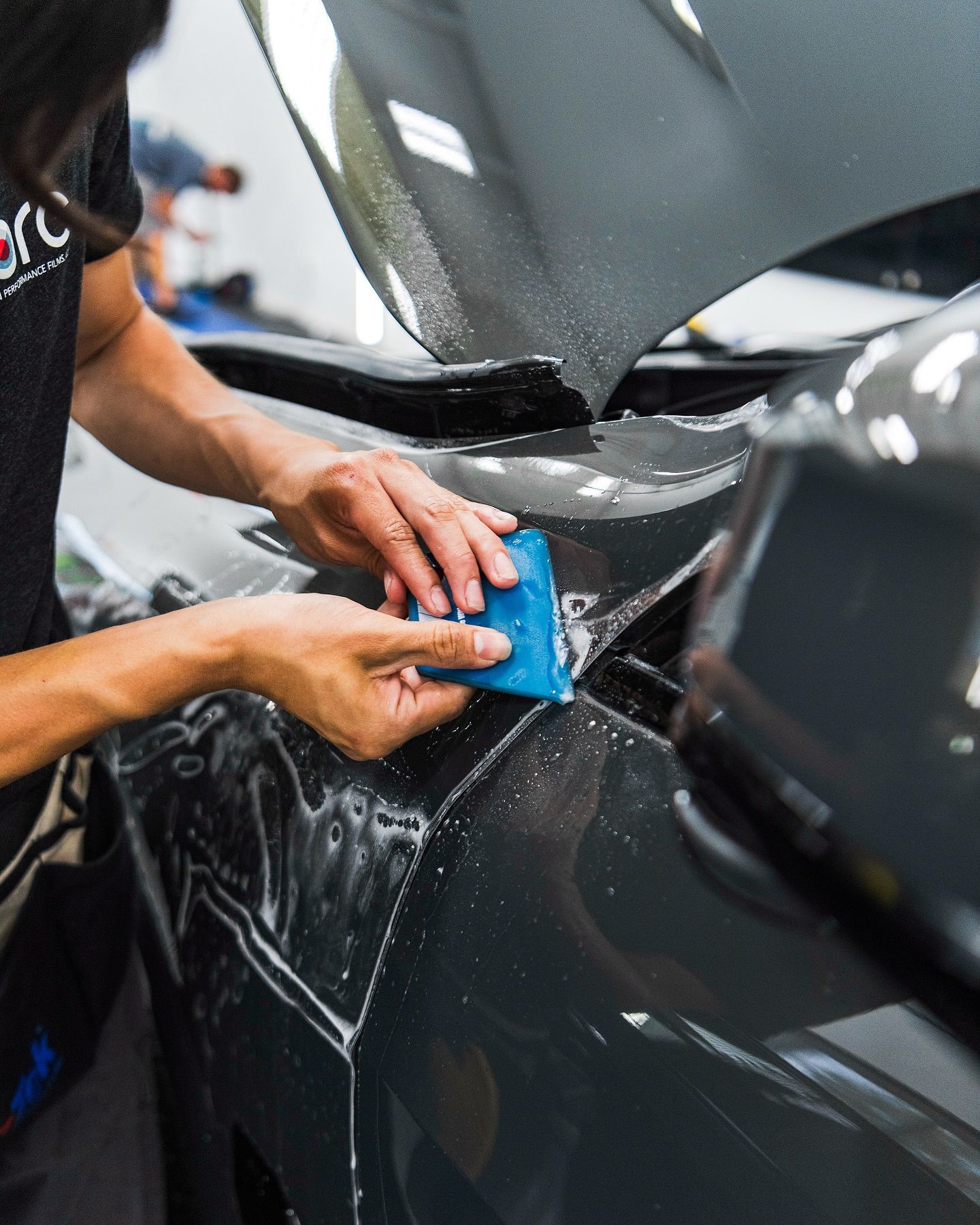
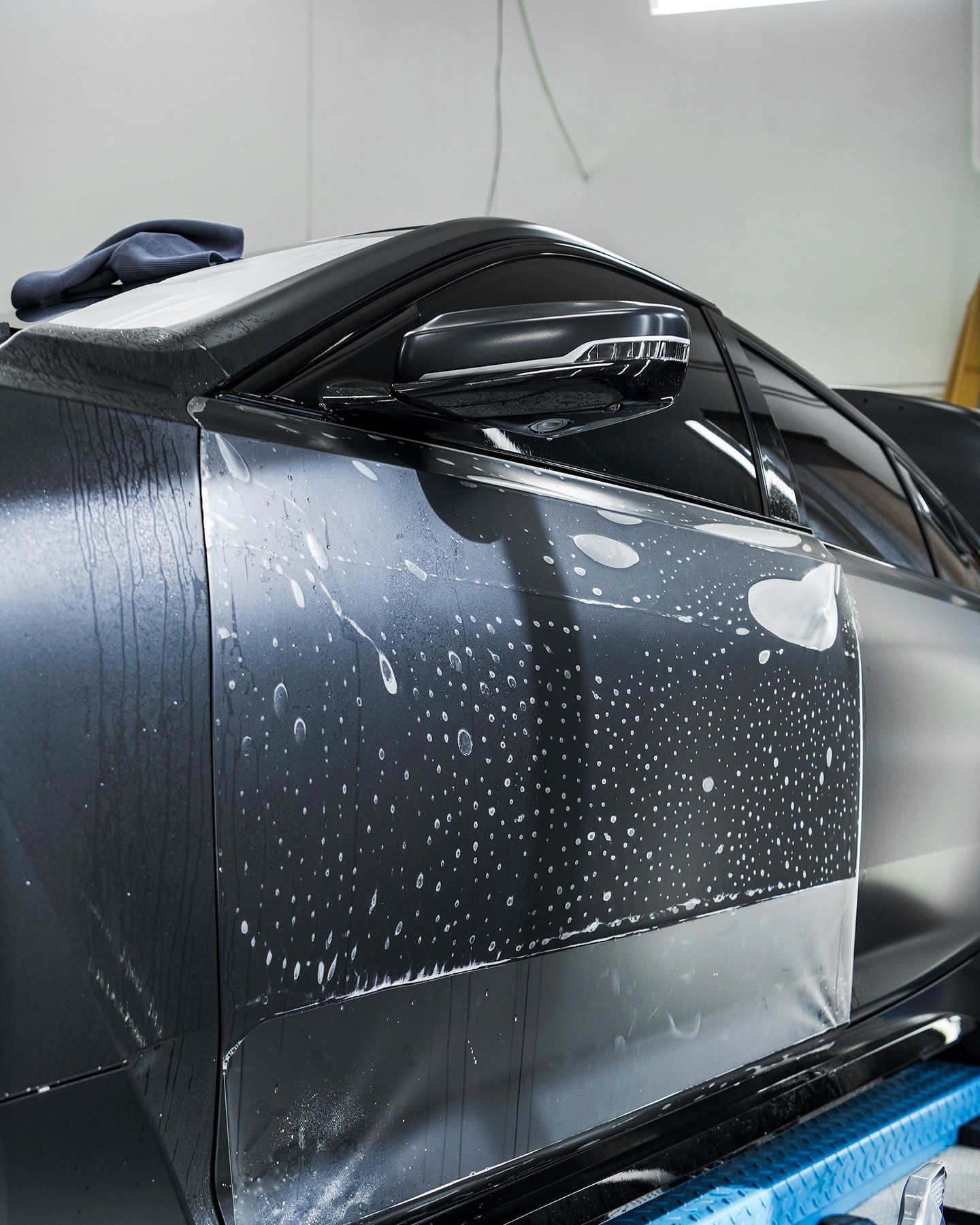
Paint Protection Film is a clear urethane film installed over painted vehicle surfaces to help shield them from everyday damage. It is commonly applied to high-impact areas such as the front bumper, hood, fenders, mirrors, rocker panels, and door edges. Full-body coverage is also available for drivers who want maximum protection.
Quality PPF acts as a sacrificial layer between your factory paint and the hazards of daily driving. Instead of road debris, bug acids, light scratches, and environmental contaminants hitting the paint directly, the film absorbs much of that impact first.
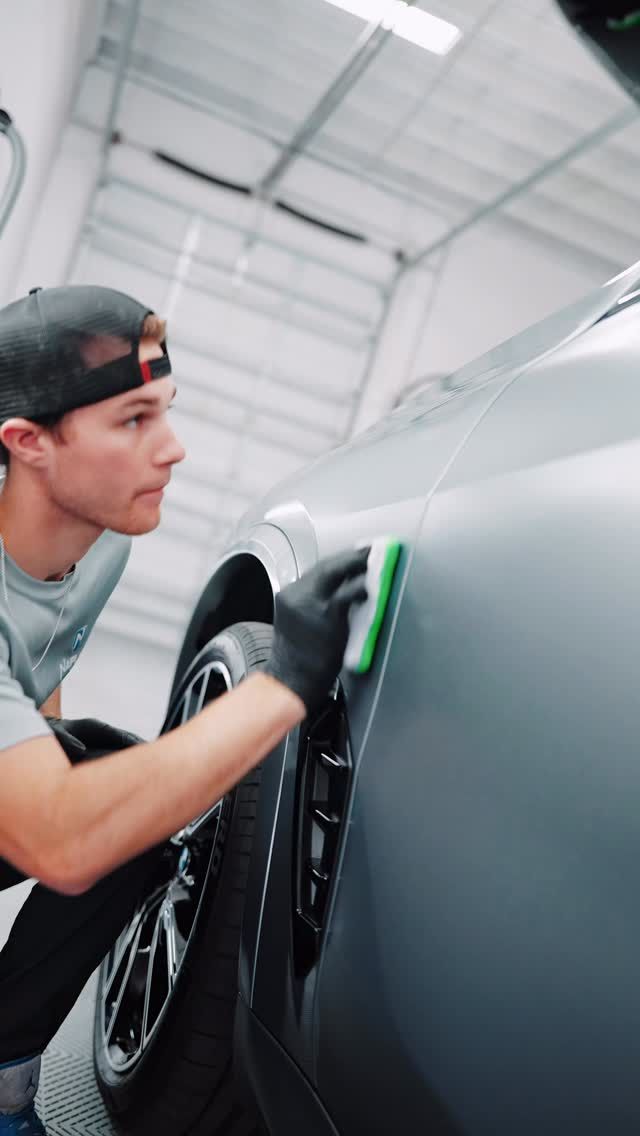
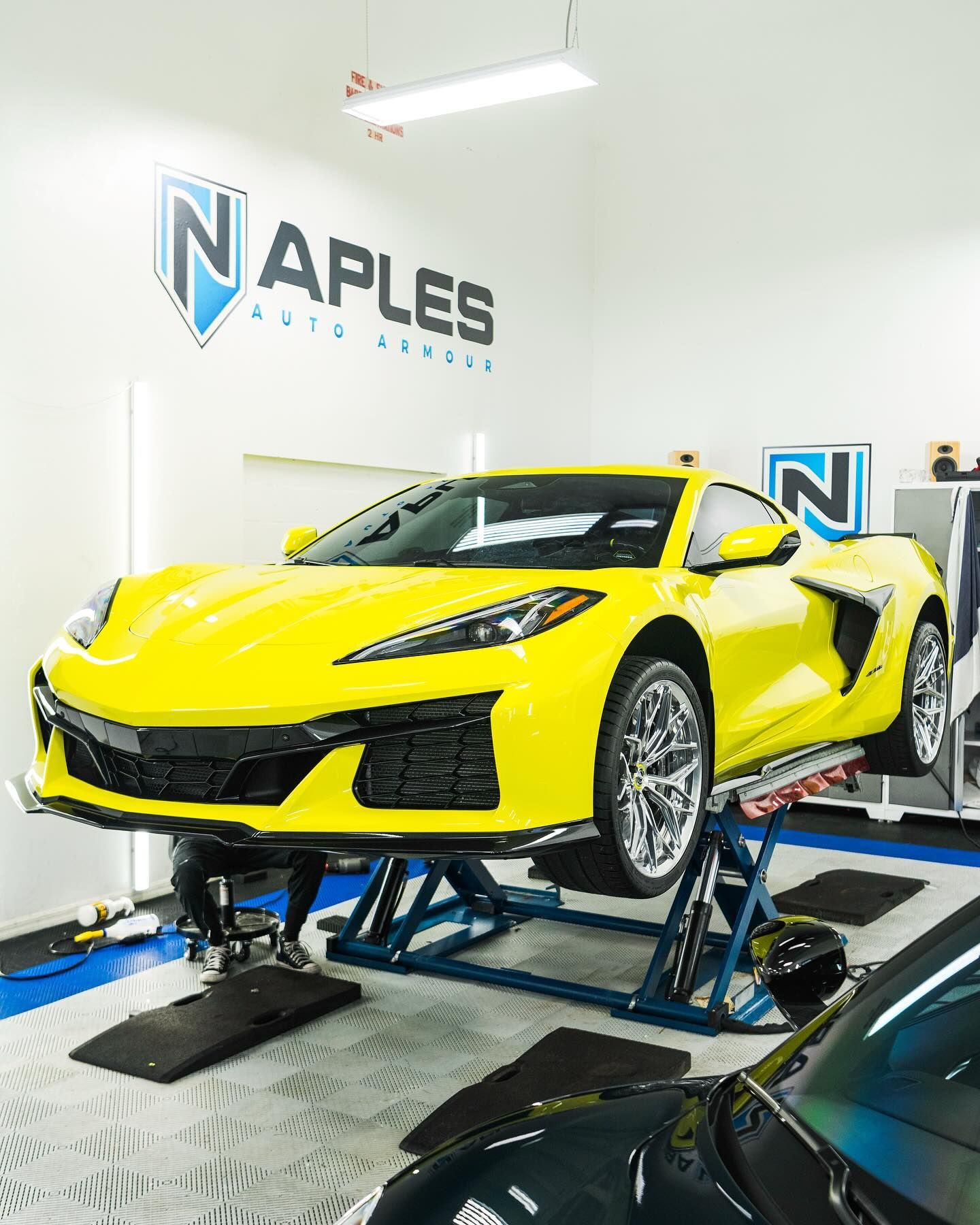
Naples Auto Armour installs high-quality, self-healing Paint Protection Film using a careful approach that combines precision-cut patterns with hand-fit installation techniques. This allows the team to wrap and tuck edges wherever possible, helping create a clean finished appearance and reducing visible dirt buildup along exposed edges.
Modern premium PPF options are designed to be self-healing, stain-resistant, non-yellowing, and backed by manufacturer warranties that can extend up to 10 years. This makes it especially valuable for drivers in Southwest Florida, where heat, sun, humidity, and coastal conditions can accelerate paint wear.
Year 1: Early Paint Damage Begins
The first year without PPF can be misleading because your paint may still look clean from a distance. However, small forms of damage often begin much earlier than many vehicle owners realize.
Every drive exposes your vehicle to sand, gravel, dust, and road debris. At highway speeds, these particles can create tiny chips and scratches on vulnerable panels. At first, these marks may be subtle, but they build over time.
Sun exposure is also a major factor in Naples, Marco Island, and Fort Myers. UV rays gradually weaken the clear coat and fade paint pigments, especially on vehicles parked outdoors for long periods. Bird droppings, tree sap, bug splatter, and hard water spots can also stain or etch unprotected surfaces if not removed quickly.
Even washing can contribute to early paint wear. Automatic car washes with rotating brushes or dirty wash mitts can leave fine swirl marks. Without PPF acting as a protective surface, those marks directly affect the factory paint.
Year 2: Wear Becomes More Visible
By the second year, early damage often becomes easier to see. The finish may look duller, light scratches may appear under direct sunlight, and bug splatter or bird droppings may leave marks that are harder to remove.
UV exposure can also begin breaking down the clear coat more noticeably. Dark-colored vehicles may show this faster because they absorb more heat and light. Once the clear coat starts to weaken, the paint underneath becomes more vulnerable to fading, oxidation, and staining.
This is also when micro-scratches and swirl marks become more obvious. These imperfections can make reflections look hazy instead of sharp and create small areas where moisture and contaminants collect.
Wax or ceramic coatings can help improve gloss and add surface protection, but they do not offer the same impact resistance as PPF. Wax wears away quickly, and coatings are not designed to absorb rock chips. PPF provides a thicker physical barrier against the most common road hazards.
Year 3: Paint Wear Can Become Expensive
By the third year without Paint Protection Film, paint damage often shifts from minor imperfections to more noticeable wear. The vehicle may look older than it actually is, especially in Florida’s sun, humidity, and coastal environment.
Common year-three issues include clear coat oxidation, gloss loss, accumulated chips, deeper scratches, etched stains, and early signs of corrosion around exposed chips. In coastal areas like Naples and Marco Island, salty air can increase the risk of long-term surface damage.
At this stage, simple washing is usually not enough to restore the finish. Many vehicles require paint correction, polishing, touch-up work, or more extensive refinishing depending on the severity of the damage. If the paint is corrected and then protected with PPF, the vehicle can maintain a cleaner appearance moving forward.
This is why many drivers choose to install PPF early, especially on new or high-value vehicles. Protecting the paint before damage sets in is typically easier and more cost-effective than repairing it later.
Environmental Factors That Damage Car Paint
Southwest Florida driving conditions create several challenges for vehicle paint. The most consistent factor is UV exposure. Strong sunlight fades color, reduces gloss, and accelerates oxidation over time.
Bug splatter and bird droppings are also common concerns. Both can be acidic, and when left on hot paint, they may etch into the clear coat. Tree sap can harden quickly in Florida heat, making safe removal more difficult.
Coastal air is another factor for drivers near Naples, Marco Island, and Fort Myers. Salt in the air can settle on vehicle surfaces, especially in humid conditions. Chips and scratches create weak points where contaminants can cause additional damage.
Road debris also plays a major role. Sand, small stones, and loose particles can strike the front end, mirrors, and lower panels during daily driving. PPF helps reduce the impact of these hazards by creating a durable barrier over the paint.
Car Paint With PPF vs. Without PPF
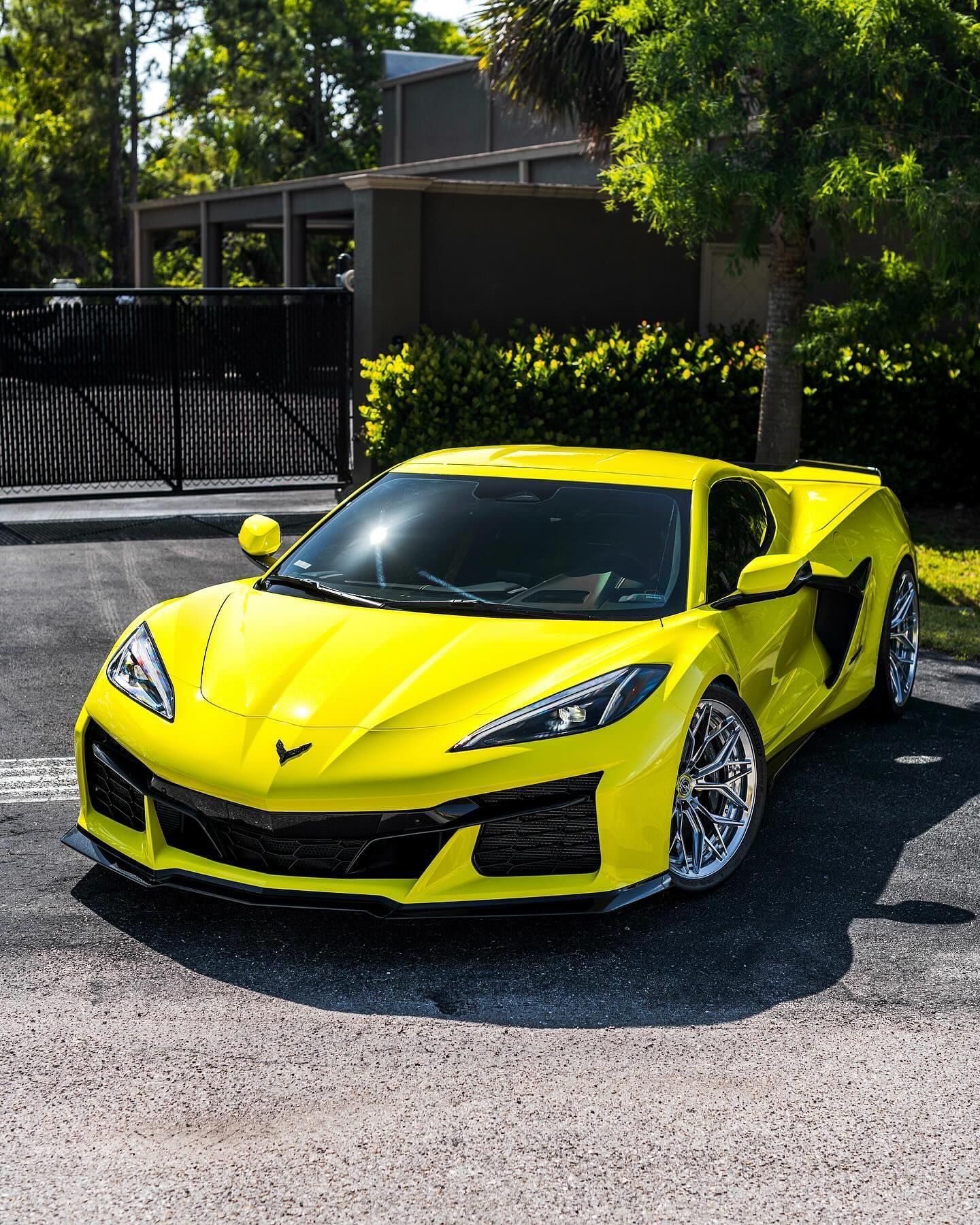
After three years, the difference between a protected vehicle and an unprotected vehicle can be significant. A vehicle with professionally installed PPF is more likely to retain gloss, resist light scratches, and avoid visible rock chips on protected panels.
A vehicle without PPF may show more fading, swirl marks, staining, and paint chips. The front bumper, hood, side mirrors, and lower panels often show the most damage because they receive the highest impact from road debris.
PPF also makes routine maintenance easier. Dirt and grime are less likely to bond directly to the paint, and the film helps reduce the risk of introducing new scratches during washing. With professional edge-wrapped installation techniques, protected panels can maintain a cleaner, more seamless appearance over time.
How to Preserve Your Vehicle’s Paint
Whether or not your vehicle has PPF, proper maintenance matters. Wash your vehicle regularly with a pH-balanced automotive shampoo and clean microfiber towels. Avoid harsh brushes, abrasive towels, and automatic car washes that may carry grit from other vehicles.
Remove bird droppings, bug splatter, and tree sap as soon as possible. These contaminants can stain or etch the surface if left untreated, especially in hot Florida weather.
For vehicles without PPF, wax or sealant can add temporary protection and improve water beading. However, these products require frequent reapplication and do not prevent rock chips. For long-term protection, Paint Protection Film remains the strongest defense against daily wear.
Protect Your Paint With Naples Auto Armour
Your vehicle’s paint is one of the first things people notice, and it plays an important role in long-term value. Without protection, three years of sun, road debris, bug splatter, bird droppings, and coastal exposure can leave visible damage that is difficult and costly to correct.
Naples Auto Armour helps drivers protect their vehicles with professional Paint Protection Film installation in Naples, FL. If you want to preserve your vehicle’s finish and keep it looking newer for longer, contact Naples Auto Armour today to discuss the right PPF coverage for your car.
FAQs About Paint Protection Film
What types of damage affect unprotected car paint within three years?
Unprotected paint commonly develops UV fading, swirl marks, rock chips, etched stains, and gloss loss within three years. The damage is often more noticeable in sunny and coastal areas like Naples, Marco Island, and Fort Myers.
Can waxing replace Paint Protection Film?
Wax can add short-term gloss and surface protection, but it cannot replace PPF. Paint Protection Film provides a thicker barrier that helps protect against rock chips, scratches, bug splatter, and UV-related wear.
Is PPF worth it for new vehicles?
Yes, PPF is often most valuable when installed early. Protecting new paint before chips, stains, and fading appear helps preserve the vehicle’s appearance and supports long-term resale value.
What areas of the vehicle should be protected first?
The most important areas are usually the front bumper, hood, fenders, side mirrors, rocker panels, and door edges. These sections receive the most impact from road debris and daily driving.
Does Naples Auto Armour install Paint Protection Film?
Yes. Naples Auto Armour installs high-quality Paint Protection Film using professional techniques designed to create a clean appearance and long-lasting protection.
Naples Auto Armor Blog