How Ceramic Coating Reacts to Harsh Cleaning Chemicals: Damage, Protection, and Maintenance Guide
Ceramic coatings are one of the most effective ways to protect your vehicle's paint and maintain a deep, glossy finish. However, many vehicle owners wonder whether harsh cleaning chemicals can damage ceramic coatings and reduce their performance over time.
Can Harsh Cleaning Chemicals Damage Ceramic Coatings?
Yes. Harsh chemicals such as bleach, ammonia, acidic cleaners, and strong degreasers can gradually break down ceramic coatings. Repeated exposure may reduce water repellency, diminish gloss, and shorten the lifespan of the coating. Using pH-neutral products designed for ceramic-coated vehicles is the best way to maintain long-term protection.
For drivers in Naples, Marco Island, and Fort Myers, protecting a ceramic coating is especially important due to intense UV exposure, humidity, salt air, and seasonal storms that constantly challenge your vehicle's finish.
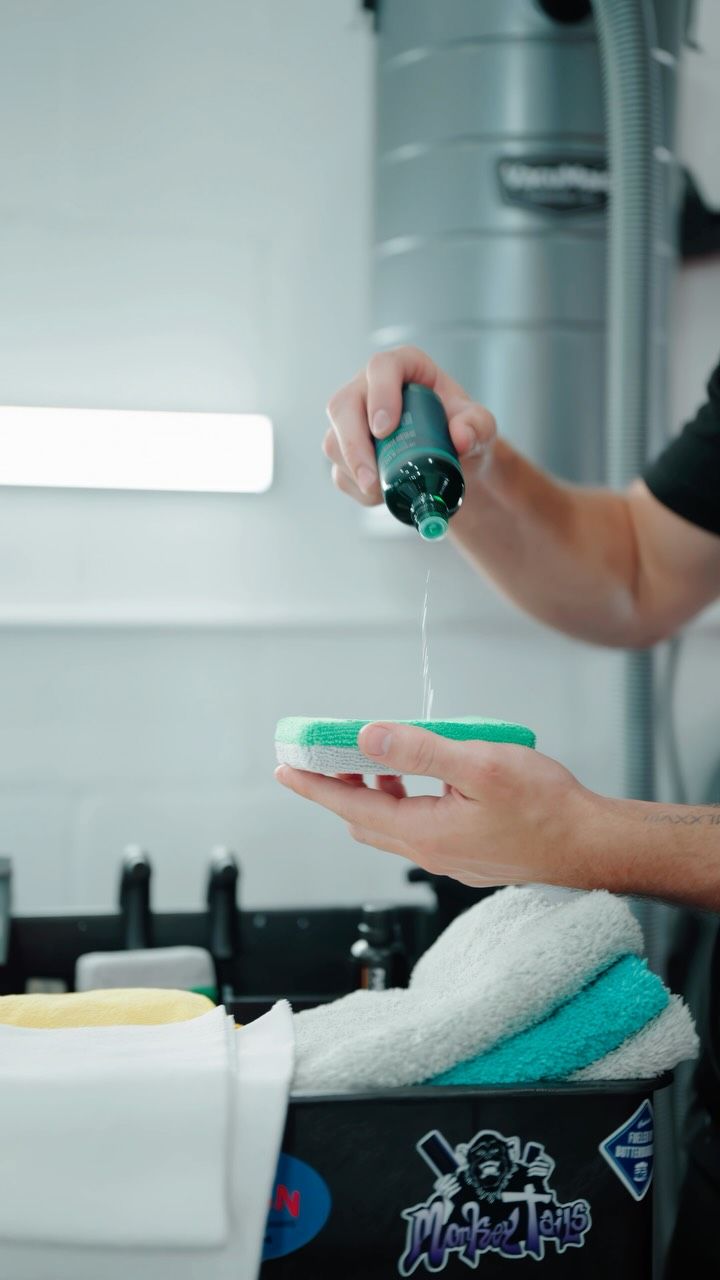
Understanding How Ceramic Coatings Protect Your Vehicle
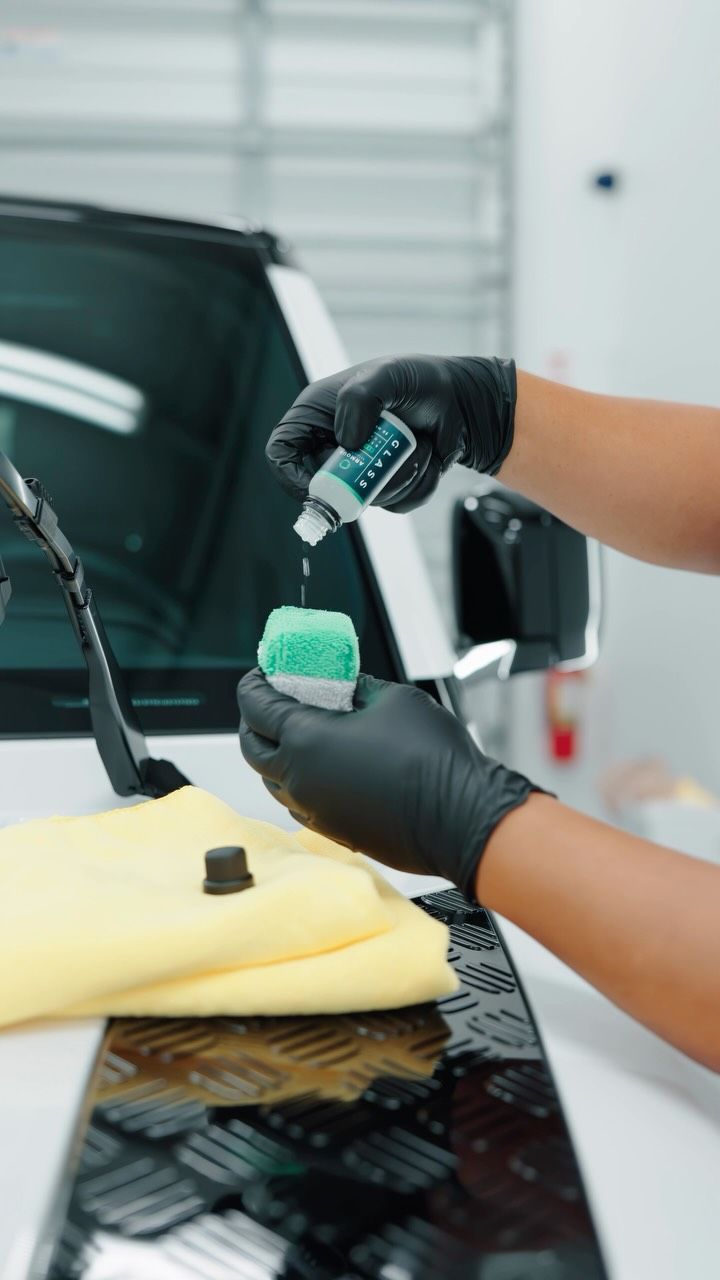
A ceramic coating is a liquid polymer containing advanced nano-ceramic technology that bonds to your vehicle's paint. Once cured, it forms a durable protective layer that helps shield the surface from environmental contaminants and everyday wear.
Some of the primary benefits include:
| Protective Feature | Benefit |
|---|---|
| UV Protection | Helps reduce oxidation and fading |
| Chemical Resistance | Protects against bird droppings, tree sap, and acid rain |
| Water Repellency | Creates water-beading properties that help keep surfaces cleaner |
| Enhanced Gloss | Maintains a deep, reflective finish |
| Easier Maintenance | Reduces dirt buildup and simplifies washing |
Many professional ceramic coatings are marketed with a 9H hardness rating, providing additional resistance against minor surface imperfections and environmental damage.
While ceramic coatings offer exceptional protection, they still require proper care to perform at their best.
How Harsh Cleaning Chemicals Damage Ceramic Coatings
One of the most common causes of premature coating failure is the use of inappropriate cleaning products.
Ceramic coatings are engineered to withstand normal environmental contaminants, but aggressive chemicals can gradually weaken the coating's protective structure. Products containing ammonia, bleach, strong solvents, or highly acidic ingredients may strip away protective properties and accelerate wear.
Common signs of chemical damage include:
- Reduced water beading
- Dull or faded appearance
- Surface staining
- Increased dirt buildup
- Loss of slickness
- Uneven gloss levels
At Naples Auto Armour, we frequently inspect vehicles that have experienced reduced coating performance due to the use of household cleaners or automatic car wash chemicals that were not designed for ceramic-coated surfaces.
Common Household Products That Can Harm Ceramic Coatings
Many vehicle owners unknowingly use products that can negatively impact ceramic coatings.
Avoid using:
- Bleach-based cleaners
- Ammonia-based glass cleaners
- Oven cleaners
- Heavy-duty degreasers
- Concentrated vinegar solutions
- Abrasive scrubbing compounds
- Strong alkaline detergents
While these products may be effective for household cleaning, they can compromise the silicon dioxide (SiO2) structure that gives ceramic coatings their durability and water-repelling performance.
If you are ever unsure whether a product is coating-safe, consult a professional ceramic coating installer before use.
Ceramic Coatings vs. Traditional Wax
Many drivers wonder whether ceramic coatings are truly worth the investment compared to traditional wax.
The difference comes down to durability, protection, and maintenance.
| Feature | Traditional Wax | Ceramic Coating |
|---|---|---|
| Longevity | 4 to 6 weeks | Several years with proper care |
| UV Protection | Limited | Advanced protection |
| Chemical Resistance | Minimal | Strong resistance |
| Water Repellency | Moderate | Excellent |
| Maintenance | Frequent reapplication | Minimal upkeep |
| Gloss Retention | Short-term | Long-lasting shine |
Southwest Florida's intense sunlight, humidity, and coastal environment can quickly break down traditional waxes. Ceramic coatings provide significantly longer-lasting protection, making them a practical investment for local vehicle owners.
Best Practices for Maintaining a Ceramic Coating
Routine maintenance is the key to maximizing coating lifespan.
To protect your investment:
Wash Every Two Weeks
Regular washing removes contaminants before they can bond to the surface.
Use a pH-neutral automotive shampoo specifically designed for ceramic-coated vehicles.
Use the Two-Bucket Method
The two-bucket washing method helps minimize swirl marks and micro-scratches.
One bucket should contain clean rinse water while the other contains your wash solution.
Choose Quality Wash Tools
Soft microfiber towels and microfiber wash mitts help lift contaminants safely without scratching the surface.
Avoid Automatic Brush Washes
Brush-style automatic car washes can create swirl marks and gradually reduce coating performance.
Whenever possible, choose touchless washes or hand washing.
Monitor Water Beading Performance
One of the easiest ways to evaluate coating health is by observing how water behaves on the surface.
If water no longer beads effectively or the finish begins to look dull, it may be time for a professional inspection.
Recommended Cleaners for Ceramic-Coated Vehicles
Using the correct products can significantly extend the life of your ceramic coating.
pH-Neutral Car Shampoos
pH-neutral soaps clean effectively without damaging the protective layer.
Look for products specifically labeled as safe for ceramic-coated vehicles.
Ceramic Maintenance Sprays
Maintenance sprays help refresh gloss and reinforce water-repelling properties between washes.
These products can help maintain the coating's appearance and performance after routine cleaning.
Waterless Wash Products
For light dust and fingerprints, waterless wash products designed for coated vehicles offer a safe cleaning option when traditional washing is not practical.
Avoid using generic household cleaners as substitutes.
Long-Term Ceramic Coating Care
Ceramic coatings are designed for long-term performance, but regular care remains essential.
We recommend:
| Maintenance Task | Frequency |
|---|---|
| Hand Wash | Every 2 weeks |
| Coating Inspection | Every 3 to 6 months |
| Maintenance Treatment | Annually, as needed |
| Reapplication | Every 1 to 3 years depending on usage |
Vehicle storage also plays an important role. Whenever possible, park in a garage or shaded area to reduce prolonged UV exposure. For outdoor parking, a high-quality car cover can help protect against bird droppings, tree sap, and environmental contaminants.
Protect Your Ceramic Coating with Professional Care
Ceramic coatings provide exceptional protection, but harsh cleaning chemicals can significantly reduce their effectiveness when the wrong products are used.
By following proper washing practices, choosing pH-neutral cleaners, and scheduling periodic professional inspections, you can preserve your coating's gloss, durability, and protective benefits for years.
At Naples Auto Armour, we help vehicle owners throughout Naples, Marco Island, and Fort Myers protect their investment with professional ceramic coating installation, maintenance, and detailing services.
If your ceramic coating is no longer performing as expected or you would like expert guidance on maintaining your vehicle's finish,
contact Naples Auto Armour today at (239) 378-2336 to schedule a consultation.
Naples Auto Armor Blog