Science Behind Window Tinting: How Technology Enhances Heat Reduction and UV Protection
When most people think about window tinting, they picture darker windows that improve style and privacy. While those benefits are real, modern window tinting technology delivers far more than aesthetic upgrades. Today’s advanced tint films are engineered with nanotechnology, infrared-blocking ceramics, and UV-filtering materials that protect your vehicle, enhance comfort, and improve long-term value. Drivers in hot regions like Naples, Marco Island, and Fort Myers rely on high-performance ceramic tint not just for style—but for meaningful heat reduction, UV protection, and a better driving experience year-round.
Understanding how window tint works helps reveal why choosing the right film matters and why premium ceramic window tinting has become the standard for Florida drivers who want comfort, protection, and long-lasting performance.
How Modern Window Tinting Works
Window tinting begins with a thin, durable polyester film that is applied to the interior side of your vehicle’s glass. This film acts as the foundation for various coatings and technologies that determine how the tint performs. While older tints simply used dyes to darken the window, today’s films incorporate advanced layers made from carbon, metalized particles, or nano-ceramic technology. These materials are engineered to manage how light and heat pass through the glass without reducing visibility.
The key to modern tint performance lies in how these layers interact with sunlight. Visible light, infrared heat, and ultraviolet radiation each behave differently, and quality films are designed to target them individually. Ceramic tint, in particular, uses microscopic ceramic particles that absorb and disperse solar energy without blocking radio or electronic signals—a major advantage over older metalized tint options.
Because Florida drivers face intense sunlight nearly year-round, heat and UV protection aren’t just nice-to-have features—they’re essential. Modern ceramic tint films block up to 99 percent of UV rays and reject significant amounts of infrared heat, helping maintain a cooler interior, reducing glare, improving safety, and extending the life of your vehicle’s upholstery, dashboard, and electronic systems.
Professional Window Tint Installation: Why Skill Matters
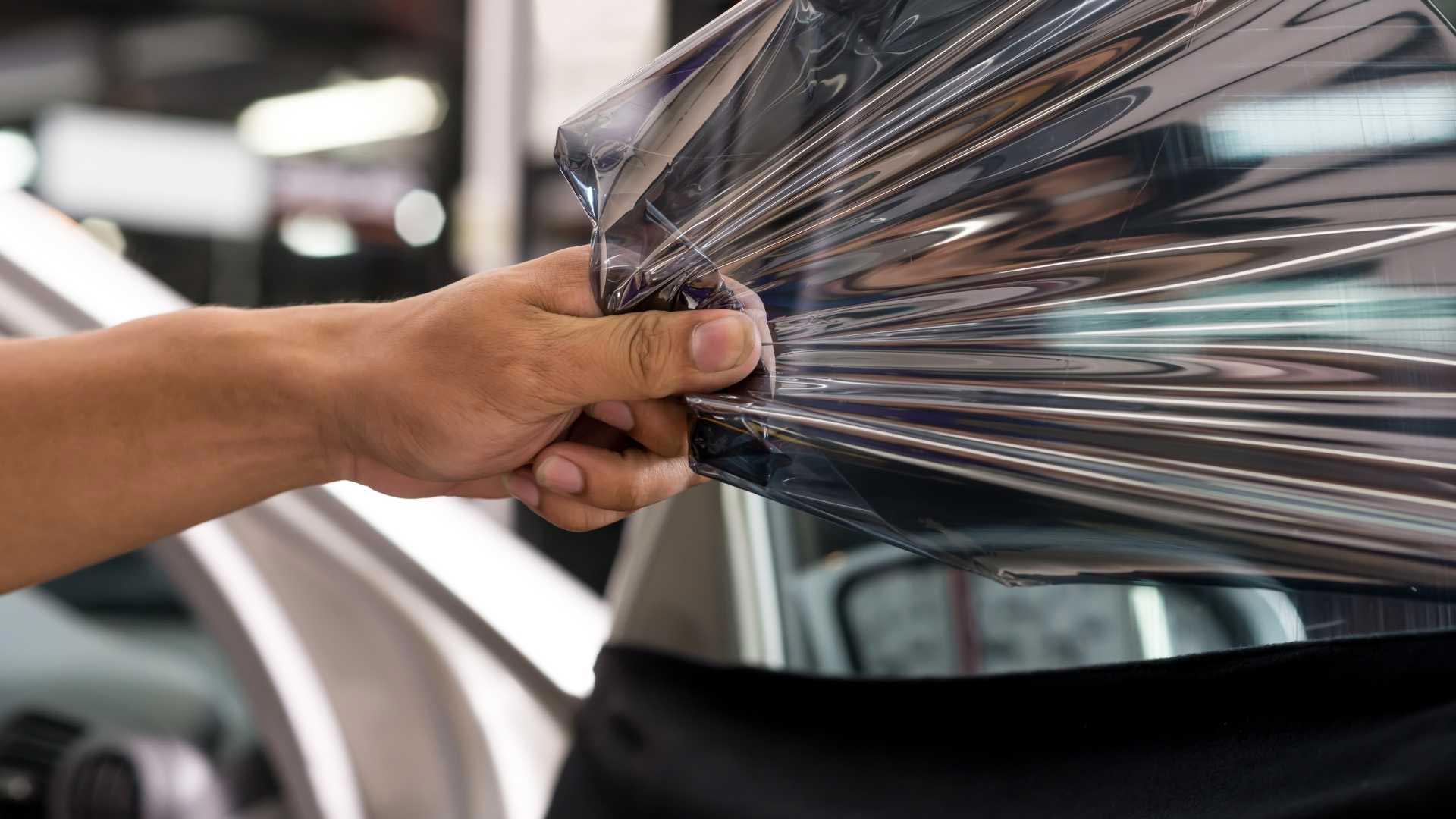
High-quality tinting begins long before film touches the glass. A professional installer follows a precise, methodical process to ensure the tint performs as intended for years to come. Every installation begins with thorough cleaning to remove dirt, oils, and contaminants. Even microscopic debris left behind can cause bubbling, peeling, or distortion, which affects both aesthetics and visibility.
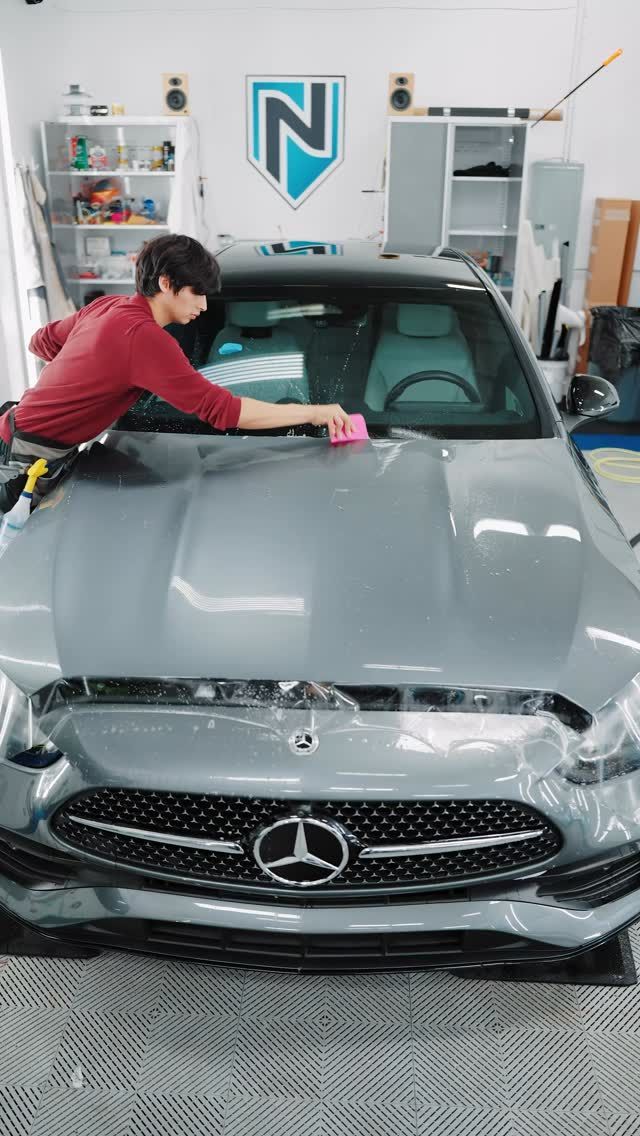
Once the surface is clean, the installer uses a special solution that acts as a lubricant. This allows the film to glide into the perfect position before it adheres. The film is carefully cut to match the exact window shape, and accurate cutting is crucial—misalignment by even a millimeter can expose edges or create tension points that shorten the film’s lifespan.
After the film is placed, the installer removes air pockets and excess moisture with professional-grade squeegees. This step creates a seamless bond between the tint and the glass. The adhesion process may take several days to fully cure, especially in humid climates like Southwest Florida. Understanding how installation works helps vehicle owners appreciate why expertise, high-quality tools, and premium film all play essential roles in long-term results.
The Evolution of Tint: From Dyed Films to Nano-Ceramic Technology
Window tint technology has advanced dramatically over the last decade. While dyed films once dominated the market because of their low cost, they offer minimal heat rejection and tend to fade, bubble, or discolor over time—particularly in hot climates like Naples and Fort Myers.
Metalized films offered an upgrade by adding thin layers of metal that reflect heat. While they provide stronger heat protection than dyed films, the metallic elements often interfere with phone reception, GPS, and radio signals. This became more noticeable as modern vehicles integrated more connected systems.
Ceramic window film emerged as the premium solution thanks to its superior clarity, heat rejection, and durability. Ceramic particles embedded within the film target infrared radiation, the primary cause of interior heat buildup. Unlike metalized tint, ceramic films do not disrupt electronic signals. This makes them ideal for today’s vehicles, which rely heavily on advanced technology, navigation, Bluetooth, and integrated digital systems.
Because ceramic tint maintains optical clarity while blocking significant heat and virtually all UV radiation, it has become the preferred choice for drivers who want maximum comfort, performance, and longevity—especially in high-sun regions like Southwest Florida.
Why Ceramic Window Tint Is the Premium Choice in Southwest Florida
Florida vehicles face unusually harsh conditions. High UV exposure, extreme summer heat, and consistent sunlight make standard tint options insufficient for long-term protection. Ceramic tint addresses these challenges through advanced performance capabilities that dyed and metalized films cannot match.
Ceramic tint can reject 50 to 70 percent of total solar heat while still allowing excellent visibility, especially at night. This ensures that your cabin stays cooler even when your vehicle is parked in direct sunlight. The heat rejection helps reduce the strain on your air conditioning system, lowering energy consumption and improving your overall fuel efficiency—an important benefit during long commutes or frequent travel between Naples, Marco Island, and Fort Myers.
Ceramic films are also extremely stable, meaning they won't fade, discolor, or turn purple over time. They maintain their clarity and performance for years, often outlasting the vehicle itself. This durability makes them a smarter long-term investment than cheaper tinting options.
How Window Tinting Protects Against Harmful UV Radiation
One of the strongest reasons drivers choose window tinting is UV protection. Ultraviolet radiation is responsible for skin aging, sunburn, and increased risk of skin cancer. Vehicle windows, especially side windows, do not block most UVA rays naturally—meaning your skin is exposed every time you drive.
High-quality ceramic window tint blocks up to 99 percent of UV rays, creating a protective barrier inside your vehicle. This is especially valuable for families with children, individuals with sensitive skin, and anyone who spends significant time behind the wheel in Southwest Florida’s intense sunlight.
UV protection also preserves your vehicle’s interior. Without tint, prolonged UV exposure causes upholstery to fade, dashboards to crack, leather surfaces to dry and deteriorate, and plastics to become brittle. Professional ceramic tint prevents these aging effects by minimizing light and heat penetration. Over time, this significantly reduces interior repair costs and helps maintain resale value.
Heat Rejection: The Technology That Keeps Your Car Cooler
Heat control is one of the most noticeable improvements drivers experience after installing ceramic window tint. In regions like Naples and Fort Myers—where summer temperatures can feel unbearable—the difference is transformative.
Ceramic films are engineered to target infrared (IR) radiation, which is responsible for the majority of heat entering your vehicle. By absorbing and dispersing this IR energy before it penetrates the cabin, ceramic tint can reduce interior temperatures by as much as 20 degrees Fahrenheit. This leads to immediate comfort when entering your vehicle and reduces the need to blast your air conditioning at maximum settings.
Infrared-blocking tint does more than increase comfort. It helps reduce fuel consumption by decreasing AC usage, which in turn reduces engine load. This becomes an important factor during long summer months and benefits anyone who drives frequently through Florida’s urban and coastal areas.
Because ceramic tint does not rely on metallic components, it retains strong heat-blocking capability without interfering with electronic systems. This ensures your smartphone, GPS, Bluetooth, and onboard vehicle tech remain fully functional at all times.
Energy Efficiency Advantages of Ceramic Tint
Reducing heat inside your vehicle directly affects how hard your air conditioning system needs to work. In hot locations like Naples or Marco Island, your AC operates constantly to keep your cabin at a comfortable temperature. Ceramic tint reduces that workload by blocking heat before it enters the vehicle.
Less strain on your AC system means improved fuel efficiency. Even a moderate reduction in AC usage can lead to measurable savings over time. This efficiency also helps reduce wear on your AC components, which may extend system lifespan and minimize costly repairs.
Ceramic tint also contributes to environmental sustainability. By reducing energy consumption, you lower your vehicle’s carbon footprint—an added benefit for eco-conscious drivers.
These advantages continue long after installation, especially when the tint is properly maintained and kept in good condition.
How to Maintain Your Window Tint for Maximum Longevity
Proper maintenance ensures your window tint performs at peak efficiency and maintains a clean, clear appearance for years. While ceramic tint is extremely durable, the wrong cleaning products or techniques can still damage the film.
Use mild soap and water when cleaning, and avoid any products containing ammonia, alcohol, or abrasive chemicals. These can discolor the film or weaken the adhesive layer. A soft microfiber cloth is the safest option for wiping tinted surfaces, as it lifts dirt without scratching the film.
Clean windows when they are cool to the touch. Applying cleaning solutions to hot glass can cause streaking or residue that reduces clarity. Wipe gently from the center outward to avoid pushing debris toward the edges, where it could lift the tint.
Inspect your tint regularly. Look for early signs of bubbling, corner lifting, or discoloration. These issues often start small but can worsen if not addressed. If you notice any damage, consult a professional installer rather than attempting a DIY repair that might void the film’s warranty.
Environmental factors in Southwest Florida—particularly heat, humidity, and exposure to salt air near coastal regions—can influence tint longevity. With proper maintenance, high-quality ceramic films can last well over a decade while maintaining performance and appearance.
Why Naples Auto Armour Uses Only Ceramic High-Heat-Rejection Films
Not all tint films offer the same level of performance. At Naples Auto Armour, ceramic high-heat-rejection films are the only window tinting option we install—because they consistently deliver the best results for Florida drivers.
Our ceramic tint films provide superior UV protection, outstanding heat rejection, long-term durability, and exceptional clarity. They are designed specifically for hot climates and are engineered to resist fading, bubbling, or degrading under intense sunlight. Most importantly, they do not interfere with your vehicle’s electronics or wireless systems, which is essential for modern vehicles.
We also ensure every installation meets Florida’s window tinting laws, including the required visible light transmission limits. This helps keep you safe, compliant, and protected from unnecessary fines.
At Naples Auto Armour, we take pride in offering professional-grade solutions backed by expert installation and long-term customer support. The goal is simple: deliver protection, comfort, and quality that last.
Experience Superior Window Protection with Naples Auto Armour
Understanding the science and benefits behind advanced window tinting helps highlight why ceramic films have become the preferred choice for drivers in Naples, Marco Island, and Fort Myers. With unmatched heat rejection, UV protection, durability, and clarity, ceramic tint provides both immediate and long-lasting value.
If you're ready to enhance your driving experience with superior window protection, Naples Auto Armour is here to help. Our team delivers premium ceramic tint installations designed to optimize comfort, safeguard your vehicle, and maintain a sleek, seamless appearance.
Call Naples Auto Armour at (239) 378-2336 or visit
naplesautoarmour.com/contact to schedule your installation. Let our experienced professionals provide the high-performance window protection your vehicle deserves.
Naples Auto Armor Blog