What Causes Small Air Pockets or Silver-Looking Areas Under PPF?
If you notice small bubbles, cloudy spots, or silver-looking areas under your paint protection film (PPF), it does not always mean the installation failed. In many cases, these issues are a normal part of the curing process as moisture, slip solution, and air trapped beneath the film gradually disappear.
However, some PPF bubbles or hazy areas can be caused by installation issues, contamination, or improper application techniques. Understanding the difference between normal curing and a potential defect can help you determine when to wait and when to have your film inspected by a professional installer.
At Naples Auto Armour, we help vehicle owners throughout Naples, Marco Island, Bonita Springs, Estero, and Fort Myers understand PPF concerns and maintain the long-term appearance of their vehicles. Our team installs professional paint protection film designed to protect vehicle paint from road debris, environmental contaminants, and everyday wear.
Are Small Bubbles Under PPF Normal?
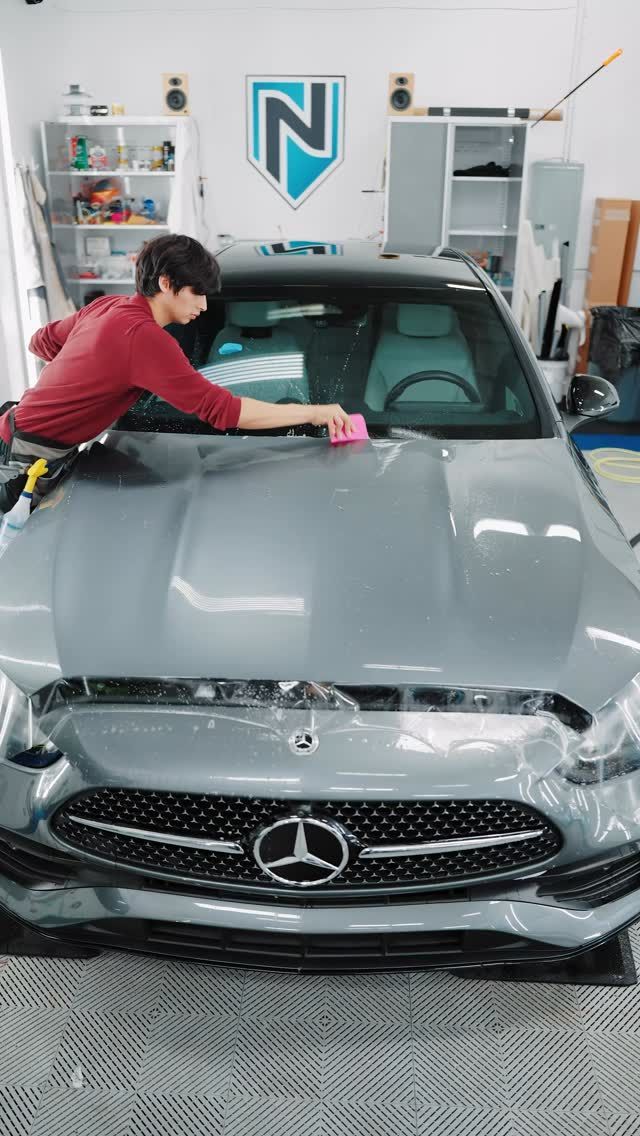
Small air pockets, bubbles, and silver-looking areas under paint protection film are often caused by trapped moisture, installation solution, or minor particles between the film and the vehicle surface. During installation, professionals use a slip solution that allows the film to be positioned correctly before the adhesive fully bonds.
After installation, the remaining moisture slowly works its way out as the film cures. Depending on weather conditions, vehicle location, and installation environment, some haze or small pockets may take several days or even a few weeks to fully disappear.
However, bubbles that continue growing, areas that remain unchanged after the curing period, or edges that begin lifting should be inspected by an experienced PPF installer.
What Causes Bubbles or Air Pockets Under Paint Protection Film?
One of the most common causes of PPF bubbles is contamination beneath the film. Dust, road residue, polishing oils, wax, and other surface contaminants can prevent the adhesive from making complete contact with the vehicle’s paint.
Proper preparation is one of the most important parts of a successful PPF installation. At Naples Auto Armour, our process includes washing, decontamination, paint inspection, and correction when necessary before applying the film. This helps create a clean surface where the adhesive can properly bond.
Installation technique also plays an important role. Uneven squeegee pressure, rushing through difficult areas, or failing to properly work the film around curves and edges can leave trapped solution or air pockets behind.
Areas such as bumpers, mirrors, door handles, and body curves require careful handling because the film must be positioned and stretched correctly without creating unnecessary tension.
Why Silver-Looking Areas Appear Under PPF
Silvering is a common term used to describe cloudy, milky, or silver-looking areas beneath paint protection film. This appearance usually occurs when light reflects differently through trapped moisture, microscopic gaps, or remaining installation solution.
During installation, the film is applied with a water-based slip solution that helps the installer position the material accurately. Some moisture may remain underneath temporarily while the adhesive continues bonding to the paint.
As the film cures, this appearance typically becomes less noticeable. Warmer temperatures and proper exposure to natural conditions can help the remaining moisture evaporate.
If silvering does not improve over time, the issue may be related to contamination, improper installation, or incomplete adhesive contact and should be evaluated by a professional.
How Southwest Florida Weather Can Affect PPF Curing
Vehicle owners in Naples, Marco Island, Bonita Springs, Estero, and Fort Myers experience unique environmental conditions that can affect how quickly paint protection film cures.
Florida’s humidity can slow moisture evaporation under the film, meaning some vehicles may require additional curing time compared to vehicles installed in drier climates. A vehicle installed during humid summer conditions may take longer to fully clear than one installed during cooler months.
Direct sunlight and heat exposure can also temporarily change how the film looks during the curing process. This is why professional installers recommend allowing freshly installed PPF time to settle before washing, handling, or evaluating the final appearance.
Naples Auto Armour installs PPF in a controlled environment to help improve consistency and reduce installation-related issues.
Common Installation Issues That Cause PPF Problems
Several installation factors can contribute to persistent bubbles, haze, or lifting:
- Poor surface preparation that leaves contaminants beneath the film
- Uneven squeegee pressure during installation
- Incorrect stretching when applying film around curves
- Improper heat application during installation
- Insufficient time spent allowing solution to move out from beneath the film
A vehicle may look perfect immediately after installation but develop visible imperfections later as the curing process continues. This is why proper installation methods and experienced technicians matter when choosing a PPF provider.
The Importance of Proper PPF Preparation
A high-quality paint protection film installation begins before the film ever touches the vehicle.
The preparation process typically includes:
- Hand washing the vehicle to remove surface dirt and debris
- Chemical and mechanical decontamination to remove bonded contaminants
- Inspecting the paint under proper lighting
- Completing paint correction when necessary
- Removing polishing oils and residue before installation
- Applying the film in a controlled environment
Any imperfections left on the surface before installation may become more noticeable once covered by transparent film. Proper preparation helps ensure the film bonds evenly and provides the clean appearance vehicle owners expect.
Can PPF Bubbles Be Fixed?
The best solution depends on what is causing the issue. Small areas of trapped moisture may resolve naturally as the film continues curing. Attempting to puncture bubbles, press aggressively on the film, or apply household heat can permanently damage the material.
If correction is needed, a professional installer can determine whether the film can be adjusted, reseated, or whether a section needs replacement.
At Naples Auto Armour, we inspect PPF concerns carefully to determine whether the issue is normal curing or something that requires correction.
When Should You Have Your PPF Inspected?
You should contact a professional installer if you notice:
- Bubbles that increase in size over time
- Silver or cloudy areas that do not improve after several weeks
- Film edges lifting, rolling, or collecting dirt
- New defects appearing long after installation
Addressing these issues early can help prevent further damage and maintain the appearance of your vehicle’s protection system.
Professional PPF Installation in Naples, FL
Naples Auto Armour installs premium paint protection film, which offers self-healing technology, non-yellowing performance, and long-term manufacturer protection. Our team focuses on precise installation techniques, including wrapping and tucking edges where possible for a cleaner appearance.
Whether you are noticing bubbles under existing PPF or considering protection for a new vehicle, our team can help you understand your options and recommend the right solution.
Contact Naples Auto Armour today at
(239) 378-2336 to schedule a consultation and learn more about professional paint protection film installation in Naples, Marco Island, and surrounding Southwest Florida communities.
Naples Auto Armor Blog