Why Two Window Tints With the Same Darkness Can Look Different
Two automotive window films can have the same listed darkness and still look noticeably different after installation. Visible Light Transmission, commonly called VLT, tells you how much visible light passes through the film and glass. It does not fully describe the film’s color, reflectivity, clarity, heat rejection, or appearance under changing light.
The vehicle’s original glass also affects the final result. A window tint installed on clear factory glass may look different from the same film applied over glass that already has a slight color or factory privacy treatment.
For vehicle owners in Naples, Marco Island, and Fort Myers, choosing tint based only on darkness can lead to unexpected results. Naples Auto Armour helps customers compare appearance, comfort, and performance before selecting a ceramic window film.
Key takeaway: Matching VLT percentages do not guarantee matching appearance. Film construction, color tone, reflectivity, factory glass, lighting, and installation quality all influence the finished look.
What Does Window Tint VLT Mean?
VLT represents the percentage of visible light that passes through a window. A higher percentage allows more visible light through, while a lower percentage creates a darker appearance.
However, the film’s listed percentage is not always the same as the final VLT of the installed window. Automotive glass is not completely clear and may already reduce some visible light. When tint is applied, the film and factory glass work together to determine the final measurement.
This is why a film sample should be evaluated on glass whenever possible. Looking at an uninstalled sample in a showroom does not always reveal how it will appear on a specific vehicle.
VLT is useful when comparing darkness, but it does not explain every visual or performance difference between films.
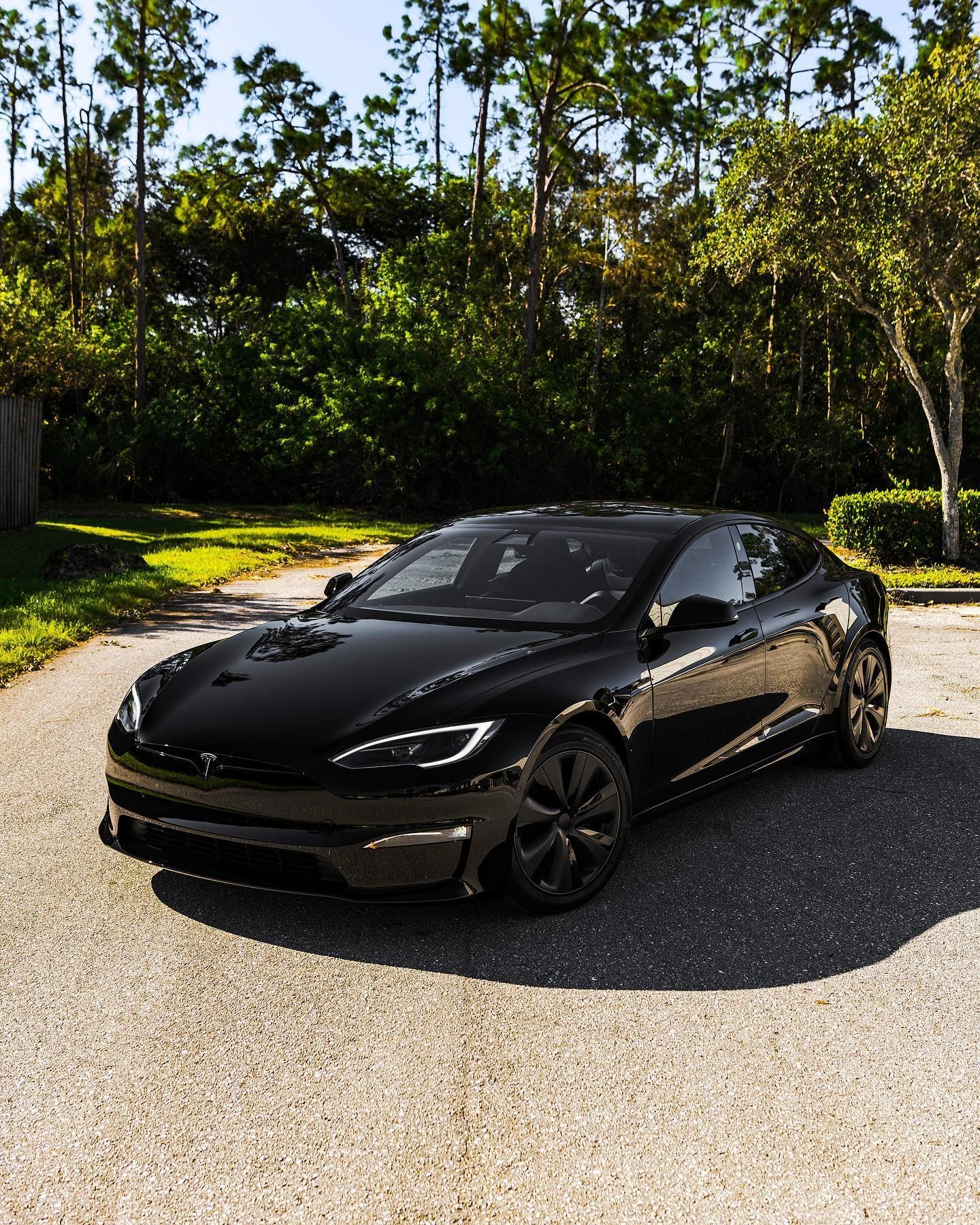
Why Matching VLT Percentages Can Look Different
Film Color and Tone
Window films can have different underlying color tones. Some appear neutral charcoal, while others may look slightly blue, gray, bronze, or green under certain lighting conditions.
Even when two films allow the same amount of visible light through, their color balance can change how dark, warm, or cool the glass appears. A neutral ceramic film may preserve exterior colors more naturally, while another film may create a more noticeable color cast.
The difference may be subtle indoors but more visible in direct sunlight or when two vehicles are parked side by side.
Reflectivity
Reflectivity describes how much visible light bounces off the window instead of passing through it. A more reflective film may appear darker, shinier, or more mirror-like from outside, even when its VLT matches a less reflective film.
A low-reflectivity film usually creates a more natural appearance that follows the original design of the vehicle. This is often preferred by owners who want added comfort and privacy without making the windows look highly reflective.
Reflectivity can also affect visibility from inside the vehicle, especially at night when interior lights or bright headlights may reflect against the glass.
Factory Glass
The color and darkness of the original glass can significantly influence the finished result. Some vehicles have clear glass with a mild factory tint, while many sport utility vehicles and trucks have darker privacy glass behind the front doors.
Privacy glass can reduce visible light, but it does not necessarily provide the same heat rejection as a professional ceramic window film. Installing ceramic film over privacy glass can improve heat management while also changing the final appearance.
Because factory glass varies between vehicle manufacturers and models, the same window film may not look identical on two different vehicles.
Lighting and Viewing Angle
Window tint changes appearance throughout the day. Bright sunlight can make the glass appear lighter or more reflective. Shade, cloudy weather, garages, and nighttime conditions may make the same tint appear darker.
The viewing angle also matters. A window may look lighter when viewed straight on and darker when viewed from the side. Reflections from the sky, nearby buildings, trees, and surrounding vehicles can further change the exterior appearance.
For a realistic comparison, view tint samples:
- In direct sunlight
- In shade
- From inside and outside the vehicle
- From several angles
- Against the vehicle’s interior color
A single showroom photograph may not accurately represent how the film will look in daily use.
Vehicle Interior
Interior color affects how dark the windows appear from outside. A vehicle with a black or dark-colored interior may make the tint look deeper because less light reflects from inside the cabin.
A vehicle with a light tan, cream, or white interior can make the same film appear lighter. Panoramic roofs, large windshields, and expansive glass areas may also allow more light into the cabin and influence the perceived darkness of the side windows.
These differences explain why identical film installed on two vehicles may produce noticeably different results.
Why Ceramic Tint Performance Goes Beyond Darkness
Window tint should not be selected only for its appearance. Two films with the same VLT may provide very different levels of heat rejection, UV protection, optical clarity, and long-term color stability.
Naples Auto Armour offers ceramic high heat rejection window films rather than entry-level dyed tint. Ceramic technology is designed to manage heat without requiring an excessively dark appearance. This allows drivers to improve cabin comfort while selecting a shade that suits their visibility and styling preferences.
For Southwest Florida drivers, heat rejection is especially important. Vehicles in Naples, Marco Island, and Fort Myers face strong sunlight and high temperatures for much of the year. A quality ceramic film can help reduce solar heat entering the cabin, support interior protection, and make the vehicle more comfortable during daily driving.
Ceramic film is also nonmetallic, which helps maintain compatibility with common vehicle electronics and communication signals.
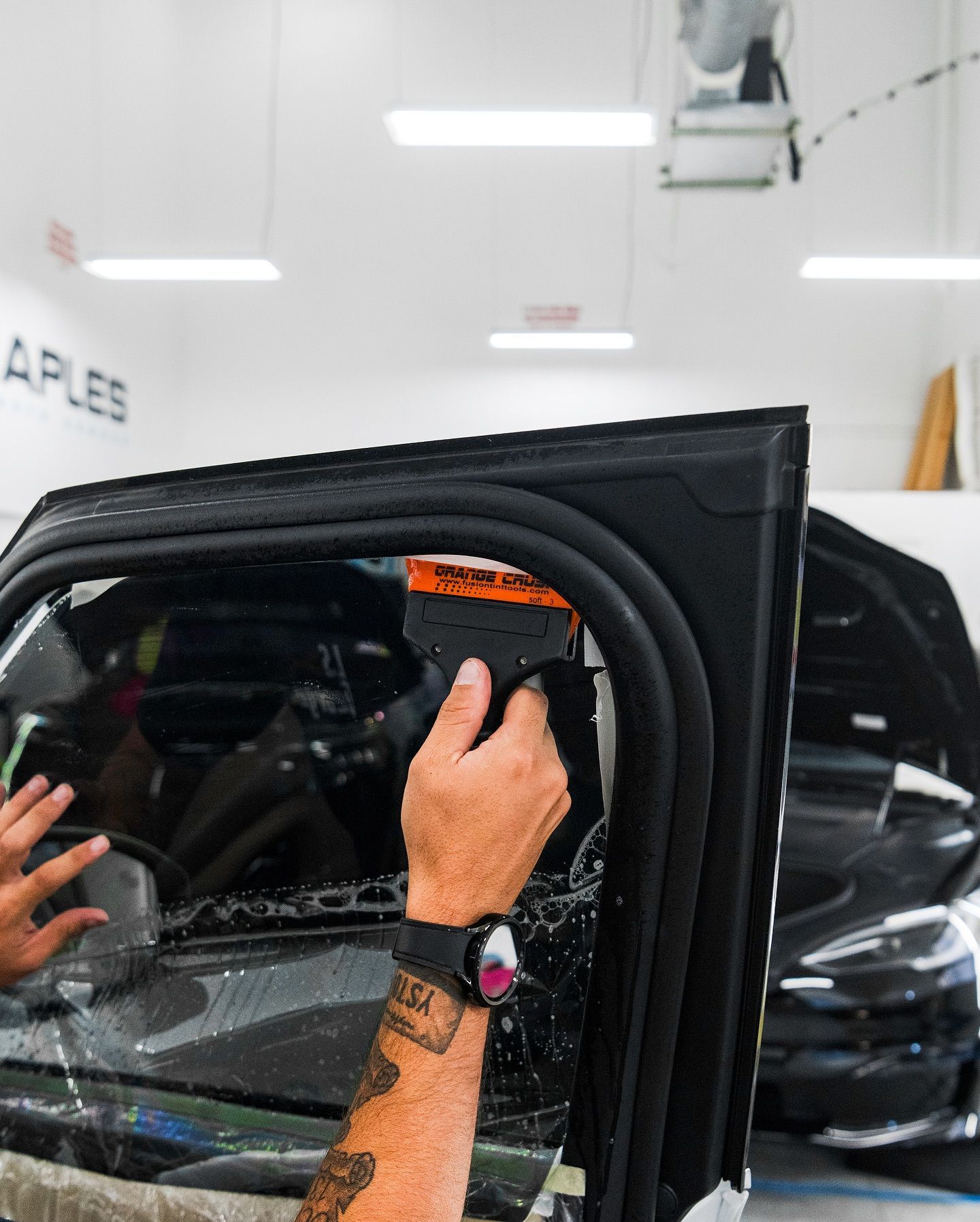
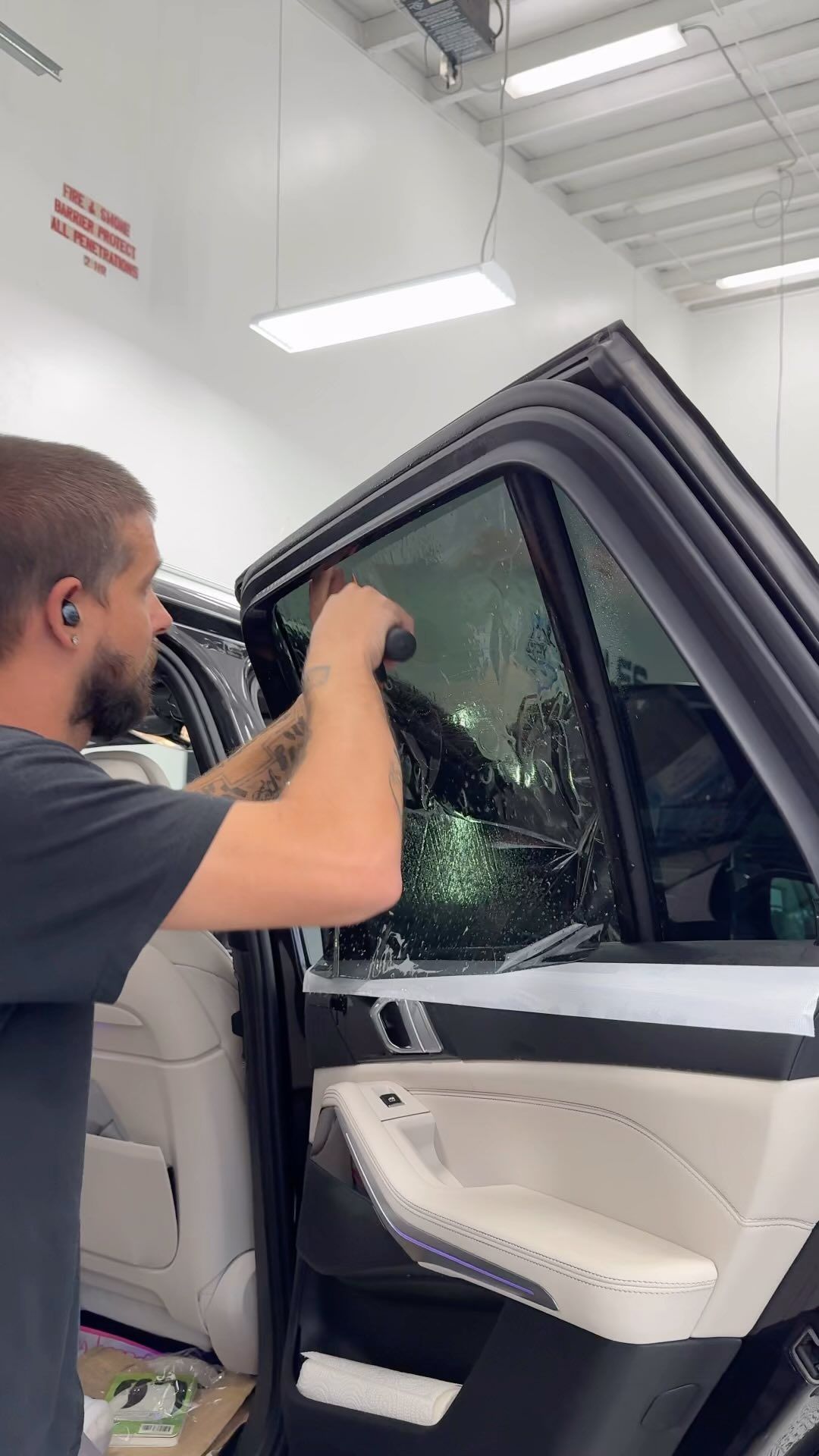
How Installation Affects the Final Appearance
Even a high-quality ceramic film can look poor when it is installed incorrectly. Dust, creases, trapped moisture, uneven edges, light gaps, and contamination can affect both appearance and visibility.
Professional installation begins with careful glass preparation. The installer must also cut, position, shrink, and apply the film accurately for the shape of each window.
Some temporary haze or small moisture pockets may be visible during the curing process. These should gradually improve as the remaining installation moisture evaporates. The curing time can vary based on weather, humidity, film type, and where the vehicle is stored.
Permanent bubbles, large debris particles, peeling edges, or visual distortion may indicate an installation issue rather than a normal curing condition.
Choosing the Right Window Tint for Your Vehicle
The right window tint depends on more than choosing a percentage from a chart. Consider:
- The appearance you want inside and outside the vehicle
- Your daytime and nighttime visibility preferences
- The color of the factory glass and interior
- The amount of privacy you prefer
- Heat exposure and where the vehicle is parked
- Local legal requirements
- Whether rear windows already have privacy glass
A professional consultation allows you to compare film samples and discuss how each option is likely to look on your specific vehicle.
The darkest option is not always the best option. A lighter ceramic film may deliver strong heat rejection while maintaining a more natural appearance and comfortable outward visibility.
Ceramic Window Tint From Naples Auto Armour
Naples Auto Armour helps vehicle owners choose ceramic window tint based on the vehicle, factory glass, driving conditions, and desired appearance. We focus on high heat rejection ceramic films and precise installation rather than low-quality or entry-level tint options.
Our team can explain how VLT, color tone, reflectivity, glass type, and interior color will affect the finished result. This personalized approach helps reduce surprises and ensures that the selected film supports both comfort and appearance.
Ready to compare ceramic window tint options for your vehicle? Call Naples Auto Armour at (239) 378-2336 or request a consultation for professional automotive window tinting in Naples, Florida.
Frequently Asked Questions
Why Do Two 35 Percent Tints Look Different?
They may have different color tones, reflectivity, film construction, or optical clarity. The vehicle’s factory glass and interior color can also affect the finished appearance.
Does Darker Window Tint Reject More Heat?
Not necessarily. Heat rejection depends on the film’s technology and construction, not only its darkness. A lighter ceramic film may reject more heat than a darker lower-quality film.
Does Factory Privacy Glass Reject Heat?
Privacy glass primarily darkens the appearance of the window. Its heat-rejection performance varies, so ceramic film may still be beneficial when installed over privacy glass.
Will Window Tint Look Different After It Cures?
It may. Temporary haze or moisture pockets can appear shortly after installation and usually improve as the film cures. The final appearance should become clearer and more uniform.
Naples Auto Armor Blog