Why Paint Protection Film Edges Fail First in Naples, FL
When you invest in paint protection film for your vehicle, you expect full coverage against rock chips, UV damage, and road debris. In Southwest Florida cities like Naples, Marco Island, and Fort Myers, those threats are constant. Intense sunlight, coastal humidity, sand, and road grime put continuous stress on your vehicle’s finish.
What many vehicle owners do not realize is that the edges of paint protection film are typically the first area to show wear. Understanding why this happens helps set realistic expectations and, more importantly, helps you choose an installer who prioritizes long-term durability.
In most cases, edge failure is not caused by the film brand alone. It is the result of material behavior, environmental exposure, and installation technique.
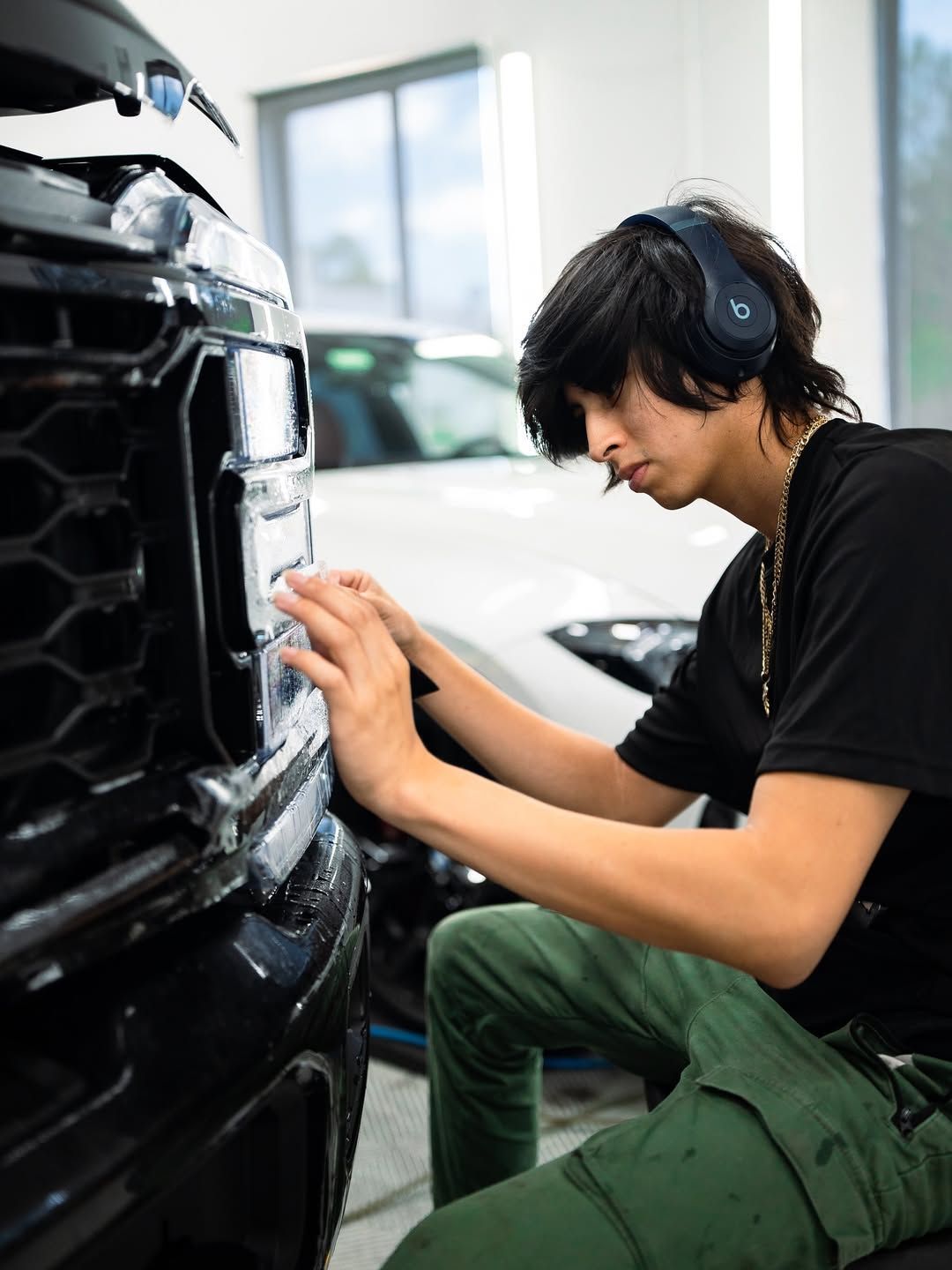
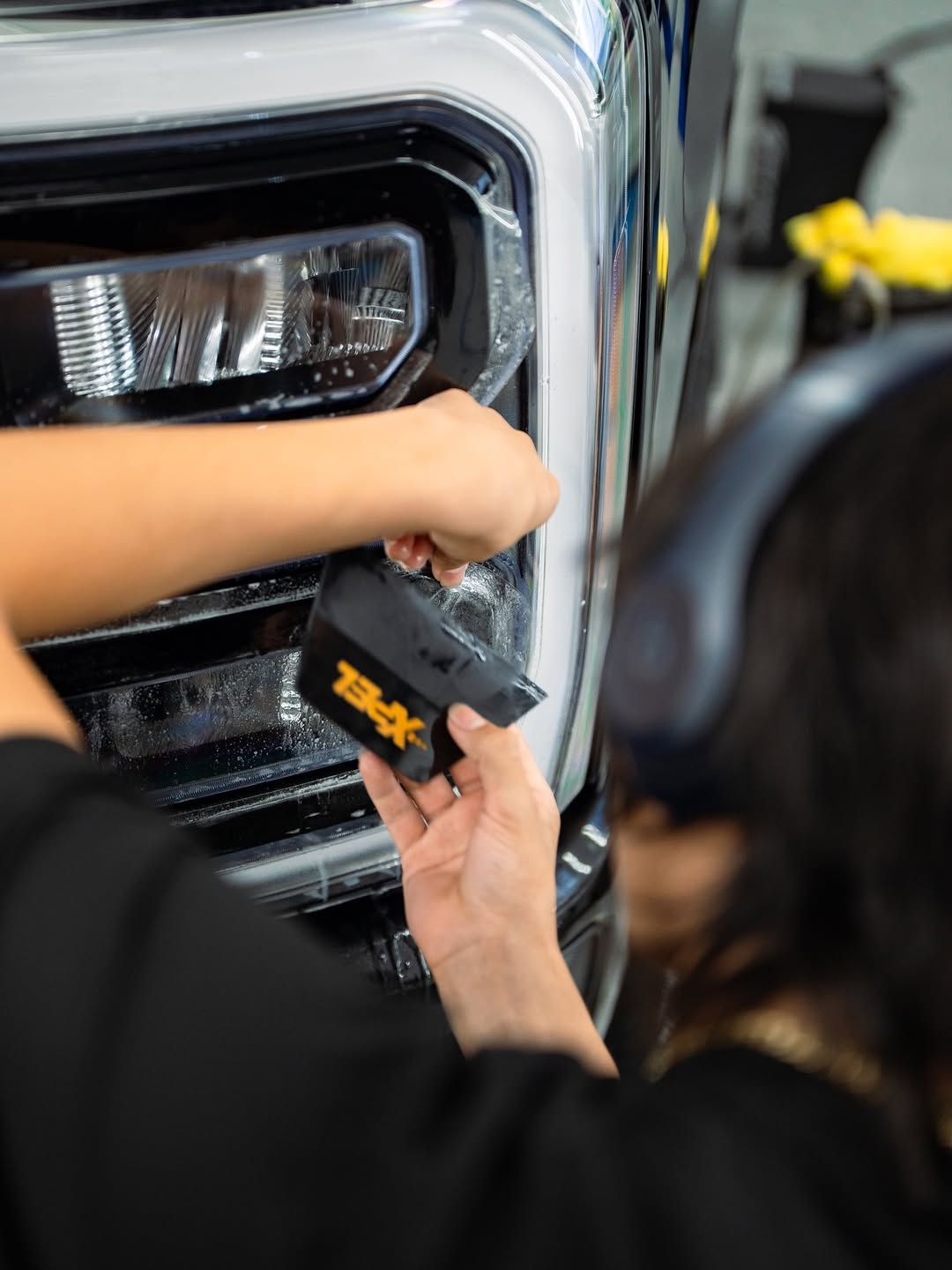
Why Paint Protection Film Edges Are More Vulnerable
The edges of paint protection film experience different conditions than the flat center sections. Several technical factors contribute to this increased vulnerability.
1. Reduced Thickness at the Border
During manufacturing and installation, film edges can become 20 to 30 percent thinner than the central areas. Stretching the material around curves and contours contributes to this reduction.
Thinner material provides less resistance to abrasion, cracking, and impact. Since edges are already exposed to air and debris flow, even slight thinning increases risk over time.
2. Weaker Adhesive Bond Near the Edge
Adhesive bond strength typically decreases within 1 to 2 millimeters of the film’s border. Studies show this drop can range between 15 and 25 percent compared to the center area.
This means the very section most exposed to lifting has less holding power from the start. In humid environments like Naples and Marco Island, moisture intrusion can accelerate adhesive breakdown.
3. Increased UV Exposure in Southwest Florida
Edges often receive more direct sunlight due to panel angles and curvature. In Florida’s climate, where vehicles are exposed to high UV levels year round, this can lead to faster polymer degradation.
Over time, concentrated UV exposure weakens flexibility and can contribute to micro-cracking along the perimeter.
4. Thermal Cycling in Florida Heat
Naples and Fort Myers regularly experience high daytime temperatures followed by cooler nights. These repeated expansion and contraction cycles create stress along film edges.
Edges typically experience greater temperature variation than protected central areas. Over hundreds of heat cycles, this movement can weaken adhesive integrity and promote edge lifting.
5. Mechanical Stress Concentration
Vehicle panels flex during normal driving. Speed bumps, potholes, and minor impacts create movement across body panels.
Edges experience higher stress concentration compared to flat surfaces. When combined with thinner material and slightly reduced adhesive strength, peeling often begins at these points.
6. Contaminant Accumulation Along Seams
Road debris, salt air from coastal environments, chemical residue, and moisture tend to collect along seams. Trapped moisture can accelerate adhesive degradation, especially in humid climates like Southwest Florida.
Without proper maintenance and sealing, edge contamination increases the likelihood of premature lifting.
How Installation Technique Prevents Edge Failure
While edge vulnerability is inherent to the material, professional installation dramatically reduces the risk.
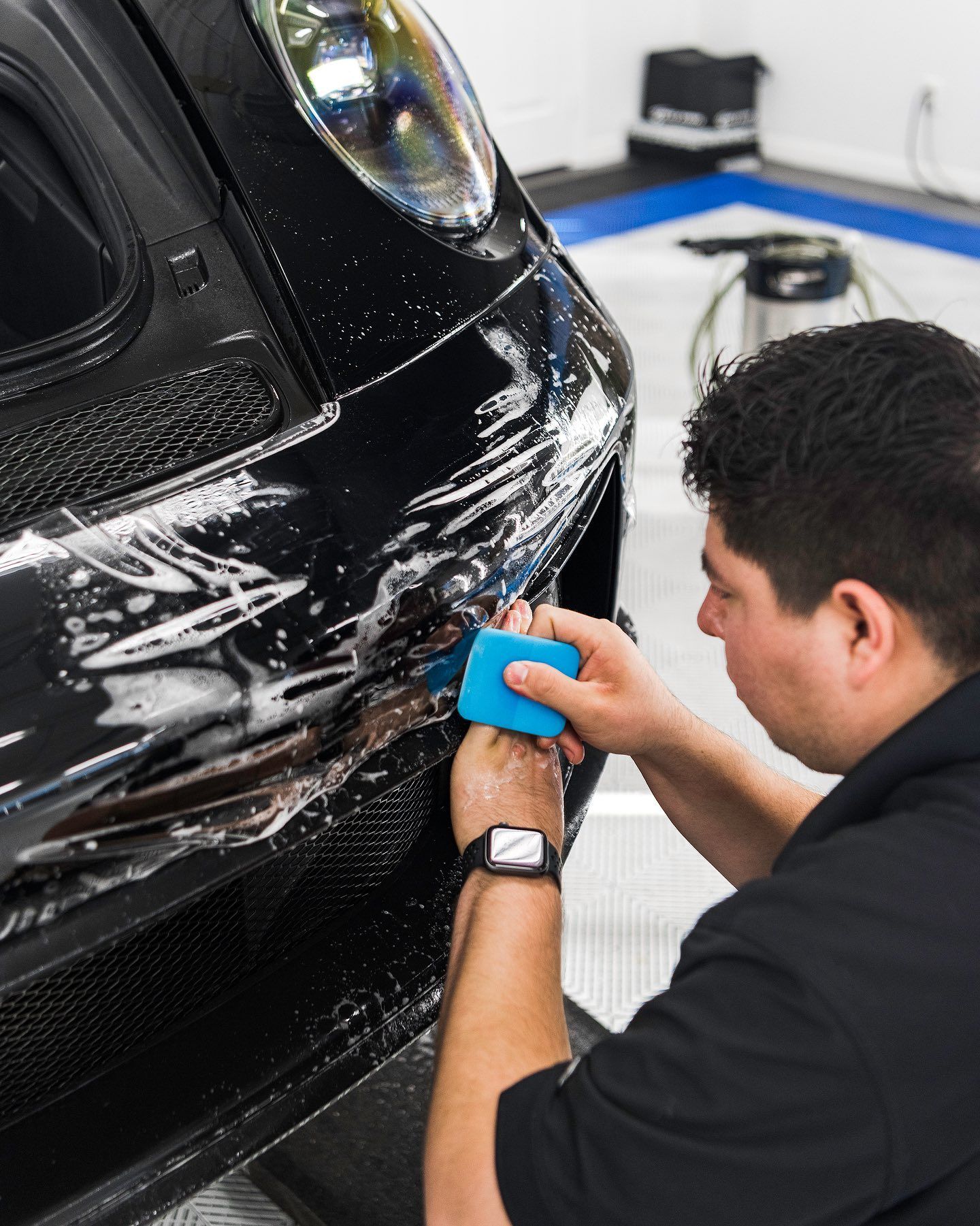
Many shops rely on pre-cut kits that stop short of panel edges. This approach is faster and reduces the risk of cutting near trim, but it leaves narrow strips of exposed paint. Those exposed borders become entry points for dirt, moisture, and UV damage.
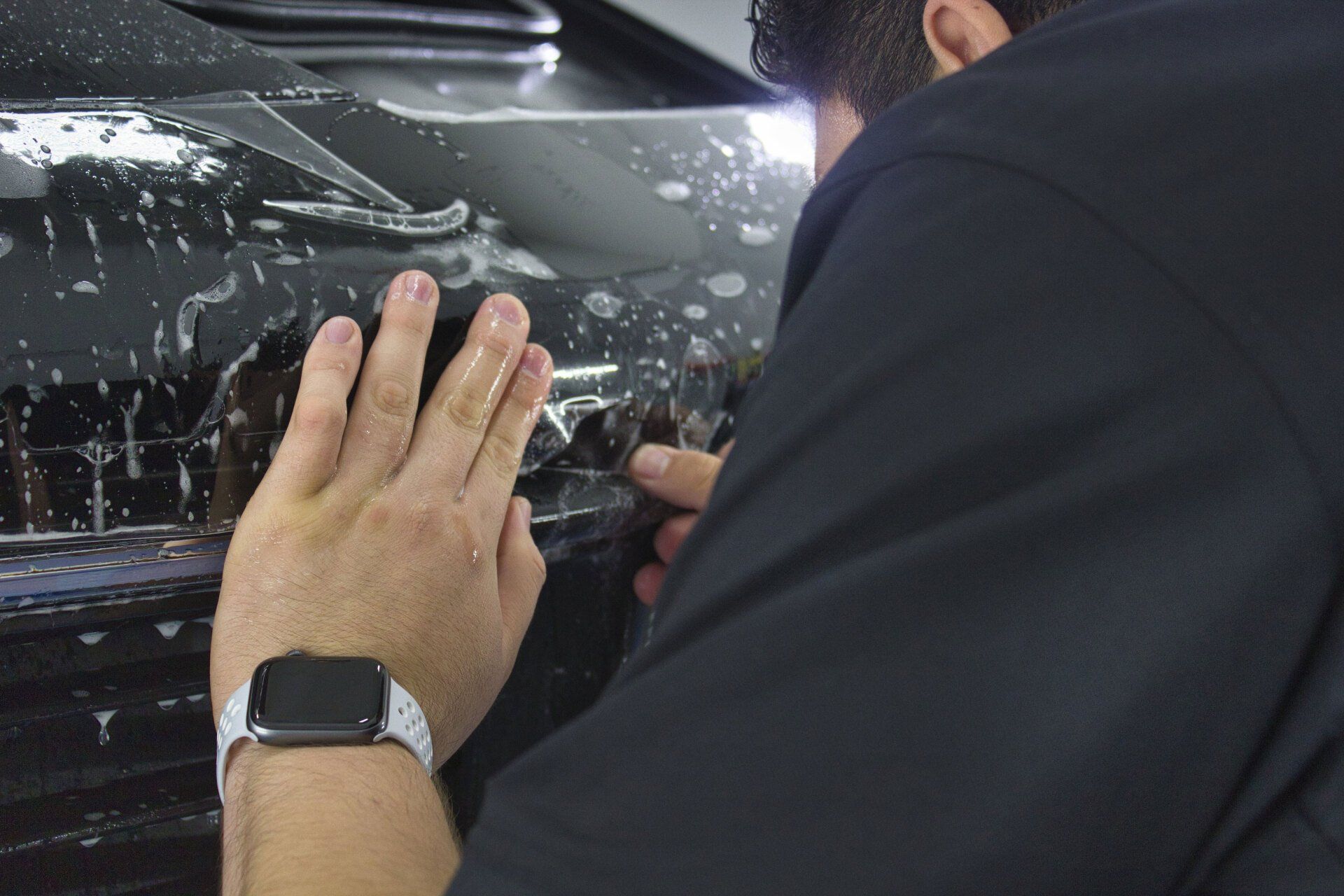
At Naples Auto Armour, the standard approach is full edge wrapping wherever the vehicle design allows. This means the film is wrapped around panel edges and secured underneath when possible. The result is a cleaner appearance and significantly improved edge durability.
Proper installation also requires:
- Precise alignment during application
- Thorough surface preparation using isopropyl alcohol
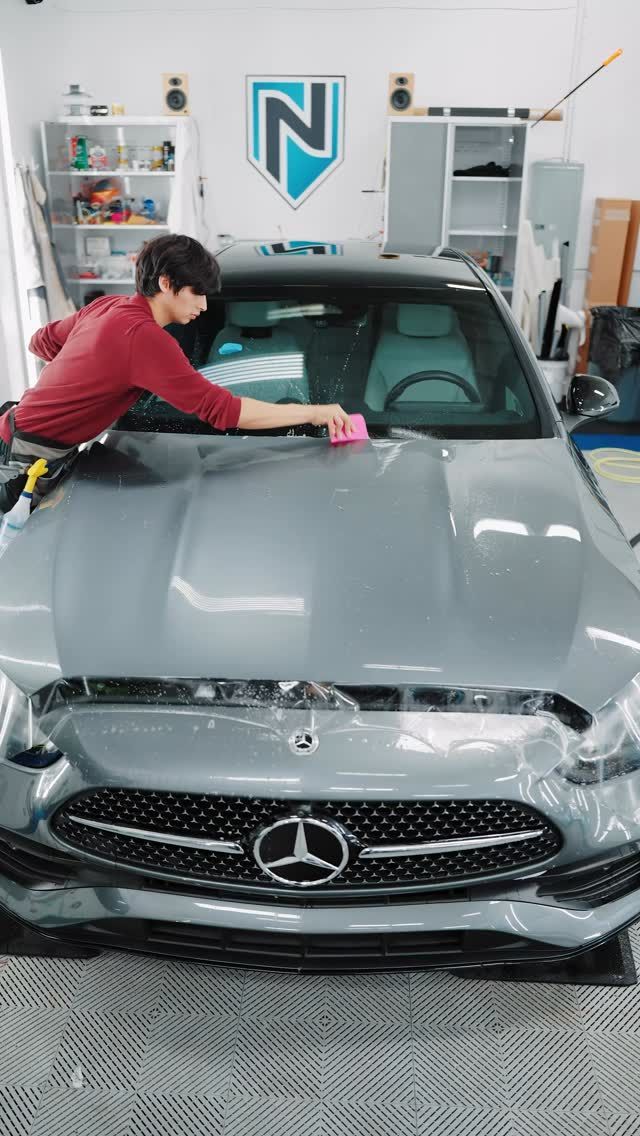
- Controlled squeegee technique to eliminate microscopic air pockets
- Strict adherence to curing time guidelines
Even minor misalignment or trapped air near seam lines can become the starting point for peeling under Florida heat.
After installation, the curing window of 24 to 48 hours is critical. Exposing the vehicle to heavy rain, car washes, or extreme conditions before the adhesive fully sets increases the risk of early edge lift.
Choosing the Right Paint Protection Film for Florida Conditions
Material quality plays a major role in edge longevity.
Premium thermoplastic polyurethane films offer superior flexibility and adhesive resilience compared to lower cost alternatives. High quality films are better equipped to handle temperature swings, UV exposure, and moisture.
When evaluating film quality, consider the following:
Adhesive Performance
Strong, stable adhesive is the primary defense against edge lifting. It must maintain consistent bond strength through heat, humidity, and UV exposure without becoming brittle.
Balanced Thickness
Films in the 8 to 10 mil range provide strong impact protection while remaining flexible enough to conform to contours. A film that is too rigid may resist wrapping and increase stress along edges.
Self-Healing Properties
Self-healing technology helps minimize visible surface scratches, especially near edges where abrasion is common. When light marks disappear under normal panel temperatures, the film maintains a clean appearance longer.
Hydrophobic and UV-Resistant Topcoats
Hydrophobic coatings help repel water and contaminants, reducing buildup along seams. Strong UV resistance prevents yellowing and helps preserve clarity under Florida sun exposure.
Manufacturer warranty terms can also indicate product durability. Long-term warranties supported by real-world testing in hot climates provide additional confidence.
Maintaining Your Paint Protection Film After Installation
Proper maintenance significantly extends edge life.
Follow these best practices:
- Wash with pH-neutral automotive soap
- Dry edges thoroughly with a clean microfiber towel
- Keep pressure washer nozzles at least two inches away from seam lines
- Avoid directing high-pressure water directly at film borders
- Consider periodic application of a silicone-based sealant along exposed seams
Limiting prolonged sun exposure when possible also slows cumulative UV wear. Covered parking and windshield sunshades can reduce overall heat load on the vehicle.
What This Means for Vehicle Owners in Naples and Fort Myers
Edge failure is one of the most common paint protection film concerns. However, it is largely preventable when the right materials and installation techniques are used.
In coastal environments like Naples and Marco Island, professional installation matters even more. Full edge wrapping, proper curing, and high-quality film selection make a measurable difference in long-term performance.
At Naples Auto Armour, every installation is designed with durability in mind. Our goal is to deliver protection that remains virtually invisible while standing up to the demands of Southwest Florida driving conditions.
If you are considering paint protection film installation in Naples, Marco Island, or Fort Myers, contact Naples Auto Armour at (239) 378-2336 or request a consultation online to discuss the best protection package for your vehicle.
Naples Auto Armor Blog