How PPF Thickness Affects Appearance, Flexibility, and Paint Protection
Paint protection film, commonly called PPF or clear bra, is designed to help shield automotive paint from rock chips, road debris, bug residue, and minor surface damage. One factor vehicle owners often compare is film thickness. While thickness matters, it should never be evaluated by itself.
A thicker film is not automatically the best choice for every vehicle, and a thinner film is not automatically less effective. Appearance, flexibility, film construction, coverage, installation quality, and the way the vehicle is driven all influence real-world performance.
For drivers in Naples, Marco Island, and Fort Myers, the right PPF should provide meaningful protection while preserving the original appearance of the vehicle. Naples Auto Armour focuses on precise installation, with edges wrapped or tucked where possible to create a clean, nearly invisible finish.
Key takeaway: PPF thickness affects impact resistance and flexibility, but film quality, proper coverage, surface preparation, and expert installation are equally important.
What Does PPF Thickness Mean?
PPF thickness is usually measured in mils. One mil equals one-thousandth of an inch. Many automotive paint protection films fall within a similar general thickness range, although the exact measurement varies by product and manufacturer.
The listed thickness may include several layers:
- A self-healing or protective top coat
- The main thermoplastic polyurethane film
- The adhesive layer
- A release liner that is removed during installation
Because manufacturers may describe or calculate total thickness differently, comparing two products only by the number on a specification sheet can be misleading. Vehicle owners should also consider clarity, elasticity, adhesive quality, stain resistance, warranty terms, and the installer’s experience with the selected film.
How PPF Thickness Affects Appearance
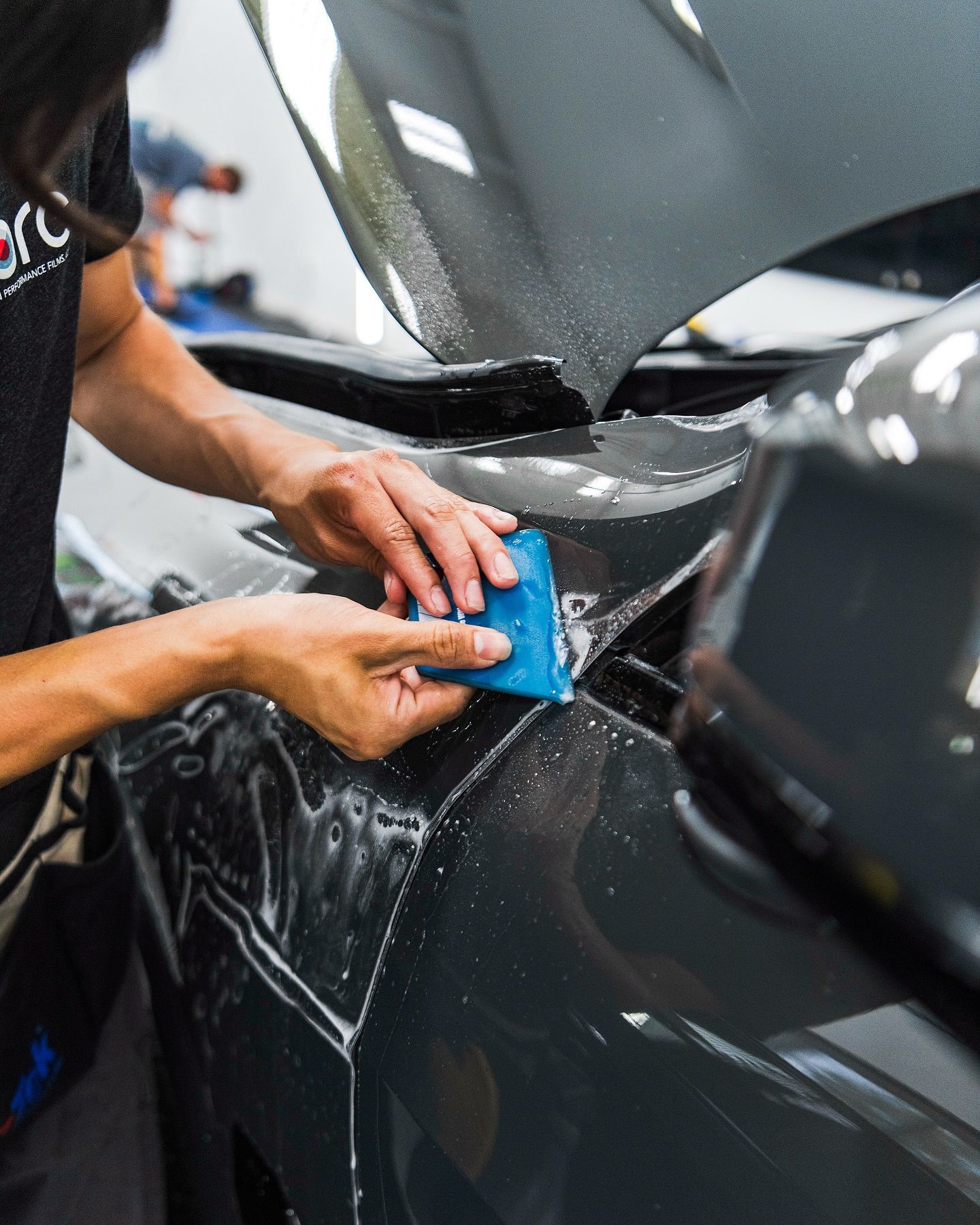
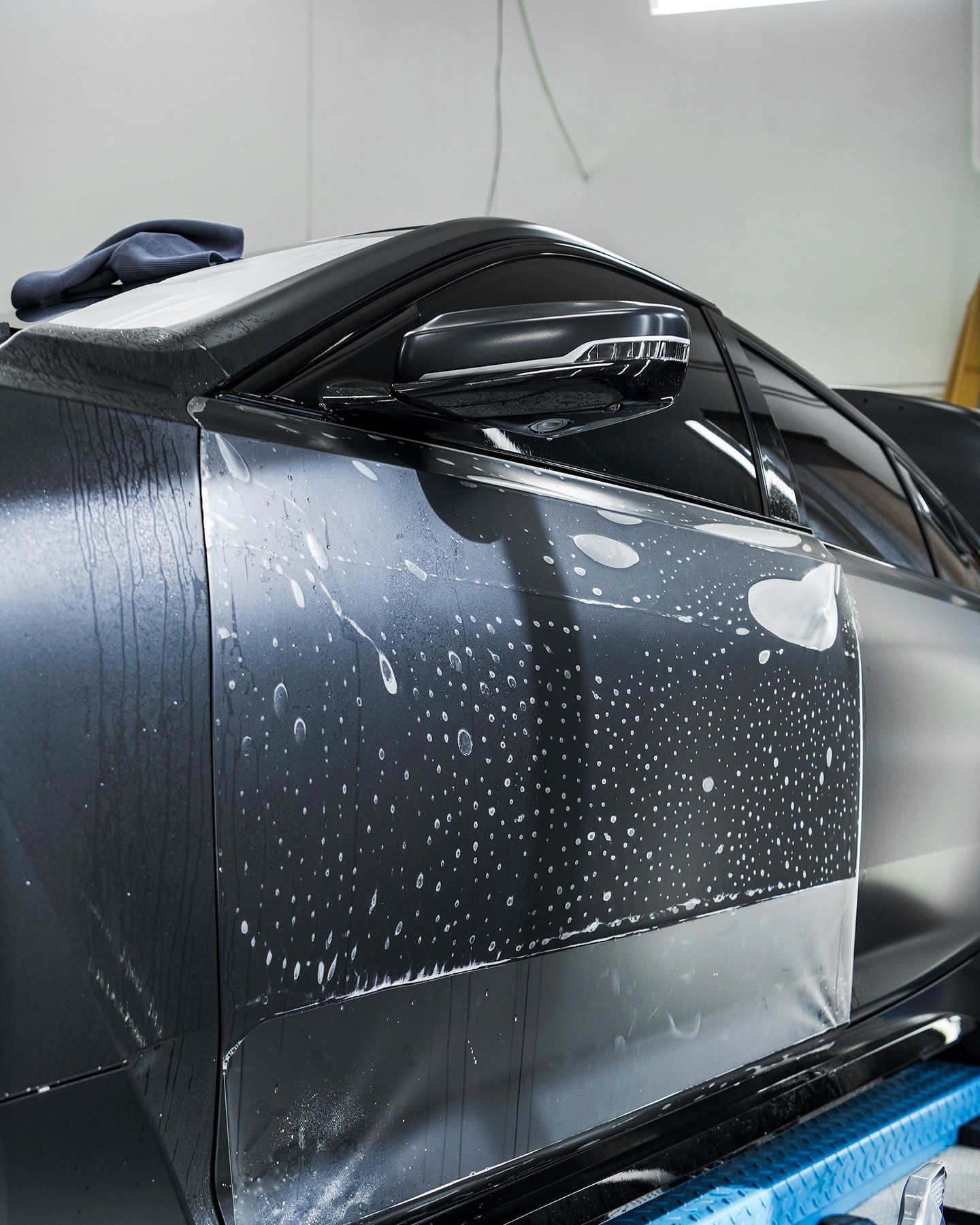
High-quality clear PPF should preserve the color, gloss, and character of the factory paint. Thickness can influence how visible the film feels or looks, especially around panel transitions, edges, badges, and complex body lines.
Thicker films may feel more substantial and can be slightly more noticeable when an edge must remain exposed. They may also require greater installation skill on sharply curved or recessed areas. Thinner or more flexible films may conform more easily to intricate shapes, but appearance still depends heavily on film quality and installation technique.
A clean installation should not rely on thickness alone. Accurate pattern placement, careful stretching, controlled tension, proper alignment, and edge finishing all contribute to the final result. At Naples Auto Armour, we wrap and tuck edges where practical so the film follows the vehicle’s design without drawing attention to itself.
How Thickness Affects Flexibility and Installation
As a general rule, increasing material thickness can reduce flexibility. However, modern PPF formulations vary, so two films with similar thickness measurements may behave differently during installation.
Flexible film is especially important on:
- Bumpers with deep openings
- Side mirrors
- Sculpted fenders
- Curved hood edges
- Rocker panels and lower body sections
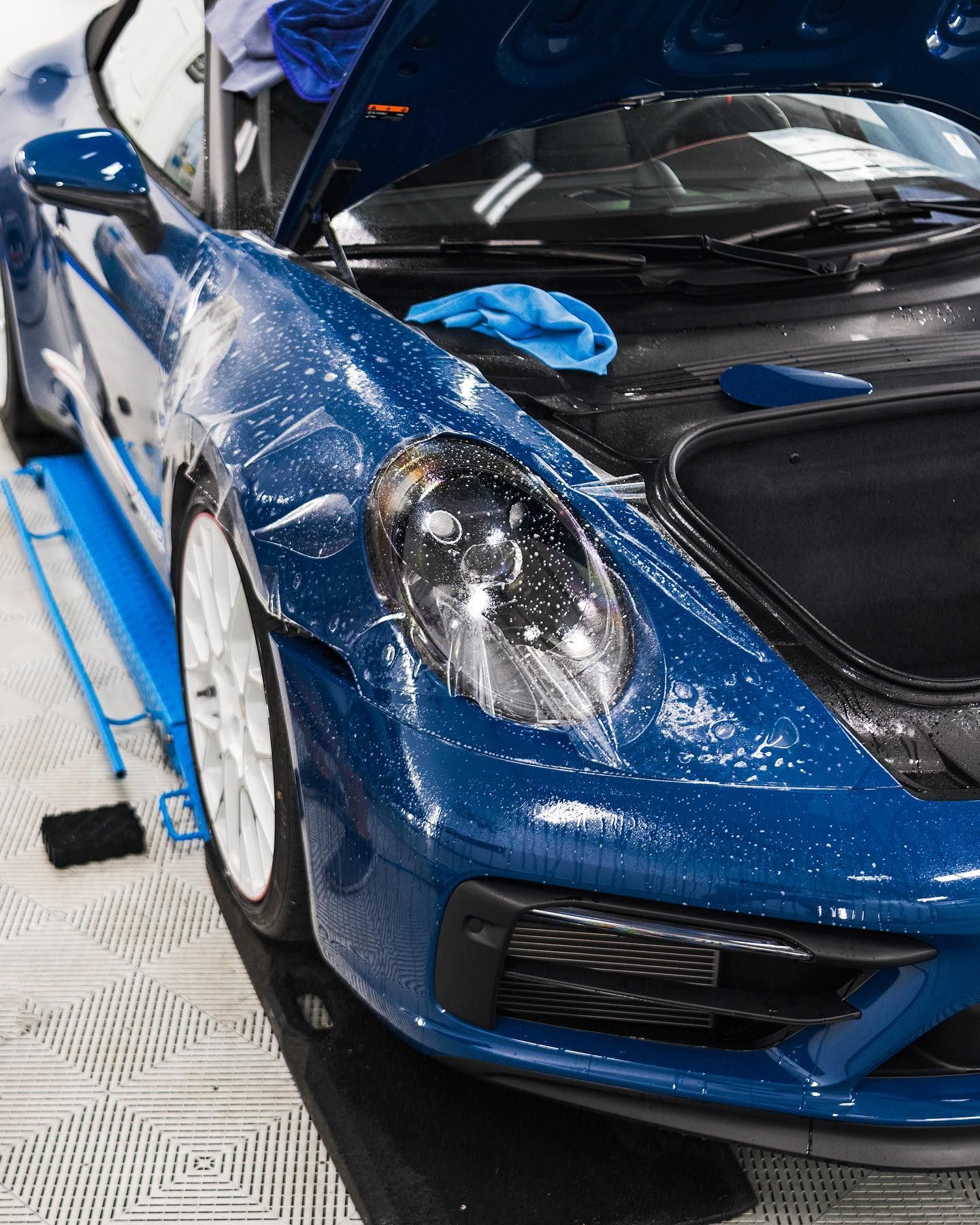
A film that does not conform properly may develop tension around curves or edges. Poor technique can contribute to lifting, visible stretch marks, trapped moisture, or an uneven finish. For this reason, the installer must understand how the selected material responds to heat, tension, and complex shapes.
The goal is not to force the thickest available film onto every panel. The goal is to select a professional-grade film and install it in a way that balances protection, clarity, and long-term adhesion.
How PPF Thickness Affects Protection
Thickness can contribute to the film’s ability to absorb and disperse energy from road debris. A more substantial film may offer added resistance in areas regularly exposed to gravel, sand, and highway debris.
However, PPF is not damage-proof. No film can guarantee protection against every impact, deep scratch, collision, or sharp object. Paint protection film is intended to reduce the likelihood and severity of common paint damage, not make the vehicle indestructible.
Coverage also matters as much as material thickness. A premium film cannot protect an area where it has not been installed. Drivers who spend significant time on highways may benefit from coverage that includes the full front bumper, full hood, full fenders, mirror caps, and other impact-prone areas. Owners seeking broader protection may choose full-body PPF.
Why Film Construction Matters
PPF is a layered system, and each layer contributes to performance.
The top coat supports gloss, stain resistance, and easier cleaning. Many modern films also have self-healing properties that allow light surface marks in the film to become less visible with warmth. Self-healing does not repair deep cuts, punctures, or damage that reaches the paint.
The polyurethane layer provides flexibility and impact absorption. The adhesive helps the film remain securely attached while allowing professional removal when replacement is eventually needed.
These components explain why thickness alone is not a reliable measure of quality. A poorly engineered thick film may not provide the clarity, conformability, or long-term appearance of a better-designed product.
Choosing the Right PPF for Your Vehicle
The best PPF choice depends on how the vehicle will be used, stored, and maintained. Before selecting coverage, consider:
- Highway mileage and daily driving conditions
- Seasonal travel between Florida and northern states
- Exposure to sand, insects, construction debris, and coastal conditions
- Whether the vehicle is a daily driver, luxury vehicle, sports car, or collector car
- The owner’s expectations for edge visibility and overall finish
- Plans for ceramic coating or other complementary protection
Southwest Florida vehicles face strong sunlight, frequent rain, insect residue, coastal air, and year-round driving conditions. Seasonal residents may also want protection before a long trip south or before storing a vehicle.
A consultation should focus on the owner’s priorities rather than simply recommending the thickest or most expensive option. The right solution may be a full-front package, expanded high-impact coverage, or complete-body protection.
PPF Installation From Naples Auto Armour
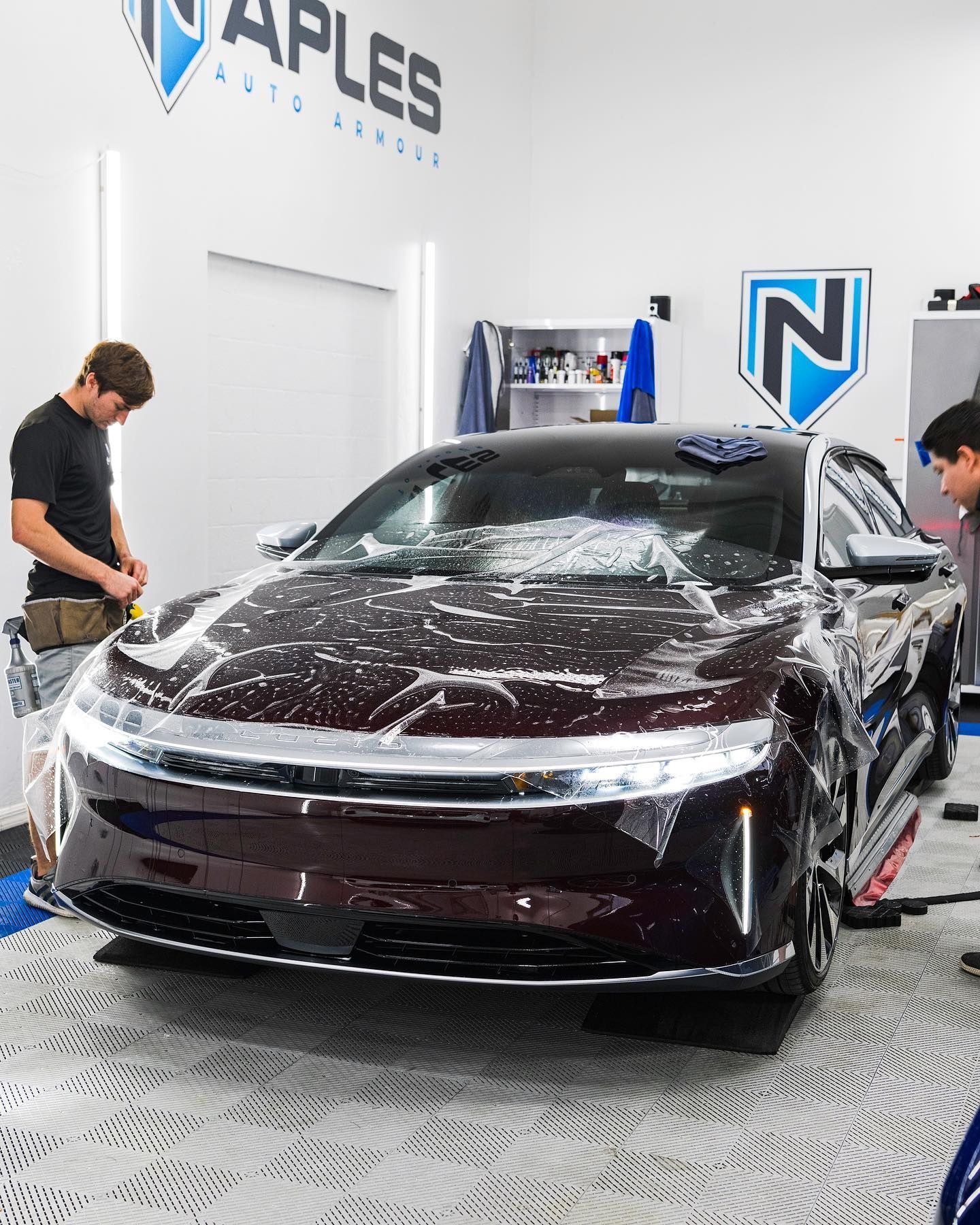
Naples Auto Armour helps vehicle owners protect and enjoy their automotive investments through careful surface preparation and precise PPF installation. We consider the vehicle’s design, driving habits, storage conditions, and desired level of coverage before recommending a solution.
Our seamless installation approach includes wrapping and tucking edges where possible to make the film less visible. This attention to detail is especially important for discerning owners who want protection without compromising the original appearance of their vehicle.
Ready to compare PPF coverage options for your vehicle? Call Naples Auto Armour at (239) 378-2336 or request a consultation for professional paint protection film installation in Naples, Florida.
Frequently Asked Questions
Is Thicker PPF Always Better?
No. Thickness is only one factor. Film construction, clarity, flexibility, adhesive performance, coverage, and installation quality also affect the result.
Does Thicker PPF Look More Noticeable?
It can be more noticeable around exposed edges or complex contours, but a professional installation can significantly reduce visible transitions.
Can PPF Prevent Every Rock Chip or Scratch?
No. PPF helps reduce damage from common road hazards, but it cannot prevent every chip, deep scratch, puncture, or impact.
Can Ceramic Coating Be Applied Over PPF?
Yes. A compatible ceramic coating can be applied over PPF to support gloss, easier cleaning, and resistance to environmental contamination. It does not replace the impact protection provided by the film.
Naples Auto Armor Blog